Strong materials matter – so does precise sizing. Seals must hold up, because leaks weaken the whole setup. Lasting power ties back to smart construction choices every time.
Starting off different, investment casting stands out in modern metal production. Though plenty of techniques exist, this one grows more common by the year. Because it handles detailed shapes so well, factories often choose it over alternatives. With less need for extra cutting or shaping afterward, time gets saved across projects. What results is a part that matches exact designs without fuss.
What happens first in investment casting might surprise you – knowing this helps explain its role in making precise metal parts.
A way to shape metal parts very precisely – investment casting delivers clean surfaces and tight measurements. Known sometimes as lost wax method, since the molds free themselves by melting out wax models inside.
A small copy made of wax kicks things off. Around it, layers of ceramic wrap tightly, building up a firm outer case slowly.
After the ceramic casing sets, out comes the wax – making space within. Into that gap flows liquid metal, taking shape of the part meant to be.
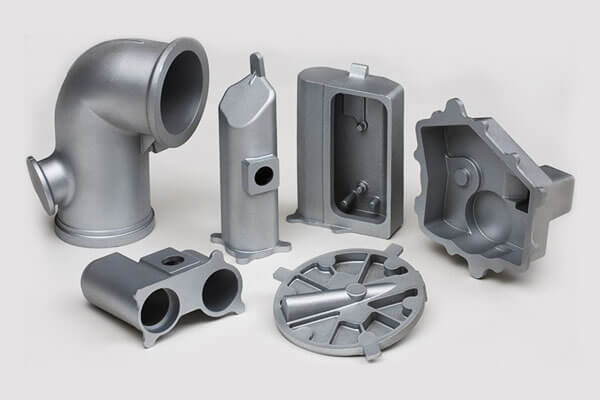
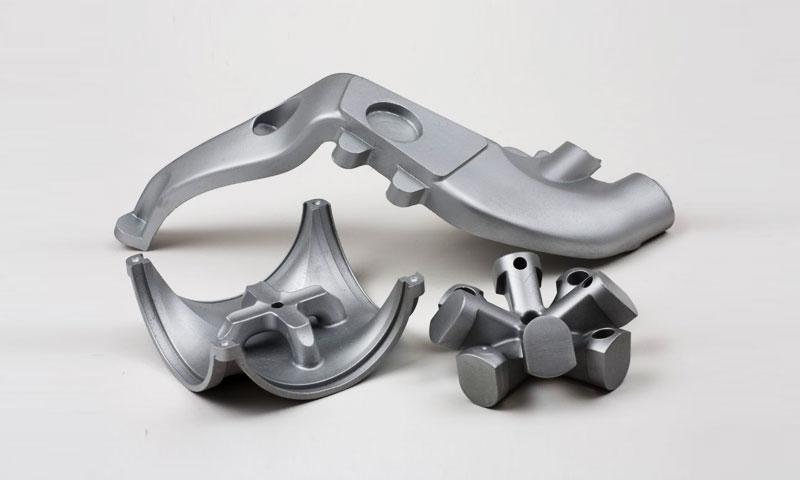
From jet engines to surgical tools, investment casting shows up where precision matters most. Though tough shapes come together smoothly, factories keep returning to this method across fields like car making or digging minerals out of rock.
End caps show up early in the process when making hydraulic cylinders through investment casting. Alongside them come mounting brackets shaped by the same method. Valve housings follow a similar path during production. Clevises appear later but rely on identical techniques.
Starting off differently, investment casting holds edges closer than regular sand methods while delivering smoother surfaces. Instead of cutting shapes out of solid blocks, it saves raw stuff when parts get tricky in design, also bringing down what you pay to make them.
One big plus? It gives more freedom when designing. Instead of several parts joined by welds, engineers fit many functions into a single piece that’s molded together, which cuts down on extra steps later.
One way to see why investment casting helps make hydraulic cylinders lies in walking through each part of how they are built.
From start to finish, how each step unfolds shapes how well the hydraulic part performs, holds its size, plus resists stress. Precision slips if any single piece falters.
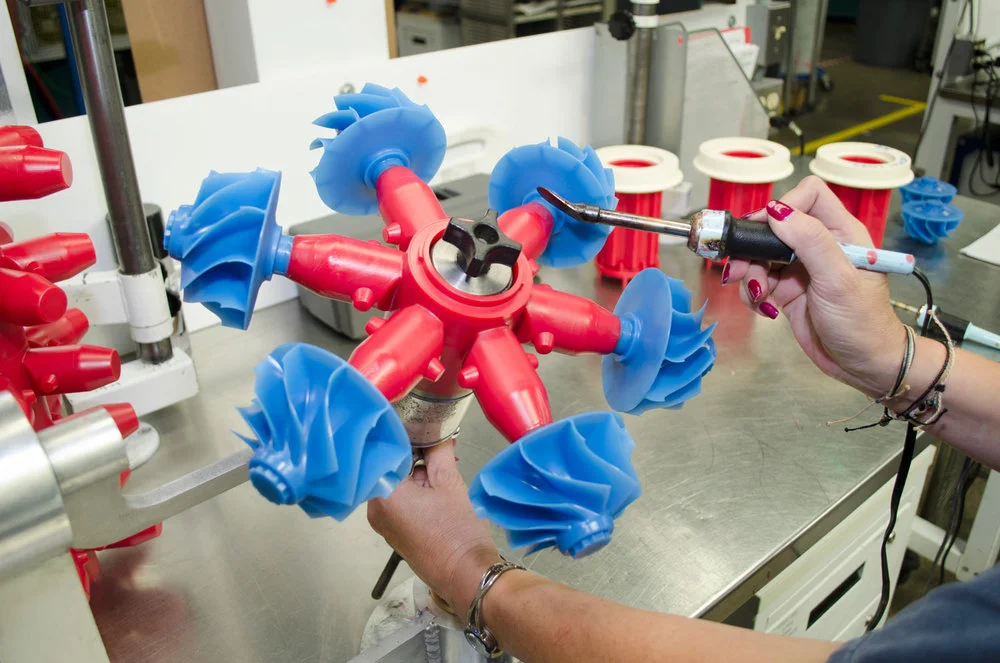
Out of stillness, a wax replica takes shape – identical to the finished hydraulic part. Inside a steel mold, molten wax flows when pressure pushes it through carefully managed settings.
What matters most is how precise the wax model turns out – each tiny feature shows up just like that in the finished cast.
One by one, each wax shape takes form before linking to a main stem made of wax – this setup is known as a tree. Grouped into clusters, the shapes prepare for mass processing.
Built this way, it gets parts made faster while spending less on making them.
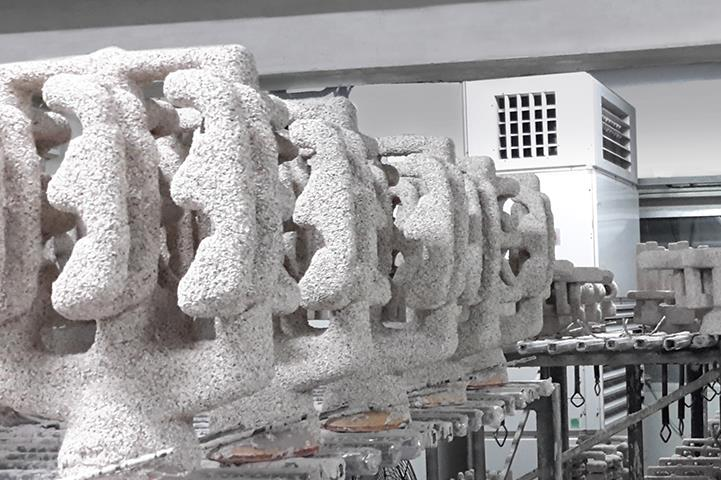
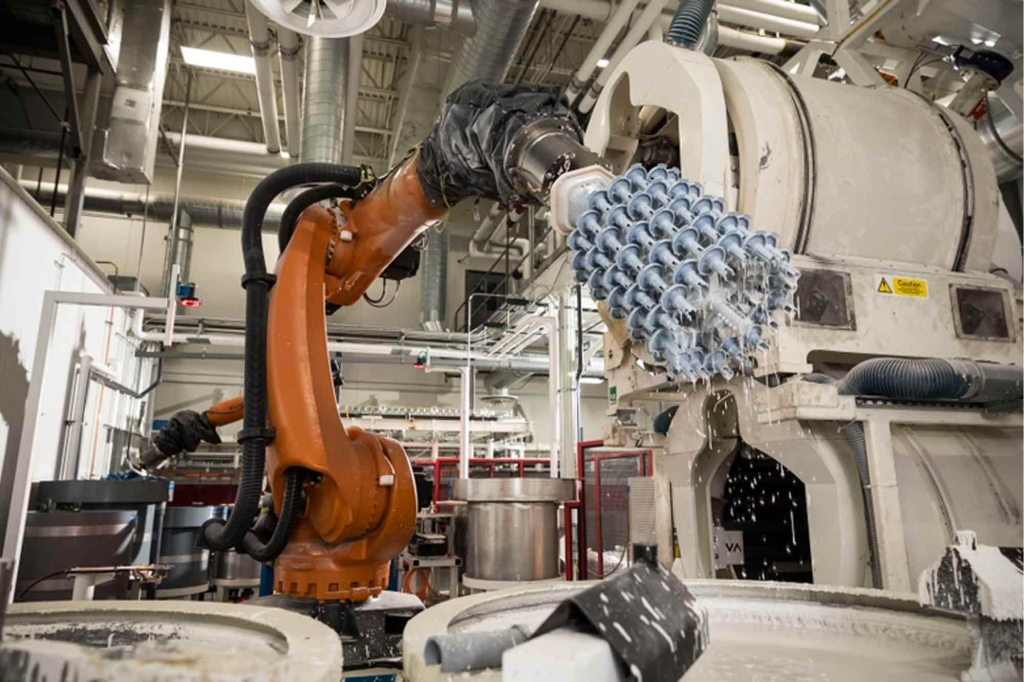
After one dip in the ceramic mix, tiny grains of sand stick to the surface. Layer by layer, it thickens as each coat dries fully on its own.
A single layer of ceramic won’t hold up under liquid metal heat – more need stacking until the coating resists extreme warmth.
Once the outer layer dries fully, heat melts out the inner wax through pressurized vapor or intense ovens.
Out comes the liquid wax, forming an empty space shaped just like the part it surrounded.
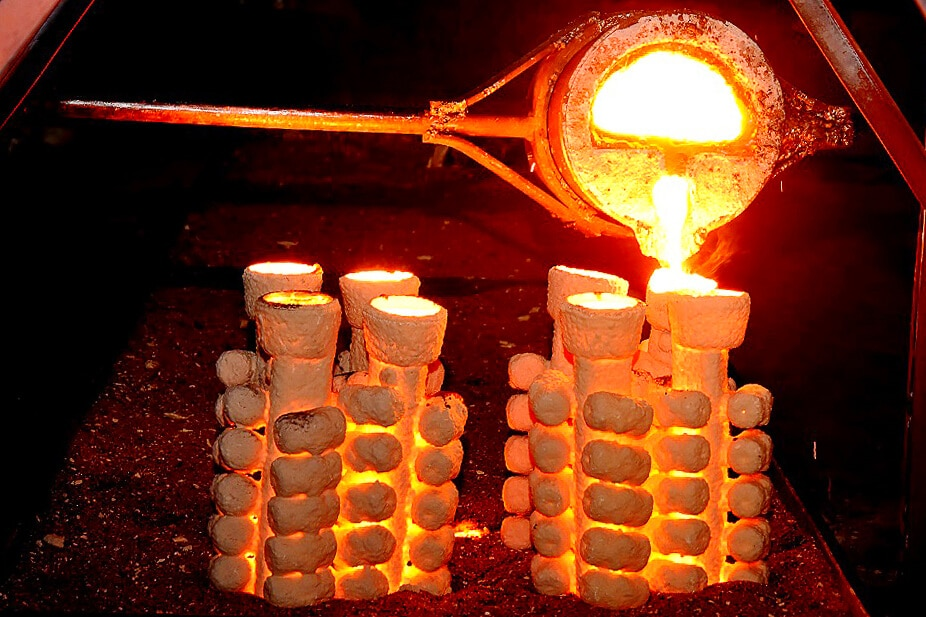
Into the warm ceramic mold flows the melted metal. Heat applied ahead of time makes the pour go smoother while also protecting the mold from sudden temperature shifts.
For pieces that have narrow sections or fine details, paying close attention here really matters.
Into the warm ceramic shell flows molten metal. Common choices are carbon steel, stainless steel, and alloy steels.
Pouring hot metal into the mold captures fine shapes exactly.
Once poured, the metal begins to harden within the ceramic mold. How it cools matters – too fast or uneven, and cracks may form.
When things set just right, hydraulic parts handle stress better.
After the metal has cooled fully, workers remove the ceramic casing either by hand or with chemical baths.
Once cooled, the piece breaks away from its metal channels. From there it moves on, ready for surface treatment.
Smoothing things out often means grinding them down a bit. Machines might shape parts next. Heat can change how strong they become. Checking every detail comes last.
Even when parts are cast precisely, a few key areas might need extra shaping later.
Manufacturers of hydraulic cylinders often pick investment casting because it fits their needs well. This method works better than older ways both technically and economically.
What really matters shows up clearly during production of intricate hydraulic parts demanding both durability and precise measurements.
Starting off precise, investment casting delivers components that match exact measurements. Because they’re so accurate, there’s less need for cutting or shaping later on.
Fewer steps in making cuts expenses while speeding up how fast items are built.
Sliding parts move easier when they’re polished well – this cuts down resistance while keeping fluid from escaping.
Smooth results come easily with investment casting, so less cleanup is needed afterward.
Inside hydraulic cylinders, parts usually have tricky shapes like channels for oil, spots to attach things, cuts along surfaces, also rims that stick out.
Patterns shaped during investment casting form details right into the piece, so fewer parts need joining later through welds.
Investment casting supports many engineering metals used in hydraulic systems.
From high-pressure needs to tough environments, material choice hinges on how well it resists rust and handles friction.
Out of a single block, shaping parts leaves behind heaps of leftover metal.
Parts come out close to final form through investment casting, so they need minimal cutting work afterward while using materials more efficiently.
When managed well, investment casting builds solid metal parts that hold up under stress.
Heat treated a second time, parts become tougher, last longer under stress, hold up better overall.
Investment casting allows multiple functions to be integrated into one component.
Fewer welded components mean less chance for failure, also cutting down on assembly time.
After the molds are ready, each new piece comes out nearly identical.
For makers of hydraulic cylinders churning out big batches, staying steady matters a whole lot.
Even so, making parts by investment casting comes with benefits – yet hurdles still show up along the way.
When control over the process slips, flaws might show up – these could weaken parts meant for hydraulics. Performance when sealing may drop off, just like how long they last.
Bubbles stuck in hot metal turn into tiny holes once it hardens.
Inside, tiny empty spaces form where material should be, making parts less strong.
When metal loses heat, it gets smaller. Poorly shaped channels can trap voids within the solidifying piece.
Cracks from shrinking weaken how well something holds together under stress.
Cooling too fast might split the cast from inside heat pressure.
Fissures pose risks inside fluid-driven setups since pressure can stretch them over time.
When the liquid metal does not fully reach every part of the mold, a misrun occurs.
When the material is poured too cold, flaws often show up in narrow areas.
Pieces of ceramic, leftover slag, or unwanted bits can stick to the outside of the cast.
Cracks on the outside might weaken how well it seals, bringing down the part’s standard.
Wax distortion or shell deformation can cause dimensional inaccuracies.
A tiny mistake in size can still cause parts not to fit together right when building hydraulic cylinders.
Cooling that isn’t uniform can twist the form of the cast piece.
Warped shapes can ruin performance because parts inside hydraulic cylinders must line up just right.
When streams of molten metal meet but don’t bond fully, cold shuts happen.
Pockets of thin material form during solidification, lowering tolerance to stress.
High-pressure demands mean every step of investment casting must follow tight checks. When hydraulic cylinders are involved, oversight cannot slip even once.
From start to finish, getting parts right means watching every material choice closely. Heat levels need steady attention throughout production.
Several key practices help improve casting quality and reduce production defects.
Faulty metals slow down how well hydraulic parts work.
Because they meet strict standards, raw materials boost toughness while holding up against rust over time.
Starting off right, well-designed gates guide liquid metal smoothly into molds while limiting voids.
These days, plenty of casting shops run digital tests to fine-tune molds long before making parts.
Keeping heat steady matters a lot when injecting wax, drying shells, warming molds, also during pouring metal.
Keeping temps on point makes castings more uniform while cutting down flaws.
Inside flaws in hydraulic cylinder parts usually need spotting without damage.
Checking materials often uses sound waves to find hidden flaws. X-rays peek inside objects without breaking them apart.
Checking the casting against specs happens with exact tools.
When it comes to intricate hydraulic cylinder components, coordinate measuring machines often step in.
Getting hotter then cooler makes metal harder, stronger when bent, less likely to crack over time.
Some metals need unique heating methods so they work better.
Fresh batches roll out under watchful tech eyes in today’s casting hubs.
When things start going off track, statistical process control spots it fast – keeping results steady.
Experienced technicians play a major role in maintaining casting quality.
When something runs off track, experienced hands spot it fast – fixing issues long before they turn bad.
Picking a good foundry matters just as much as choosing casting itself.
When a supplier delivers what they promise, quality stays steady. Because of that, shipments arrive on time.
Before choosing a supplier, hydraulic cylinder manufacturers should evaluate several important factors.
When suppliers know the hydraulic field, they grasp how materials hold up under stress.
Fewer mistakes happen when workers understand their field well.
Some foundries handle big castings. Others stick to small ones. Material choices differ from one shop to another.
It depends on the buyer to check if the supplier lines up with what they need technically and in manufacturing.
Some trusted foundries holding ISO 9001 certs tend to deliver consistent quality.
Meeting these standards shows the supplier sticks to set ways of handling quality.
Built-in help from engineers often makes cast parts easier to produce.
A supplier who knows their stuff might guide your choice of materials, while also helping dodge flaws before they happen.
Advanced inspection equipment improves quality assurance capabilities.
It’s up to buyers to check if the supplier handles size checks along with non-invasive tests.
The lowest casting price does not always provide the best overall value.
One way to look at it: weigh how much tools cost against what machines will run them.
Predictable delivery windows matter most to makers of fluid power systems.
A steady flow begins long before orders ship – it starts with clear tracking and smart scheduling.
Checking a first version lets buyers see how good the metal part will be before making lots.
Putting real hydraulic parts through tests cuts down on supply worries while boosting trust in buying choices.
From start to finish, investment casting stands out when making precise parts for hydraulic cylinders. Its ability to hold tight measurements comes through clearly in every piece. Smooth outer layers appear naturally, needing less work after forming. Strength under stress shows up well across tests.
For parts that need to handle fluid power, odd shapes often make this method a strong fit. Tough jobs push it further, where details matter just as much as durability.
Still, hitting top marks in casting quality means keeping tight reins on each step. Skilled eyes must check every piece along the way.
يمكن أن تنزلق الجيوب أو الشقوق أو الأخطاء الطفيفة في الحجم إذا لم تتم مراقبتها عن كثب - تحتاج الأجزاء الهيدروليكية إلى نتائج ثابتة.
عندما تحتاج الشركات إلى قطع متينة ودقيقة للأسطوانات الهيدروليكية دون الإفراط في الإنفاق، قد يكون اختيار الصب الاستثماري مناسبًا - خاصةً مع وجود شريك موثوق يشرف على معايير صارمة.
آخر المنشورات


تطبيقات صب الزجاج المائي في صناعة السيارات

تطبيق تكنولوجيا الصب في صناعة السيارات
إشعار عطلة - عيد العمال (عيد العمال)

شركة نينغبو فوشون للمسبوكات الدقيقة المحدودة هي واحدة من أفضل الشركات المصنعة لصب الاستثمار في العالم.