
Table of Contents
Shrinkage in metal casting sneaks up slowly, wrecking part accuracy without warning. You’re probably here because finished pieces don’t match specs anymore. Maybe customer returns have climbed lately. Flaws appear more often now than before. Profit shrinks when good material ends up in the bin. Inconsistencies pile up, piece by piece.
Picture walking through a store where things vanish slowly, not by theft alone but by small gaps piling up. That slow loss – shrinkage – is more than numbers on paper; it hits daily work hard. Instead of assumptions, clear steps reveal its roots. Solutions come into view when patterns show themselves plainly. Real results start there.
1. What Is Metal Casting Shrinkage?
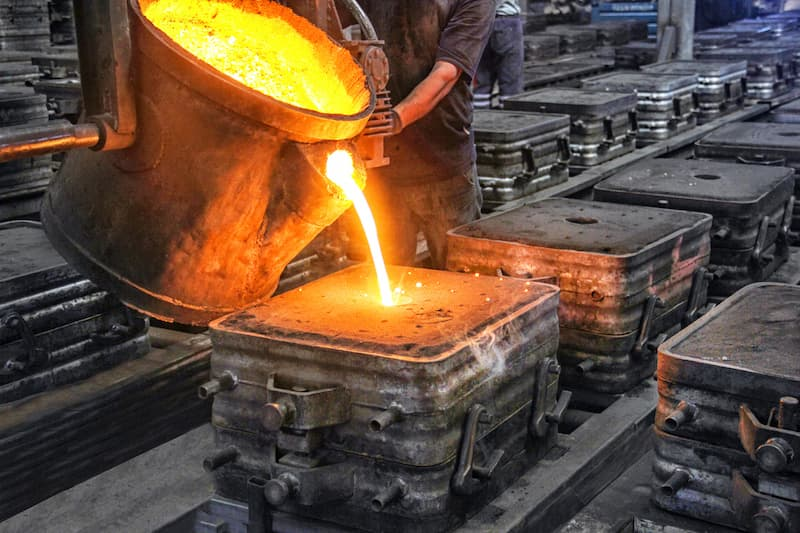
When hot metal turns into solid form, it takes up less space – a normal change that always happens in molds. Cooling brings smaller size, something you can’t stop during casting.
When control slips during this shrinkage, issues start to show. These can be empty spaces inside, dips on the outside, or shapes that miss their mark – each one impacting how things work. A loss of precision here leads to parts that do not fit right. What forms may look solid but carry hidden flaws. Even small shifts in size might cause big problems later. Without tight oversight, material behavior introduces weaknesses. Shapes change where they should stay fixed. Unexpected gaps appear without warning. Performance drops when structure fails silently.
After pouring, metal begins losing volume as it cools down. This first drop comes from temperature changes while still liquid. Then, turning into solid brings another size reduction. That shift needs careful handling in casting layout. Finally, cooling all the way causes more shrinking. Managing each step means tweaking how parts are shaped and made.
One metal might react one way, another completely different. When aluminum alloys cool, they pull together harder than cast iron, making careful handling a bigger deal based on what you’re working with.
2. Why Should You Care Metal Casting Shrinkage?
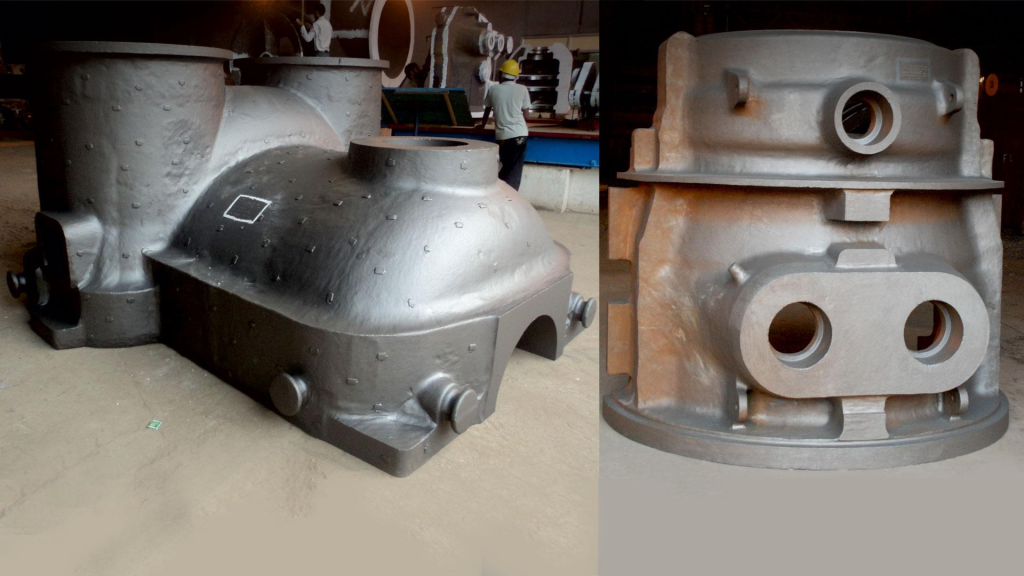
Shrinkage in metal casting isn’t merely a workshop headache. Product behavior shifts because of it, expenses shift too, while buyers feel the result firsthand.
Hidden gaps inside a part can weaken it, even if the surface looks fine. Stress might cause breakdown later, simply because shrinkage flaws went unseen during checks.
When parts hold weight or affect safety, things get serious. If something breaks while being used, work might stop, legal trouble could follow, sometimes people get hurt.
Hidden price tags show up when materials shrink during making. Faulty pieces mean waste piles grow, fixes take time, extra checks slow things down – each step adds more cost without warning.
Should the supplier take on part of the expense, it still shows up later – through higher prices, slower delivery, or spotty product consistency.
Uneven shrinking throws off size precision. When components contract differently, they might not line up right in assembly – forcing extra cutting work later. Size shifts like these disrupt how pieces join.
A single hiccup here sends tremors through the whole operation. Even tiny size mistakes later clog up assembly lines or pile up scrapped units further along.
What matters just as much? How dependable the process is. When shrinkage slips now and then, different batches can turn out uneven. Quality shifts without warning.
Planning gets tricky when things keep changing. More safety stock might be necessary because of it. Time spent checking quality could go up too.
When things shrink more than expected, it starts to damage how people see you. A product that breaks because of bad cast work? That blame lands on your name, never the factory that made it.
Costs climb when shrinkage gets tackled too late in making a part. Problems caught after casting demand higher expenses compared to solving them early, while planning how things go together.
3. Why Should You Care Metal Casting Shrinkage?
When you know the different kinds of shrinkage, talking with suppliers gets easier. Spotting problems sooner becomes possible too.
Liquid Shrinkage
When liquid metal starts cooling, it shrinks a bit before turning solid. Though the change in size isn’t large, getting it right matters for filling the mold fully.
Should the gates be off, you might see gaps or flaws on the surface. Not every setup handles flow right when the path’s wrong.
Solidification Shrinkage
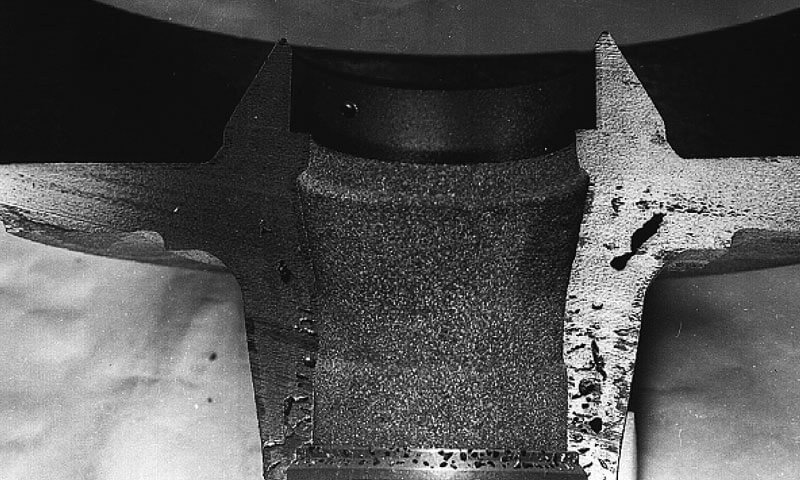
When metal turns from liquid to solid, it shrinks the most. This shift leads to many voids inside. What happens here shapes what’s beneath.
Thickest parts of the casting start trapping air if risers don’t feed enough material. Hidden pockets show up there – tough to spot unless someone looks inside.
Solid Shrinkage
Once the metal turns completely solid, it begins to shrink. Cooling down toward everyday temperatures makes the cast part pull tighter.
Most of the time, changes here mess with size and form. When ignored, parts might bend or miss their fit. Wrong shapes show up when details get overlooked.
4. Why Should You Care Metal Casting Shrinkage?
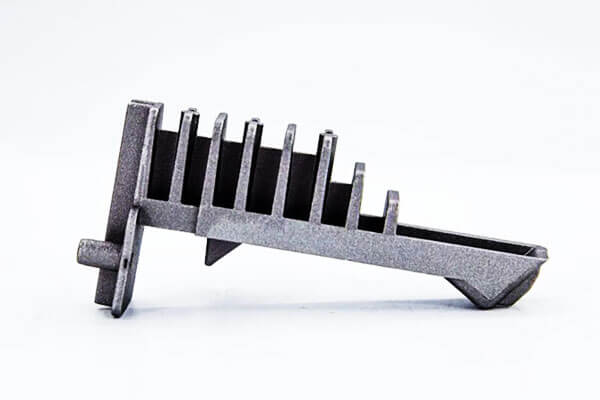
Most times, shrinking flaws come from several problems stacking up, not just one error. Figuring out what drives them makes it easier to spot the weak spots. What hides behind the surface often points straight to the root.
Poor Gating and Riser Design
Wrong gate and riser setups often lead to shrinkage. When liquid metal fails to move properly during cooling, empty spaces appear inside the casting. Metal that should fill gaps gets stuck too early. Poor design blocks the supply just when it is needed most.
A well-placed riser works better if it stays molten long enough. Should the metal inside freeze ahead of schedule, feeding stops just when the part demands more. Timing matters as much as location.
Uneven Cooling Rates
As one part of a cast solidifies faster than another, tension builds inside along with uneven contraction. Where the material piles up, cooling drags on – inviting flaws to form. Slower hardening in bulky zones means trouble shows up there most.
Shrinkage holes show up where material cools too fast on its own. Uneven hardening needs close watching if defects are to stay away.
Incorrect Pouring Temperature
Hotter metal tends to shrink more as it cools down. Because high heat delays hardening, the material pulls inward longer than usual.
When temperatures drop too low, metal might fail to reach every part of the mold. On the flip side, either condition raises defect risks.
Alloy Composition Issues
Not every metal mix behaves the same when cooling down. Certain ones pull inward more as they harden, needing tighter monitoring along the way.
Wrong metal choices might lead to more shrinking during shaping. Picking materials needs to match how the part will be cast.
Poor Mold Design and Material
Heat moves differently through molds depending on what they’re made of. Take sand ones – they let things chill down slower compared to those built from metal.
When molds aren’t shaped to guide cooling the right way, spaces can form inside the metal. How a mold is built makes all the difference in how well it works.
Lack of Simulation and Process Planning
Most new foundries struggle with guesswork. When casting without software, spotting where metal will pull away isn’t easy.
Most flaws show up early when machines test casts in software first. Without that check, errors keep coming back, using up time and materials.
5. How to Prevent Shrinkage in Metal Casting
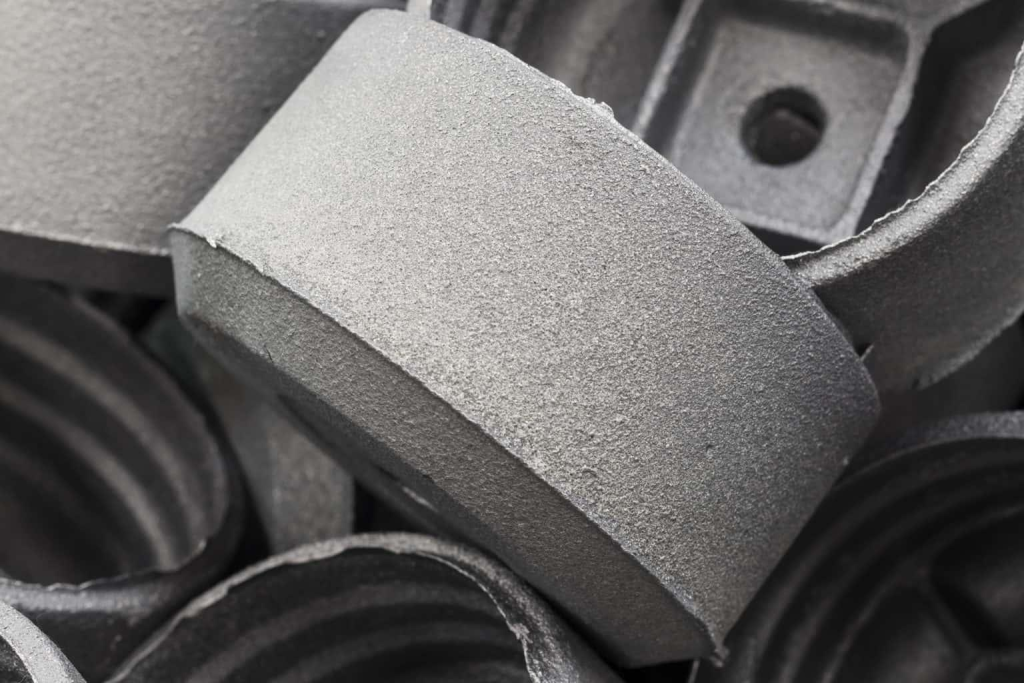
Stopping loss begins with how things are set up from the start. Not reacting when issues show up – instead, building ways that skip trouble altogether.
A well-shaped riser makes a difference. Because it stays liquid after the part begins to freeze, it feeds extra material where needed.
Start at one end, let it cool step by step. This path moves slowly into the riser. Cooling like this stops pockets of shrinkage getting locked inside.
Pouring heat sets how well metal moves and hardens. Staying steady matters just as much as picking the correct level. What happens next depends on both choices made early.
Flow of metal gets smoother when the gating setup works right. Because of that, the mold fills evenly. Less chaos in the pour means fewer flaws show up in the final piece.
Most of what happens inside materials stays hidden until it’s too late. Yet models give builders a window into how things pull together ahead of time.
Chills, used to manage cooling, shape how metal hardens. Where heat builds up – shrinkage often follows – these tools reduce that risk.
How stuff shrinks matters too. Picking metals that behave the way you expect makes things easier to manage.
Early detection of hidden flaws happens through techniques such as X-ray scans. That way, just pieces meeting strict standards proceed further.
Staying steady while making things matters most. A brilliant blueprint falls apart when steps drift off track.
6. Choosing the Right Foundry: Why Expertise Matters More Than Price
Choosing a foundry matters more than most realize. Cost might catch your eye first, yet surprises usually follow later.
Because some budget foundries struggle with know-how, handling shrinkage can go wrong. Mistakes pop up when precision slips through cracks. Delays creep in where timing matters most. Quality wobbles without steady oversight.
Out there, some foundries have been around long enough to know what works. Solid results come from careful planning, not guesswork. Molds take shape when knowledge guides every cut. Feeding systems run better if someone’s paid attention over time. Cooling metal behaves predictably only if patterns repeat right.
Working alongside specialists means clearer conversations. When you team up with a solid foundry, they share thoughts – often pointing out ways to make your design work better. Their input arrives early, shaping ideas before mistakes grow. You hear what matters, straight from those who build it.
When a foundry checks its work carefully, it usually shows what it can do. Those using better ways to inspect tend to produce steady outcomes.
What matters just as much? How well a foundry handles shrinkage. When that process stays under control, output flows without surprise halts – delivery windows tighten up naturally.
Over time, skill cuts overall expense. Less money goes toward fixing mistakes, wasted materials, or defects.
What matters most isn’t simply finding someone to build components. Staying aligned with how you envision them – consistently – is the real point.
Conclusion
Shrinkage happens every time metal casts – it’s just part of the deal. Still, flaws don’t have to follow. What changes the outcome? How tightly each step is managed.
Most problems start small, yet they grow fast without attention. When choices in materials or layout consider shrink risks early, outcomes improve quietly behind the scenes. Fixing things later pulls more time, uses more money. A stitch saved never leaks through. Small steps ahead of trouble often carry the most weight.
Start here – real skill matters most, when clear steps guide each move, results stay strong over time. With those pieces locked down, shrinking issues fade into background noise instead of standing out.
 English
  Spanish
  Portuguese
  French
  German
  Italian
  Arabic
  Russian
  Korean
  Japanese
  Indonesian
  Chinese