
Table of Contents
Most excavator bucket enquiries start with machine tonnage and bucket width. That is understandable, but it is not enough.
A 20-ton excavator working every day in clean soil does not need the same bucket as another 20-ton machine loading blasted stone. One may run happily for years with a relatively straightforward digging bucket. The other can wear through the floor, side protection and teeth much sooner even though the machines look nearly identical on a fleet list.
For a buyer, the useful questions are more practical: What is being excavated? How abrasive is it? What coupler is installed? Where should wear-resistant steel be used? And how much extra bucket weight is the machine carrying simply because somebody assumed “heavier” meant “better”?
The manufacturers below are not ranked by company revenue. Some are equipment OEMs, while others specialize in buckets, attachments or ground-engaging tools. The ranking is based mainly on product fit, engineering, wear-system experience, application range and usefulness to an actual excavator owner or attachment buyer.
What Is an Excavator Bucket?
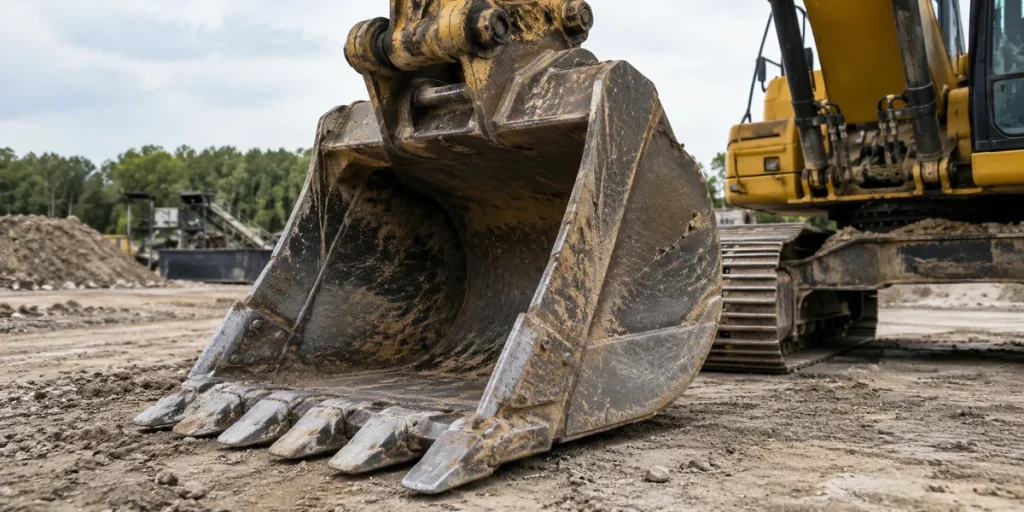
An excavator bucket is the attachment connected to the excavator stick and used to dig, load, trench, clean, grade or handle material.
The basic construction is familiar: a curved shell or back plate, side plates, mounting ears and a cutting edge. Digging and rock buckets normally add teeth and adapters. Severe-duty designs may also carry bottom runners, side cutters, heel protection and heavier reinforcement around known wear areas.
The important part is how those pieces work together.
A bucket can be made from excellent steel and still be disappointing. Poor profile geometry can make filling harder. Too much unnecessary reinforcement increases dead weight. Weak protection around the heel or side plates can allow expensive structural steel to disappear before cheaper replaceable wear parts are consumed.
From a sourcing standpoint, bucket design should be treated as part of the machine’s working system rather than a steel box attached to the end of the arm.
What Are the Main Types of Excavator Buckets?
Manufacturers do not always use exactly the same names, so a “Heavy Duty” bucket from one company may be closer to another company’s “Severe Duty” product.
The application description is more useful than the label.
Bucket Type | Typical Application |
General Purpose | Soil, sand and normal excavation |
Heavy Duty | Dense soil, clay, gravel and occasional rock |
Rock / Severe Duty | Quarry material, broken rock and abrasive work |
Trenching | Narrow utility and drainage trenches |
Grading | Finishing, landscaping and slopes |
Ditch Cleaning | Wide cleanup and softer material |
Skeleton | Separating rocks or debris from soil |
Mining Bucket | High-production, high-wear environments |
There is a tendency to buy the heaviest version “just to be safe.” I am not convinced that is always sensible.
Every extra kilogram in the bucket is lifted, lowered and accelerated hundreds of times during a working shift. If the application does not need extreme reinforcement, that extra steel is not free just because it was included in the purchase price.
What Material Is an Excavator Bucket Made From?
Most buckets use structural steel for the main body and harder wear-resistant steels in areas that see abrasion.
The floor, cutting edge, side protection and heel usually deserve more attention than surfaces that rarely contact material.
Hardness figures are useful, but they are also easy to sell.
A very hard plate does not automatically produce the longest-lasting bucket. The steel still needs suitable toughness and weldability, especially where impact is involved. A quarry bucket striking broken rock has a different job from a grading bucket sliding across sandy soil.
For severe work, I would rather see a sensible wear package than an excessively heavy bucket that tries to solve every problem by adding plate thickness.
What Should You Tell a Supplier Before Ordering?
“Excavator bucket for 20-ton machine” is not a complete specification.
The machine make and model should come first. Then confirm the coupler or direct-pin arrangement. For custom fitment, the supplier may need pin diameter, pin-center distance and inside or outside mounting width.
After that, describe the job.
A common fleet situation illustrates the problem. Two similar excavators are given the same bucket because purchasing wants one standard specification. One works mainly in mixed soil and performs well. The second spends most of its time around broken stone. Its wear strips and floor disappear much earlier.
The immediate suspicion is often poor steel.
Sometimes the steel is perfectly acceptable. The second machine simply needed a different bucket specification.
10 Best Excavator Bucket Manufacturers & Suppliers in the World
1. Fuchun — China
Fuchun takes the first position for a different reason from Caterpillar or ESCO. It is more relevant to buyers looking for custom excavator buckets, OEM production and drawing-based manufacturing rather than simply ordering a standard replacement attachment from an established equipment catalogue.
That distinction matters.
A construction machinery manufacturer may already know the required bucket width, mounting dimensions and working conditions, but still need a factory capable of turning the design into a repeatable production part. In that situation, manufacturing control becomes just as important as the bucket brand.
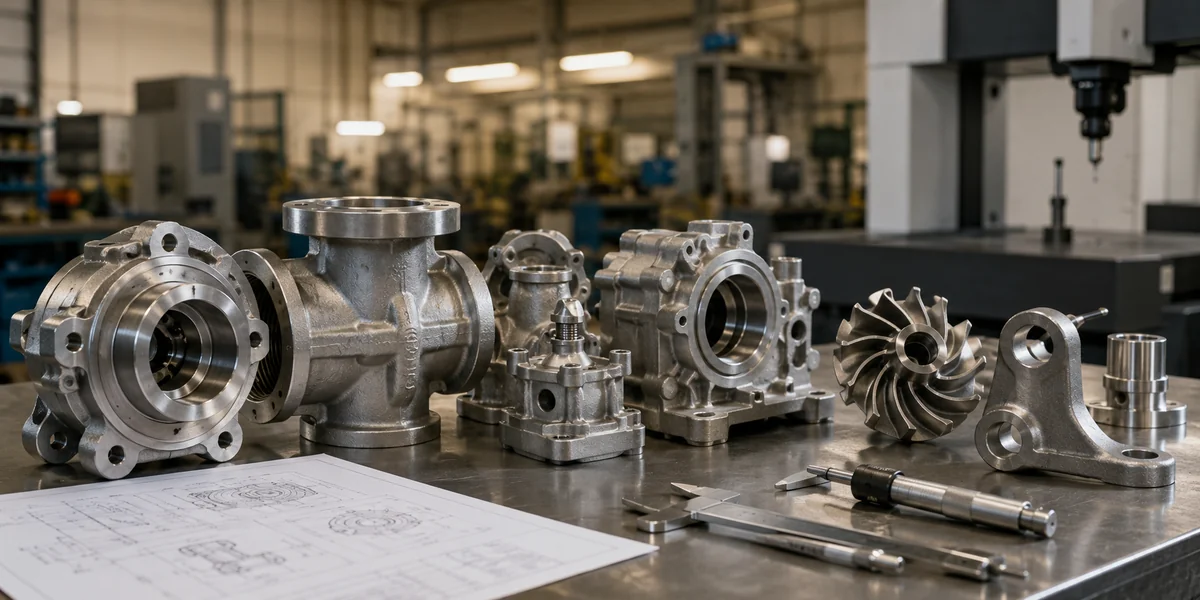
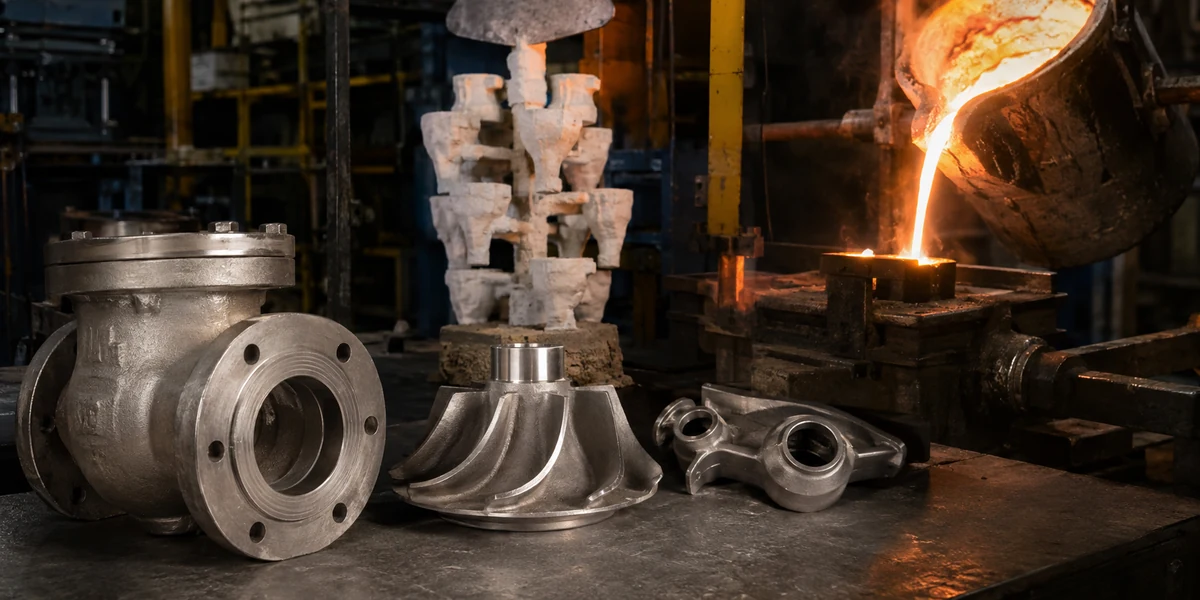
Fuchun’s strength is its experience with custom metal components for construction machinery, including steel and alloy parts that require casting, fabrication, machining and dimensional control. For an excavator bucket project, this type of manufacturing background becomes useful when the customer needs non-standard mounting dimensions, heavier wear areas, revised structural sections or OEM production based on its own drawings.
A typical enquiry may not begin with:
“I need a bucket for this excavator model.”
It may begin with a 2D drawing, a 3D model, pin dimensions, required bucket capacity and an annual purchasing quantity.
Those are very different projects.
For buyers sourcing private-label or customized excavator attachments, China also offers an established supply chain for steel plate, wear-resistant material, bucket teeth, adapters and machining. Keeping more of those processes within one manufacturing network can make engineering changes easier during sampling.
Fuchun would not necessarily be my first choice for somebody who needs one genuine replacement bucket delivered tomorrow for a Caterpillar excavator. A local Cat dealer is obviously more convenient for that job.
But for an OEM, attachment distributor or machinery company developing its own bucket specification, Fuchun becomes much more interesting.
Before production, I would still expect the buyer and factory to agree on the mounting dimensions, steel specification, wear areas, welding requirements and the material the bucket will actually handle. A custom bucket should not simply be a standard bucket with a different logo.
2. ESCO / Weir
ESCO becomes more interesting as abrasion gets worse.
Its reputation around teeth, lips and wear protection is probably more important than simply counting how many bucket models it sells. In quarrying and aggregate work, the bucket is continually sacrificing material. The aim is to control where that sacrifice happens.
Replaceable teeth, adapters and wear components should ideally disappear before the bucket’s expensive structural sections.
That sounds obvious on paper. In the field, worn protection is sometimes left in service until the parent material underneath has already been damaged.
For soft dirt work, some of ESCO’s more serious wear technology may be unnecessary. For aggressive quarry applications, it is one of the first names worth reviewing.
3. Hensley Industries
Hensley’s product philosophy is useful because it forces the buyer to consider what is actually under the bucket.
Its bucket families move through different duty levels as soil, gravel and ordinary rock give way to highly abrasive or severe material.
That is more useful than choosing from a catalogue based on width alone.
Hensley also makes sense where the tooth system is an important part of operating cost. Bucket teeth are consumables. That is normal. What matters is whether penetration remains good and whether the wear system protects the more expensive bucket structure behind it.
A basic grading job does not need all of this engineering, which is exactly the point. Match the bucket to the work.
4. Geith
Geith is especially relevant to contractors thinking about the attachment system as a whole.
Buckets and quick couplers are closely related in real-world operation. A contractor switching regularly between digging, grading and other attachments cares about more than whether one bucket performs well by itself.
The company’s range covers different bucket styles and excavator classes, and its position in coupler systems gives it an advantage for mixed attachment use.
For a machine that keeps one standard bucket installed almost permanently, that advantage matters less.
5. Werk-Brau
Werk-Brau is one of the North American suppliers I find relatively easy to understand because its bucket categories are clearly connected to working severity.
Heavy-duty dirt work, severe applications and more abusive rock or demolition environments are not treated as though they were the same problem.
That also leads to a point buyers sometimes ignore: a heavy-duty digging bucket is not automatically a rock-prying tool.
An excavator has enough hydraulic force to make people attempt things the attachment was never designed to do.
More steel cannot compensate indefinitely for the wrong operating method.
6. AMI Attachments
AMI’s strength is range.
A contractor operating several excavator sizes can stay within one attachment supplier while moving between conventional digging, cleaning and heavier rock-oriented buckets.
That flexibility is useful for rental fleets and contractors whose work changes from project to project.
It also means the buyer needs to spend a little more time selecting the correct model. A wide product catalogue is useful only if someone chooses from it properly.
7. Craig Manufacturing
Craig is worth looking at when the specification starts to move away from a standard catalogue bucket.
Different duty levels, wear arrangements, capacities and configurations make it suitable for buyers who already know they need something slightly different from a basic replacement.
Customization does not have to mean designing an entirely new bucket.
Sometimes the requirement is simply a familiar bucket with extra side protection, a particular tooth system, non-standard width or mounting dimensions that suit an existing fleet.
That can be commercially much easier than modifying equipment around whatever bucket happens to be available.
8. Brandt
Brandt makes the most sense to me in a fleet where John Deere compatibility already matters.
Its excavator attachment range covers several common digging, cleanup and harder-duty applications.
For a contractor running mostly Deere machines, keeping bucket and attachment sourcing close to that ecosystem can simplify things.
For a mixed fleet containing five different excavator brands, I would probably look harder at some of the more brand-neutral manufacturers above.
9. Rhinox
Rhinox earns its position mainly through the compact excavator market.
Mini excavators do not get the visual attention of mining machines, but rental fleets, landscapers, utility contractors and small builders put huge numbers of hours on them.
Those users often care more about sensible fitment, availability and replacement cost than elaborate severe-duty wear systems.
A three-ton excavator digging drainage trenches simply has a different purchasing problem from a 70-ton machine loading rock.
Rhinox addresses that smaller-machine end of the market well.
10. TAG Manufacturing
TAG offers a broad US-made attachment range for multiple equipment brands.
That makes it a reasonable aftermarket option for North American contractors who do not want every attachment purchase tied to the original machine manufacturer.
I would not choose it simply because it is manufactured domestically, though. Country of origin is much less important than correct fitment and an appropriate bucket specification.
A poorly selected local bucket is still a poorly selected bucket.
How Long Does an Excavator Bucket Last?
There is no useful answer in years or operating hours without knowing the application.
Soil is relatively forgiving. Granite is not.
Operator technique also changes bucket life. Prying, side-loading or continuing to run after teeth and wear protection are badly worn can transfer damage into sections that are much more expensive to repair.
Teeth and wear plates are consumable items. Replacing them is ordinary maintenance.
Structural cracks repeatedly returning to the same location are another matter.
The same applies when mounting ears become distorted or pin bores are badly elongated. At some point, another repair is simply postponing replacement.
Bucket Teeth vs. Cutting Edge
Bucket teeth are mainly there to improve penetration. The cutting edge forms and protects the lower lip of the bucket and becomes particularly important on smooth-edge and grading applications.
Rock work typically puts greater emphasis on the tooth system.
Finish grading often requires the opposite: a clean, straight cutting edge and predictable bucket profile matter more than aggressive teeth.
There is no reason to make this choice complicated. Start with what the bucket is expected to do.
Can Any Bucket Fit Any Excavator?
No.
Two excavators in the same weight class may still use different pin diameters, pin centers, ear spacing or coupler arrangements.
This needs to be checked before production or shipment.
A bucket arriving from overseas and missing the machine by a small mounting dimension is a particularly expensive way to discover that “20-ton excavator bucket” was not enough information.
Is a Bigger Excavator Bucket Better?
Only when the machine and material can use it efficiently.
Increasing capacity also increases the potential load. The same bucket full of dry soil and dense wet material places very different demands on the excavator.
An oversized bucket can slow cycles, reduce stability and increase stress on the machine.
Productivity comes from matching bucket capacity to the job, not simply maximizing cubic volume.
Final Thoughts on Choosing an Excavator Bucket Supplier
Before requesting a final quotation, give the supplier the machine model, mounting arrangement and the material the bucket will actually handle. On a severe-duty job, ask which areas receive wear-resistant steel and which components are expected to wear first.
I am usually cautious when a supplier recommends its thickest bucket for almost every application. Extra steel is an easy answer because it sounds durable, but the excavator carries that weight during every cycle.
For OEM fit, Caterpillar remains difficult to argue against. ESCO and Hensley deserve particular attention when wear is the main concern. Geith, Werk-Brau, AMI and Craig become more interesting when attachment specialization or customization matters.
If a complicated bucket quotation arrives without any discussion of machine fitment or working conditions, I treat it as a price indication rather than a finished technical proposal.
 English
  Spanish
  Portuguese
  French
  German
  Italian
  Arabic
  Russian
  Korean
  Japanese
  Indonesian
  Chinese