
Table of Contents
Heavy reliance on precise production marks how vehicles come together. Engine parts, along with suspensions, need tight control over size, toughness, and long-term performance. One method standing out lately? Water glass casting – offering strong metal pieces without driving up expenses.
Quality matters just as much as cost when people look into casting methods. Buyers from auto makers to part sellers usually weigh options like water glass against silica sol, along with sand and die approaches. Choices get made after checking how each one performs under real demands.
Starting off, water glass casting handles tricky car parts well, delivering consistent results without driving up expenses too much. Though often picked for volume jobs, it works best when making mid-sized to big runs of steel or alloy pieces found in automobiles.
1. What is water glass casting?
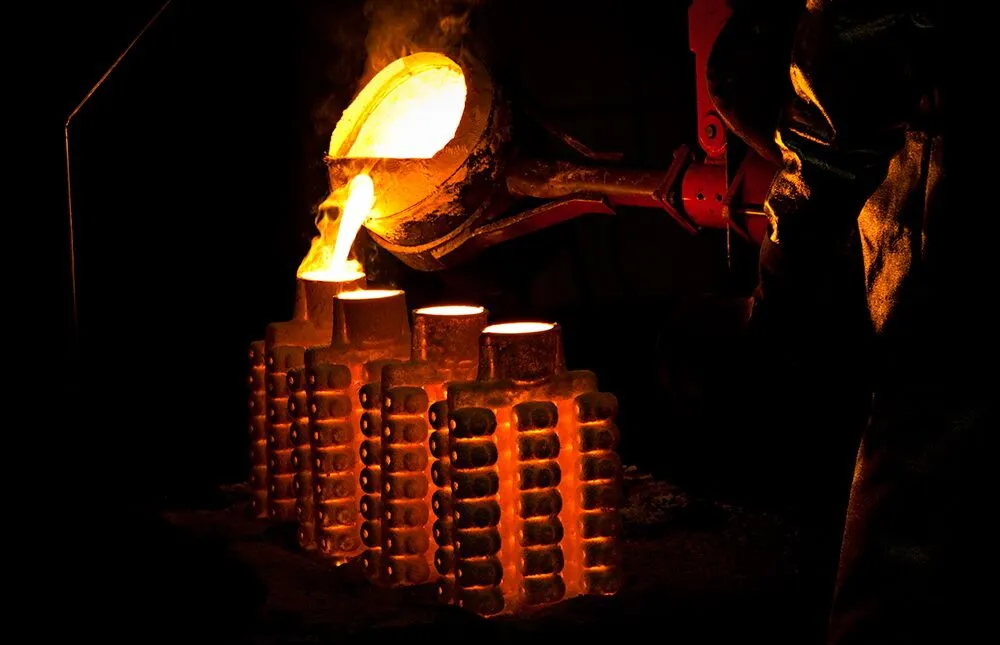
Starting off differently each time, here’s how it works: Water glass casting relies on sodium silicate – often named water glass – to hold mold materials together during shaping. Known widely by its results, this method forms metal components with decent precision in size and delivers surfaces that aren’t rough. Finished pieces often show consistent detail without extra effort.
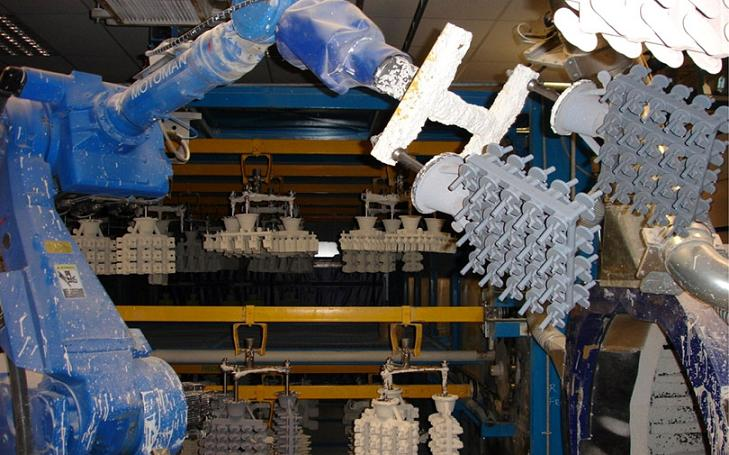
Starting off, workers form wax shapes just like the finished item. Grouped together, these waxes get dipped in a fireproof mix using liquid binder instead of glue. Once set firm, heat removes the wax entirely – empty space remains behind where it once was.
After pouring molten metal into the mold, it cools quickly inside. When hardened, workers remove the ceramic layer by hand, exposing the cast shape beneath. From there, steps like grinding, cutting, heating, or smoothing follow – each guided by what the buyer needs.
2. What are the commonly used casting materials for water glass casting?
Choosing materials shapes how well car parts perform when cast. Some pieces must handle stress better, others fight rust or high temperatures instead. Strength matters just as much as durability under pressure sometimes. Toughness becomes key where impacts happen often.
From iron to aluminum, water glass casting handles various metals. Because of that, car parts often come from this method.
Carbon Steel
Water glass casting leans heavily on carbon steel – it pulls double duty with solid strength plus a lower price tag. Toughness sticks around even after heavy use, making it a go-to choice.
From trucks to tough machinery, carbon steel castings often shape automotive brackets. These bits link pieces together where strength matters most. Suspension parts made this way handle stress without giving in.
Alloy Steel
Some steels mix in chromium, nickel, molybdenum, or manganese to work better. These added materials change how the metal behaves under stress.
Out in the foundries, auto makers pour alloy steel into molds when they need strength under pressure. Take gears and axles – these bits face brutal loads day after day. Instead of cracking, they hold firm thanks to that dense metallic mix.
Stainless Steel
Most times stainless steel shows up where rust could be a problem. You’ll find it in car exhausts, pieces inside turbos, also parts that face wet conditions or chemical touch now and then.
Smooth, detailed shapes made of stainless steel often come from water glass casting. In cars, you’ll frequently find parts built using austenitic types of this metal.
Even if it costs more, stainless steel lasts longer because it fights rust better than carbon steel. What matters most shows up over time when cheaper options wear out fast.
Ductile Iron
Iron that bends without breaking holds up well when shaped or hit hard. Often found under cars, holding parts together or supporting axles.
Ductile iron handles shock better than gray iron, so it bends without breaking easily. Because of this, it lasts longer when stressed again and again.
Heat-Resistant Alloys
Heat pushes some car parts beyond normal limits. Take turbocharger casings – these handle fierce conditions just like pieces of the exhaust do.
Even when things get hot, these metal parts keep working just fine. Made possible by water glass methods, they take shape for tough jobs under car hoods. Starting out as liquid, they solidify into forms built to handle stress and heat together.
Aluminum and Other Non Ferrous Metals
Even if it’s rarer compared to steel pouring, water glass methods can still handle some non-iron metals. Lightweight car parts occasionally come from aluminum mixes.
Nowhere is weight saved more carefully than inside today’s cars, since lighter parts mean less gas burned along with fewer fumes released into the air.
3. What are the advantages of water glass castings?
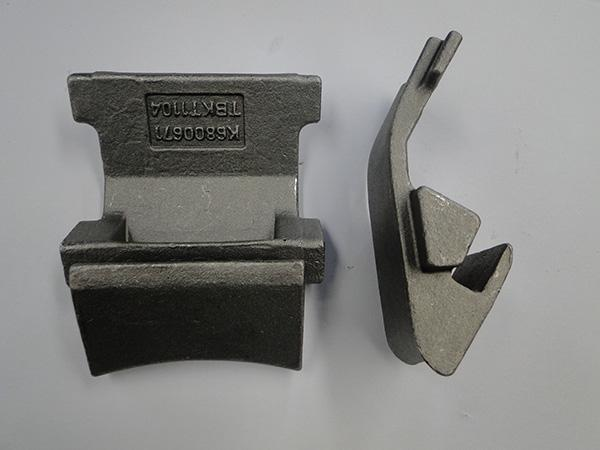
Out of all ways to build car parts, some stand out by being both precise and cost effective. Water glass casting fits right into this picture because it delivers strong results without slowing things down. What shows up in practice is a method that handles detail well while keeping expenses under control. Instead of cutting corners, it manages consistency across batches. Driven by practical needs, manufacturers often turn here when they need reliability paired with speed.
Lower Production Cost
Water glass casting tends to save money because its mold ingredients cost less than those in silica sol methods. Cheaper supplies add up fast when making molds at scale.
Good Surface Finish
Smooth finishes often come from water glass casting, unlike rougher sand-cast parts. Because of this, less grinding or cutting is usually required afterward.
Smooth finishes make things look cleaner while also working better. When parts slide easier in cars, they run more efficiently because of refined textures.
Can make intricate forms
Some car parts today have complex forms. Because of water glass casting, factories can make these detailed designs instead of cutting them out of metal blocks. Shapes like that might cost too much otherwise.
Wide Material Compatibility
From iron to aluminum, water glass casting works with a range of metals. Depending on strength needs or exposure conditions, shops pick what fits best.
Because it works in so many ways, the method fits nearly every kind of car part, whether holding up frames or handling high temperatures.
Reduced Machining Requirements
Parts come out close to their final shape when cast with water glass, so they often need only a little finishing work afterward.
Less cutting means lower payrolls, faster builds, fewer scraps left behind. Efficiency climbs when steps shrink.
Stable Mechanical Properties
Out in the real world, car components face tough demands – quality has to hold up. When steps are followed closely, water glass casting delivers steady strength and performance.
Because heat treatment is applied, parts become more dependable. Standards in the automotive field are met through careful checks after heating.
Suitable for medium and large production runs
Starting fast, water glass casting works well when making many pieces at once. With molds ready to go, factories keep output steady without slowing down. Production lines hum along, turning out copies that match exactly every time.
This ability to produce matters a lot when supplying car makers along with those who replace parts later.
4. What automotive parts can be manufactured using water glass casting?
From engine parts to chassis fittings, water glass casting shows up everywhere in car making. Tough pieces come out exact every time thanks to this method. Precision sticks around even after long runs on the production line. Durable shapes form easily when using this tried approach. Strength builds into each component without extra steps. The process holds tight tolerances across batches. Car makers lean on it simply because results stay consistent.
Exhaust System Components
Fires rage inside exhaust paths, gnawing at every joint. Tough iron stuff resists burning better than most metals found in machines. What survives long comes coated or forged to fight rust and scorch.
Suspension Components
When a car moves, its suspension faces constant shaking and pressure – so every piece must resist wear over time. Bumps on roads never stop testing how tough each component really is. Without solid materials, performance drops fast under strain day after day.
Steering System Parts
Heavy-duty steering bits need to pass tough safety checks. Glass-infused metal forms make up the brackets, connecting pieces, also frames that hold things in place.
Starting out, consistent dimensions help keep steering accurate so drivers stay in control. What matters here? How evenly parts are made affects how smoothly a car handles on roads.
Transmission Components
Built tough, transmission systems pack dozens of metal pieces working under pressure. Friction piles up fast where motion never stops. Parts grind together, shaped to handle stress without giving way.
From small gears to complex parts, water glass casting works well for making pieces like gearbox elements. Housings take shape smoothly through this method, showing its strength in detail work. Shift forks come out sturdy, holding their form during production runs. Support brackets also benefit, built reliably without extra steps in the process.
Engine Parts
Some pieces inside engines get made using water glass casting too. Mounting brackets might come out of that process. Intake parts sometimes take shape this way instead. Specialized housings appear now and then through the same method.
Firms that build cars like this method since strong parts come out without high expenses.
Brake System Components
Heavy braking pushes parts to their limit. Glass-based molds hold up when things get hot. These cast forms fit brake mounts, grip-frame bases, even load-bearing joints nearby. Parts made this way stay tough under pressure.
Built right every time, brake setups shape how safely a car handles stops. What holds together across builds shapes trust when slowing down fast.
Chassis and Structural Parts
When a car moves, its frame takes constant pressure. Thanks to water glass casting, pieces like chassis joints and braces hold up well over time.
Heavy-duty automotive systems benefit greatly from this method, while it also fits well with farm machinery; commercial trucks find it helpful too.
Agricultural and Off Road Vehicle Parts
Farm equipment often relies on water glass casting, while builders of heavy machines use it too – off-road vehicles get parts made this way as well.
Built tough, these machines rely on hefty steel parts that keep going even when conditions get rough.
5. How to Choose the Right Water Glass Foundry for Your Auto Parts?
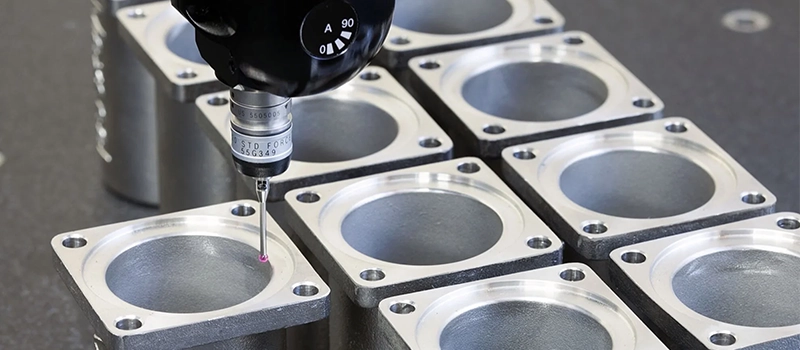
Right foundry selection shapes how well products perform. When delays happen, trust often breaks down too. People hunting details on water glass casting usually want steady makers they can count on. Success over time links closely to who pours the metal.
From the start, a solid foundry shapes outcomes beyond just making parts. Quality climbs when expertise guides each step. Fewer flaws appear because care goes into every detail. Progress moves faster with steady backing through development phases.
Evaluate Industry Experience
Heavy metal parts for cars need close watching during making. Workers who have built these before tend to know what inspectors will check.
Some makers know how tight parts must fit, what papers prove metal quality, besides ways to bake metals for strength when building car pieces.
Check Production Capabilities
Some foundries work better with certain metals or part dimensions. Before moving forward, check that the vendor supports your needed material type, how heavy each piece is, while also matching expected order size.
Check How Well Quality Controls Work
When things go wrong in car making, mistakes show fast. Faulty pieces might cause danger on roads, spark repair costs, or drain money from companies.
When needed, a good casting shop gives material checks along with size measurements. Testing strength happens too, sometimes replaced by scans that find hidden flaws without damage.
Assess Engineering Support
When engineers lend a hand, fixes to part designs often follow. Problems during manufacturing tend to shrink as guidance kicks in. Help from experts opens doors to smarter setups. Better outcomes start with someone who knows the details. Mistakes fade when experienced eyes review each step.
Think About How You Talk and Help Others
Working with overseas casting suppliers means clear talking matters a lot. When replies take too long, confusion slips in – mistakes follow. Misunderstood details? They ripple straight into how things get made.
Price and Value Compared
What something costs matters a lot – yet picking the lowest number on paper might backfire. A bargain today could mean headaches tomorrow, simply because low cost rarely guarantees solid quality or reliability down the road.
Poor castings can mean more flaws, trouble during machining, or parts that fail too soon. Look at overall worth rather than just cost per piece when choosing suppliers.
Verify Delivery Capability
Most car makers stick to tight building timetables. When shipments arrive late, everything downstream begins to wobble.
Start by checking how fast a factory can produce. One thing that matters is whether they have shipped goods abroad before. Shipping strength often shows in how smoothly things move overseas.
Conclusion
Starting strong in car manufacturing, water glass casting sticks around thanks to low cost mixed with adaptability plus consistent results. Components shaped through this method handle intricate designs while keeping tight size control across many material types.
Water glass casting fits right into today’s car production, handling everything from frames to drivetrains. Because it delivers solid results without high expenses, companies building factory parts or replacements lean on it often.
Related Post might be HELPFUL to you:Sand Casting: The Ultimate Guide
 English
  Spanish
  Portuguese
  French
  German
  Italian
  Arabic
  Russian
  Korean
  Japanese
  Indonesian
  Chinese