
Table of Contents
Long before machines took over factories, people poured molten metal into molds. Today, cars still rely on that ancient method – especially for heavy components like engine frames. Instead of carving pieces from solid chunks, makers shape them by cooling liquid metal inside precise forms. Lightweight sections holding the body together? Often cast too. Complexity doesn’t drive up cost here, unlike many other methods. Volume matters less when each mold can repeat endlessly. Shapes once thought impossible now form routinely in foundries.
Looking into casting within car making? Chances are, you want to grasp how vehicles come together, where to get components, or what production method fits best. Instead of jargon, this piece lays out key points clearly, linking ideas to actual use on the ground.
1. What is casting?
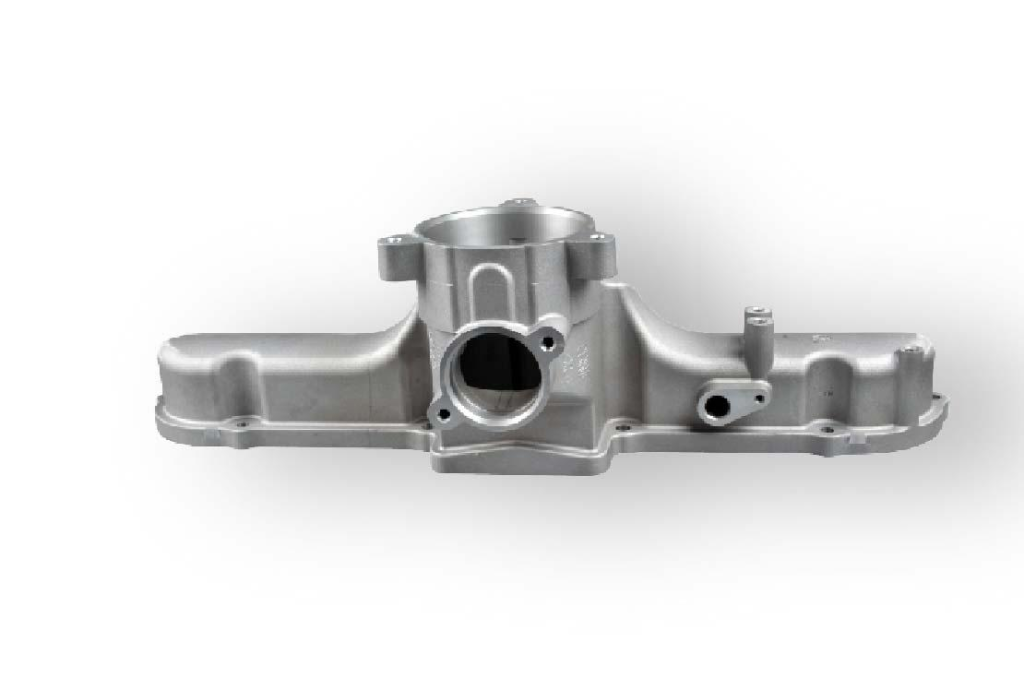
Out of liquid heat, metal takes form when guided into a hollow space meant to hold its shape. After time passes, it stiffens inside that shell, slowly turning from glow to grain. When firm enough, the piece comes out, ready for touches that match what needs to be made.
With its ability to shape intricate forms, this approach skips the high costs tied to traditional cutting or assembly work. When lots of pieces are needed, it tends to stand out instead.
Iron, aluminum, steel – these show up often when pouring molten shapes. Magnesium joins them too, though less common. Strength jumps out with some choices right away. Lighter parts come from picking certain ones carefully. Rust slows down near specific types after cooling fully.
Start with heat, then shape follows. Temperature matters most when the material flows. Mold details define what emerges after solidification. Cooling speed changes everything underneath. Finish work reveals how well earlier steps held up.
Because casting handles strength, expense, and size well, it matters deeply in car making. That fit works just as well for old-style builds as it does fresh ones.
2. Which parts in a car use casting technology?
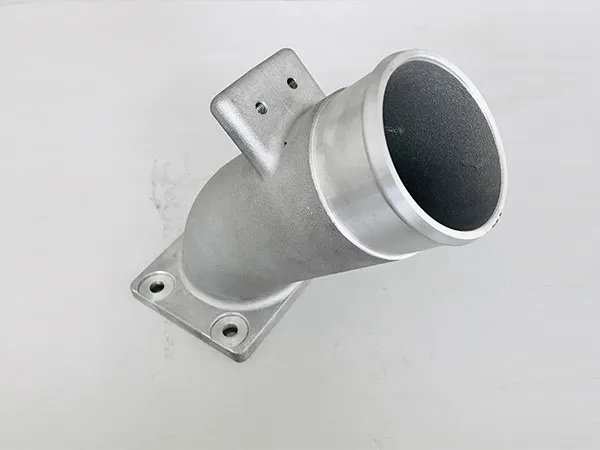
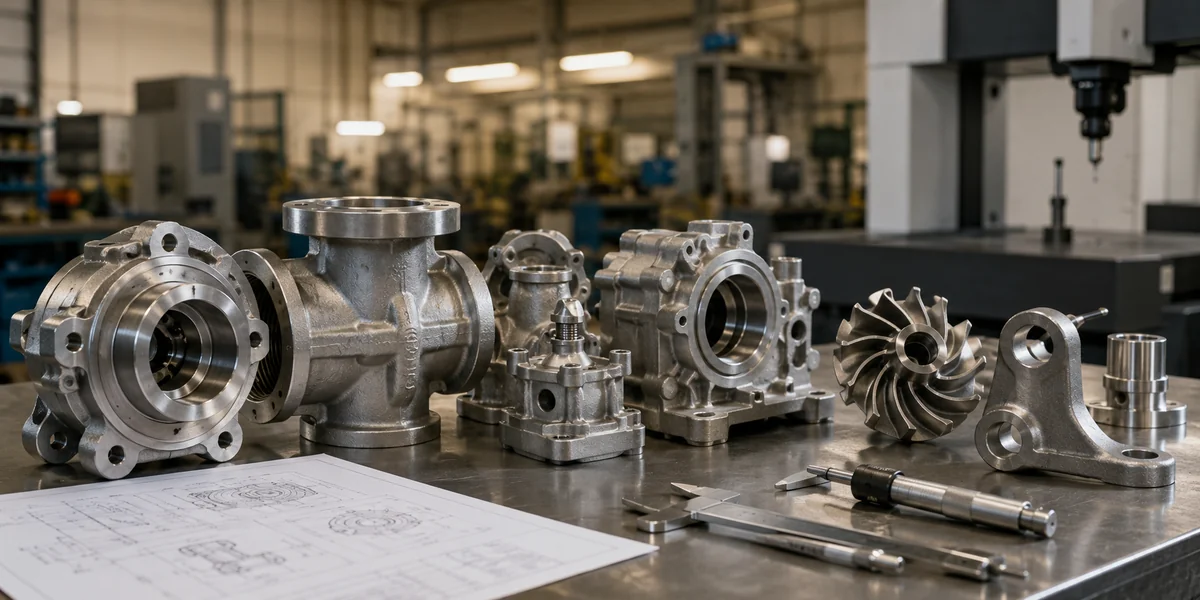
From engine blocks to suspension pieces, casting handles tricky forms that need toughness. Because they carry heavy loads, these bits demand high resistance to wear and solid reliability. What sets them apart is how well they hold up under pressure. Built right, they last through years of tough driving.
Most cast parts you’ll see are engine blocks. Usually built from cast iron or aluminum, they face intense heat and pressure when running. These materials hold up well under tough conditions found inside engines.
Inside each cylinder head, you’ll find space for valves, spark plugs, and paths for air. Though complex inside, they start life poured into molds. Casting works best because of their detailed inner shapes.
Out of shape? Not these cases. Gears and shafts must line up just right, so foundries pour them true. Precision hides in their walls.
When it comes to stopping power, calipers along with discs usually come made through casting – built tough on purpose. Under heavy stress, like fast stops, they’ve got to hold up without failing.
Out of nowhere, cast parts show up in suspension systems – control arms, knuckles, the usual suspects. Made mostly from aluminum alloys, they slip into place where heavier materials once ruled. Weight drops, yet the resistance to force stays put. Efficiency climbs, thanks to this quiet swap behind the scenes.
From molten metal pours come wheel hubs alongside alloy wheels. Though built tough, they still need to look sharp. Weight matters just as much as durability does. Casting shapes each piece with precision over time.
Out there, electric cars push casting into new territory. Instead of many small pieces, big chunks like floor frames come out in one pour. Battery boxes take shape through molds rather than bolts. Motor shells follow the same path – formed whole instead of welded together. Fewer parts mean less fuss when putting things together. Molding them cuts down on how much work it takes later.
3. Which casting processes will be applied to the automotive industry?
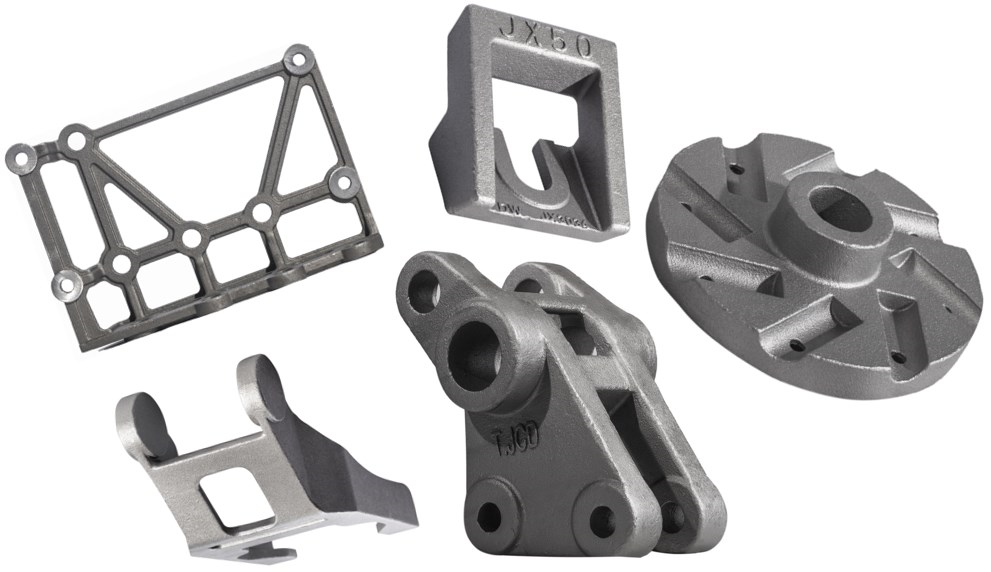
Whatever the job needs – material choice or how many pieces – shapes which way it’s cast. One size never fits all when methods swap strengths for limits.
Sand casting
Starting off, sand casting ranks among the earliest techniques people ever used to shape metal. This method relies on molds made of sand, which form the space where molten material flows. Often chosen when making big pieces, it works well even if only a few are needed. Its adaptability has kept it relevant across many industries over time.
Most times you’ll see this method applied to engine blocks along with big protective shells. Shapes can get tricky here, though hitting exact specs might mean more cutting work later.
Die casting
Most cars today rely on parts made through die casting. Under intense force, liquid metal gets forced into a hardened steel cavity.
Smooth results come out of this process, also precise measurements every time. Aluminum bits like engine pieces often get made this way, along with gearbox housings.
Investment casting
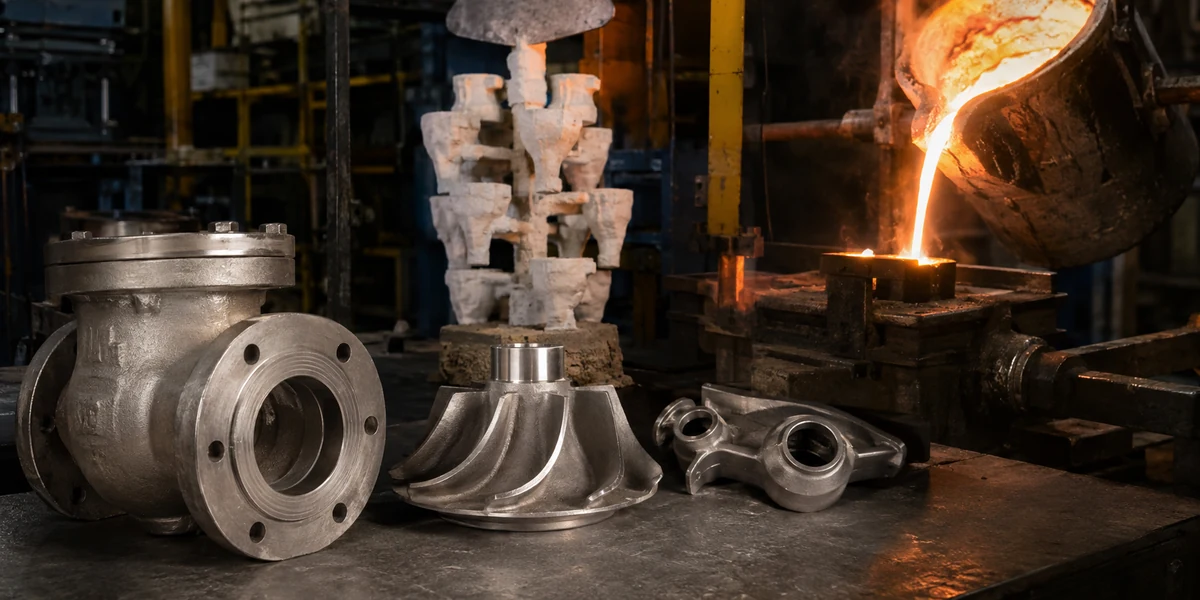
A method called investment casting makes parts with fine details and tight accuracy. Starting with a wax version of the piece, it gets covered in layers until hard. After drying, heat removes the wax from inside, leaving a cavity behind. This space later fills with molten metal to match the original shape.
Built for tiny pieces with tricky shapes, it holds measurements extremely close. Where failure isn’t an option, you’ll find this method at work.
Gravity casting
Downward pull of weight shifts liquid metal into shaped cavities. This method skips complex machinery found in high-pressure injection techniques, instead relying on basic drop motion – delivering solid performance without extra steps or gear.
Built for parts of moderate size, this approach holds up when durability matters most. Strength sticks around, thanks to a design that does not cut corners.
Low-pressure casting
From the bottom up, liquid metal gets pushed gently into a shaped cavity by steady force. Fewer flaws show up because of it, also strength tends to rise slightly. A quiet method, really – no loud bursts, just consistent push.
Found in parts like rims and support pieces made of aluminum. This method packs material tighter than older ways, making it tougher. Strength improves because the metal settles more firmly during production.
High-pressure die casting (HPDC)
From start to finish, high-pressure die casting focuses on speed when making large batches. This method pushes metal fast into molds, shaping parts that are both slim and light. Efficiency comes through steady repetition, helping factories keep up without waste.
Heavy cars burn more fuel, so lighter designs help cut pollution. What matters now is how much each part weighs inside today’s machines.
Emerging processes
Fresh techniques like vacuum casting are seeing wider use these days. Because they cut down on tiny air pockets, materials come out stronger. Squeeze casting also helps boost performance without extra steps.
Built right into modern car factories, these steps create parts that weigh less yet stand up better, all while cutting down flaws. Machines handle tasks more precisely now – so each piece comes out cleaner than before.
4. The future development trend of casting technology in the automotive industry
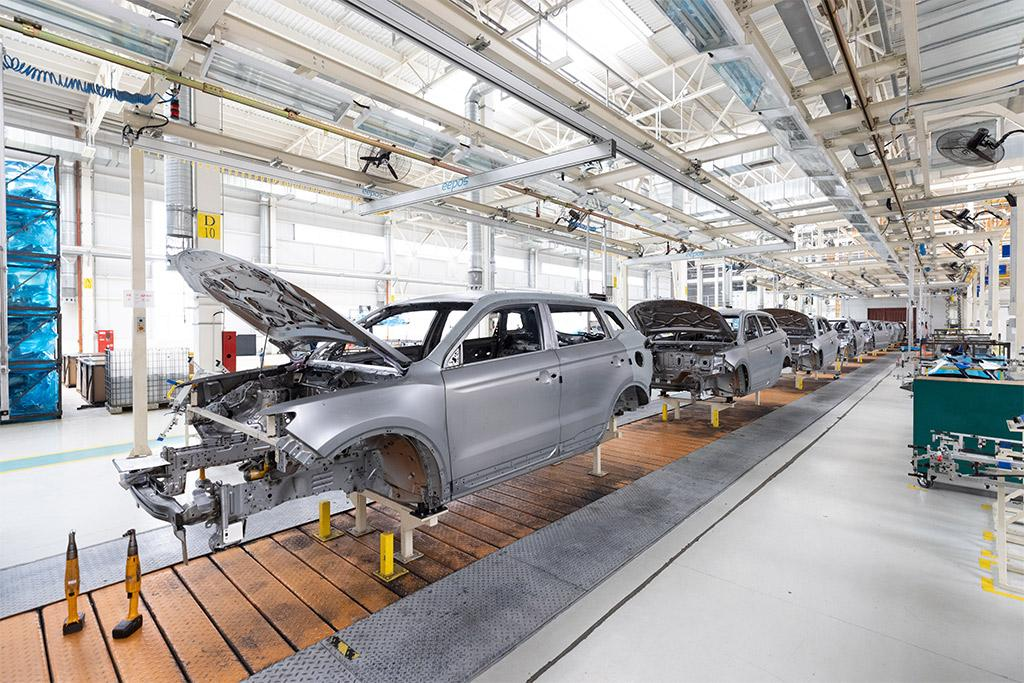
Heavy machines roll differently now, so molten metal finds new paths. Efficiency knocks harder each year – sustainability follows close behind. Performance reshapes molds before they even cool.
Heavy things slow cars down. So makers now swap in lighter metals like aluminum, sometimes magnesium, which cuts pounds. Less bulk means less gas burned over time.
Out in the open, electric cars are becoming harder to ignore. These machines need fresh kinds of metal parts – battery cases here, engine shells there – built not just to last but to handle heat smartly.
One big piece takes shape instead of many small ones. Through this method, automakers save steps during building. A single pour replaces what once needed dozens of fittings. Fewer pieces mean less work putting them together. Whole sections now form in one go. Cost drops when factories need fewer workers to join components.
Machines doing tasks once done by hand – that shift keeps changing how metal parts get made. Factories now full of gadgets that watch every step, feeding numbers to systems almost instantly. These setups catch issues before flaws spread, adjusting on their own without waiting. Information flows fast, linking each stage so problems slow things down less often.
Furnaces that save power show up more often now. Because of this, factories reuse leftover metal instead of tossing it away. Less trash gets made as a result, helping air and water stay cleaner.
Out of nowhere, simulation tools have started reshaping how engineers build molds. Because flaws show up early, fewer tests are needed down the line. Efficiency climbs when guesses get replaced by data. Production runs smoother once virtual models catch problems first.
Out of nowhere, additive manufacturing shakes up traditional casting methods. Molds begin taking shape through 3D printing instead of old techniques. Prototypes appear faster because of it. Development time shrinks while expenses drop at the same rate.
Faster changes in rules push casting methods to shift. Because of this, parts for vehicles must grow tougher while shedding weight – greener results matter now. Tougher materials appear alongside thinner designs; cleaner outcomes follow.
5. Where can I find a casting company that produces auto parts?
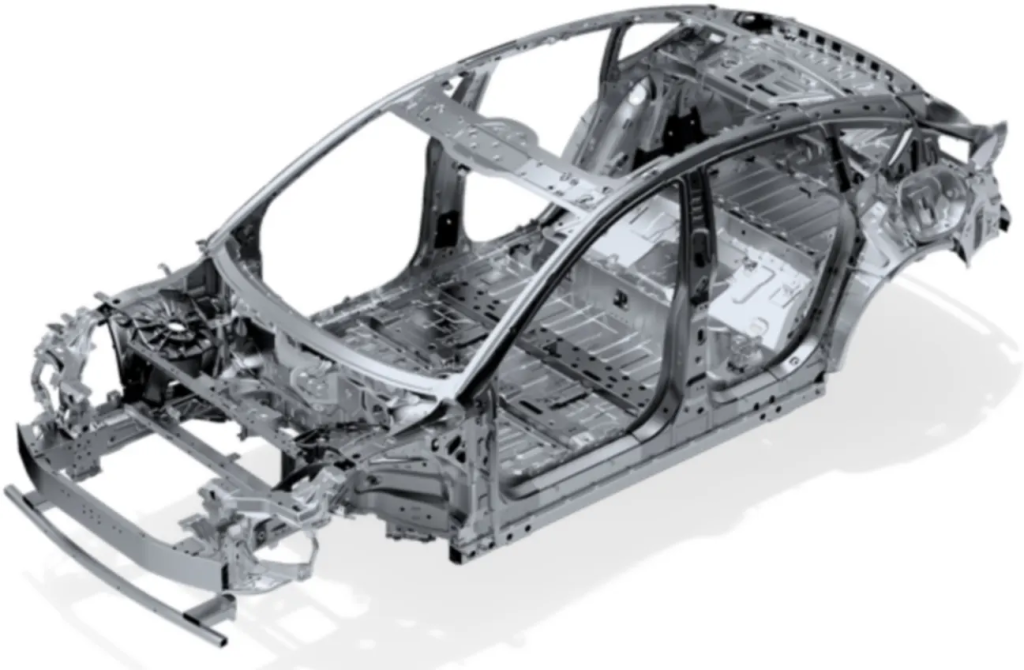
Start by picking a foundry that fits your needs when hunting for car components. A dependable vendor shapes how well things run, what they cost, plus long-term trust in results. Success hides in details only careful choices reveal.
Figure out exactly what you’re after first. Think about the kind of material involved, along with how it will be cast. Production numbers matter just as much as the method used. Quality expectations shape everything that follows.
Start by checking which firms have worked with car makers before. Firms holding credentials like ISO/TS often handle tough quality rules better. Though not guaranteed, past work in autos can signal reliability. Meeting high standards tends to come easier to those already certified. Experience matters when the bar is set so high.
Start by looking at how the factory works. Instead of just one method, pick a foundry that uses several techniques. Equipment matters too – modern tools often mean better results. Quality checks done inside the shop add reliability. Having control over testing helps avoid surprises later.
Start by looking at past performance along with what customers say. Firms you can count on usually work closely with car makers over years, delivering steadily without gaps.
Close to home, a supplier might save you money on delivery. Yet moving goods across oceans sometimes cuts expenses more. Distance shapes time frames just as much as price tags do. Markets pull companies in different directions at once.
When things get tricky, help matters. Right from sketching ideas through building models and making finished items, a solid partner stays close by your side. Their presence makes all the difference.
At trade shows, casting firms often show up. Since you’re there, checking out what each supplier offers becomes easier. One thing leads to another when you can touch and test materials on site.
Out there on digital sites, plenty of foundries show up through B2B networks. Still, checking each one’s background matters just as much as finding them.
Whatever works out in the middle tends to matter most when picking a foundry. A steady connection with your provider often brings fewer hiccups down the road. Matching their capabilities to what you actually need keeps things moving without extra cost piling up.
Conclusion
Still today, casting shapes much of what moves cars forward. Though methods shift, the core idea holds strong across factories worldwide. Engine blocks once ruled the process – now battery housings take their turn. Change creeps in slowly, yet each step keeps durability front and center. What began decades ago now supports electric frames just as well. Progress isn’t loud; it shows up in molten metal poured with quiet precision.
When you know how things work and where they’re used, choices get clearer – no matter if your job involves designing, purchasing, or running a company. With industries now focusing on lighter materials, electric systems, and greener methods, casting won’t just stay relevant – it’ll become essential.
Starting with the correct method to form metal shapes sets a strong base. A dependable partner in production helps keep standards high. When fit together well, these choices deliver car components ready for what comes next. Tomorrow’s tough requirements? Handled through smart decisions now.
 English
  Spanish
  Portuguese
  French
  German
  Italian
  Arabic
  Russian
  Korean
  Japanese
  Indonesian
  Chinese