
Indice dei contenuti
Lost foam casting has become one of the most influential modern casting technologies due to its ability to produce exceptionally complex metal components with outstanding accuracy. Manufacturers across automotive, aerospace, machinery, energy, and industrial equipment rely on this method to reduce machining, improve design flexibility, and lower production costs. As industries push toward lighter, more efficient, and more integrated components, lost foam casting has gained significant relevance.
Customers performing this search typically want to understand how the process works, why it is considered efficient, and whether it can improve their manufacturing operations. They may be engineers comparing casting methods, buyers looking for suppliers, or business owners researching cost-effective production techniques. This guide breaks down everything they need to know from the history and types of lost foam casting to its applications, quality-testing methods, and advantages all in simple, clear sections.
What is Lost Foam Casting?
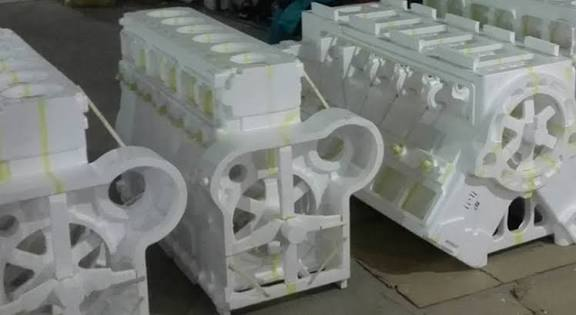
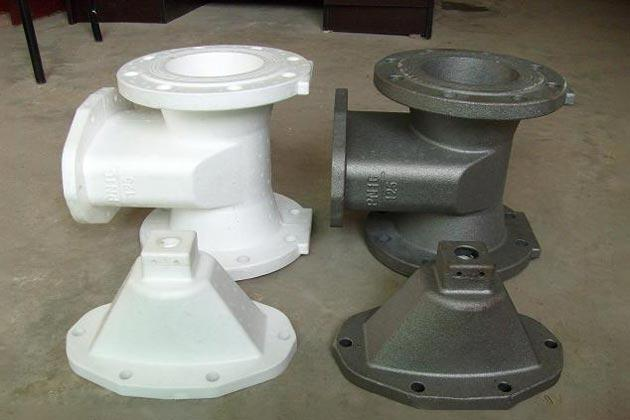
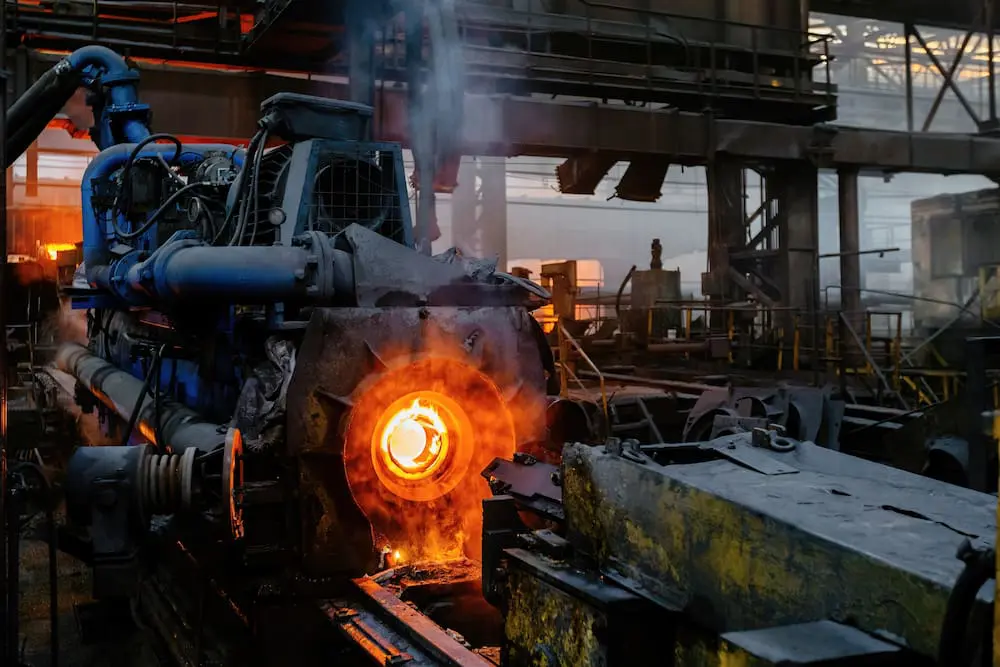
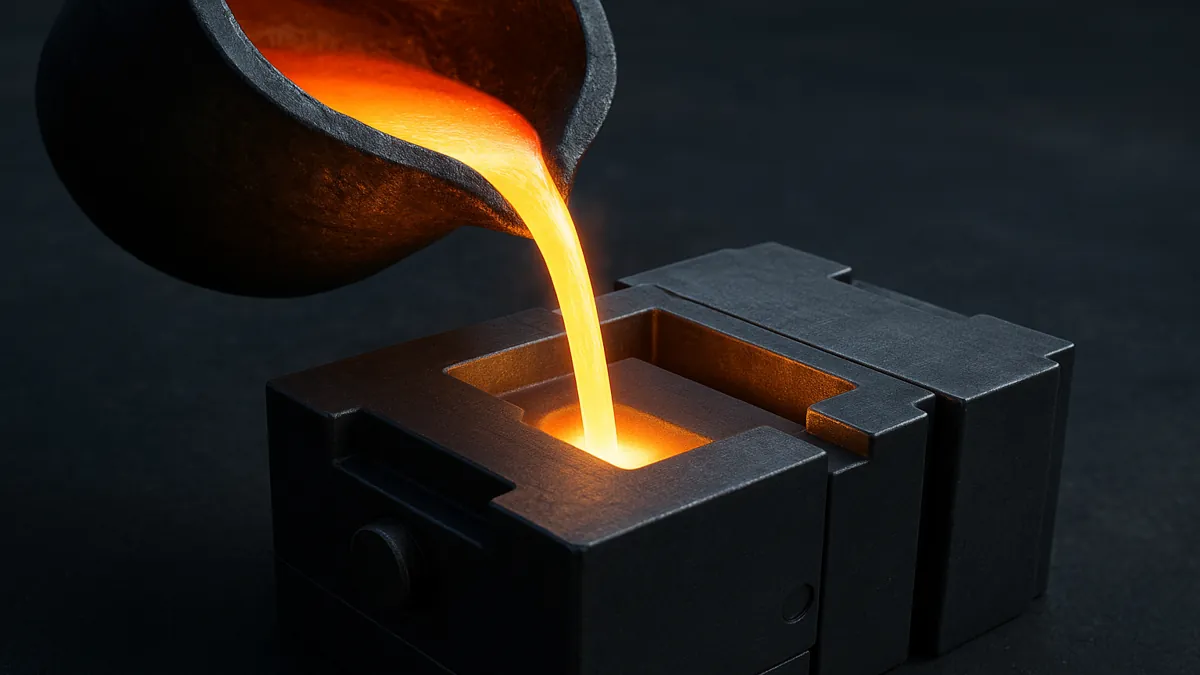
Lost foam casting is an advanced precision casting process that uses a foam replica of the desired metal part as the pattern. This foam pattern is coated with a ceramic slurry, dried, placed in unbonded sand, and then filled with molten metal. As the metal enters the mold, it vaporizes the foam, completely replacing it and forming the final metal casting. This method eliminates the need for cores, parting lines, and complex mold assemblies.
The process begins with creating the foam pattern using expanded polystyrene (EPS) or expanded polypropylene (EPP). EPS is most commonly used because it is easy to mold and machine, retains accuracy, and delivers consistent dimensional stability. These foams allow designers to incorporate detailed internal geometries without needing multiple mold components.
One of the defining benefits of lost foam casting is the ability to produce extremely complex shapes. Features like deep cavities, thin walls, internal channels, and multi-level surfaces can be formed in a single step. Traditional sand casting or investment casting may require multiple molds, cores, or assemblies to achieve the same level of detail. Lost foam casting, by contrast, consolidates all these elements into one seamless foam pattern.
History of Lost Foam Casting
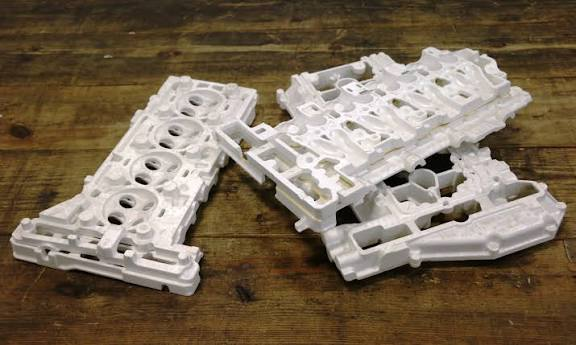
The concept of lost foam casting was introduced in 1958 when Harold F. Shroyer patented the use of foam patterns for metal casting. Shroyer’s discovery came from experimenting with polystyrene foam as a disposable pattern material. When he poured molten metal directly onto a foam pattern, he observed that the foam vaporized cleanly, leaving behind an accurate metal shape. This breakthrough demonstrated that foam could replace traditional wax or wooden patterns in certain applications.
In the 1960s and 1970s, researchers began refining foam materials and improving coating techniques to stabilize the pattern during pouring. Although early adoption was slow, the process gained traction among foundries searching for ways to reduce mold complexity and machining. Foam patterns provided an elegant solution for producing complex geometry without needing multiple cores.
By the 1980s, the automotive industry recognized the process’s potential and began implementing it for engine blocks and transmission components. The ability to cast thin walls, reduce part weight, and achieve smooth internal surfaces made lost foam casting ideal for producing high-performance parts. Major automotive manufacturers invested heavily in developing industrial-scale lost foam production systems.
In the 1990s and 2000s, technological improvements such as advanced EPS molding equipment, sophisticated coating formulations, and computer-controlled compaction systems revolutionized the process. Lost foam casting expanded into aerospace, energy, defense, and heavy machinery industries. Today, it is considered one of the most efficient modern casting processes for complex parts.
Lost foam casting continues to evolve as new materials, automation systems, and digital design tools improve pattern accuracy, surface quality, and metal flow control. Its ability to meet modern performance demands ensures it remains a critical manufacturing method for decades to come.
Types of Lost Foam Casting
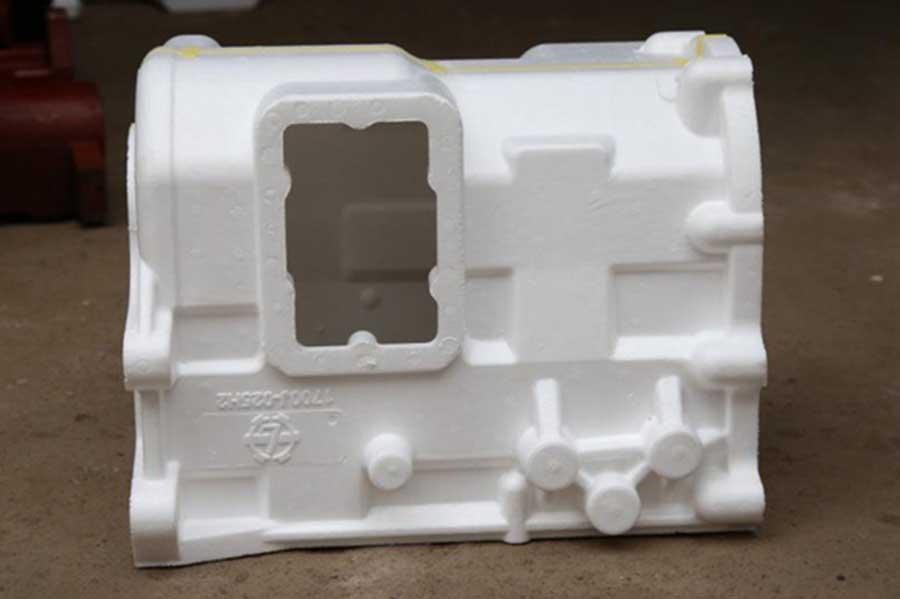
Before exploring specific types, it’s important to understand that lost foam casting can be adapted to different production environments. The type chosen depends on casting size, material, complexity, and production volume. Each method offers unique advantages that support different industrial requirements.
Expanded Polystyrene (EPS) Lost Foam Casting
EPS lost foam casting is the most widely used type because EPS is lightweight, easy to mold, and dimensionally stable. EPS beads are expanded with steam and injected into aluminum pattern molds to form the foam shapes. EPS patterns can be created in large quantities, making them ideal for mass production.
They are also easy to machine using CNC tools for prototypes or low-volume projects. Because EPS is stable at low densities, it produces predictable vaporization behavior when exposed to molten metal. This makes EPS patterns highly reliable for aluminum and cast iron casting.
Expanded Polypropylene (EPP) Lost Foam Casting
EPP is known for its toughness and ability to spring back after deformation. This makes EPP patterns suitable for large parts where handling strength is important. While EPP patterns can be harder to coat due to their flexibility, they perform exceptionally well in high-volume production environments.
EPP also works well with heavier metals such as steel, where pattern stability is essential. Its improved structural integrity reduces the risk of deformation during pattern assembly or sand compaction.
Hybrid Foam Casting Systems
Hybrid systems combine EPS and EPP materials to achieve a balance of strength, accuracy, and cost. For example, complex internal features may be made from EPS for precision, while outer sections requiring strength are made from EPP. These hybrid designs provide excellent overall performance for difficult castings.
Hybrid systems are especially useful for large machinery parts, agricultural components, and heavy automotive castings.
Full-Mold Casting
Full-mold casting is a related method where an entire foam mold rather than individual patterns is used to produce a casting. This approach is ideal for oversized castings or parts with integrated assemblies. Full-mold systems eliminate assembly time and allow for extremely large structures.
This type is used in shipbuilding components, construction machinery, and industrial housings where size and strength are critical.
Precision Foam Machining
Some foundries use CNC machining to shape foam blocks into highly detailed patterns. This allows for fast prototyping and small-batch production where molded foam tooling would be too expensive. CNC-machined foam patterns offer exceptional accuracy and customization.
This type supports industries requiring prototypes, test parts, or specialized low-volume production runs.
What are the Advantages of Lost Foam Casting?
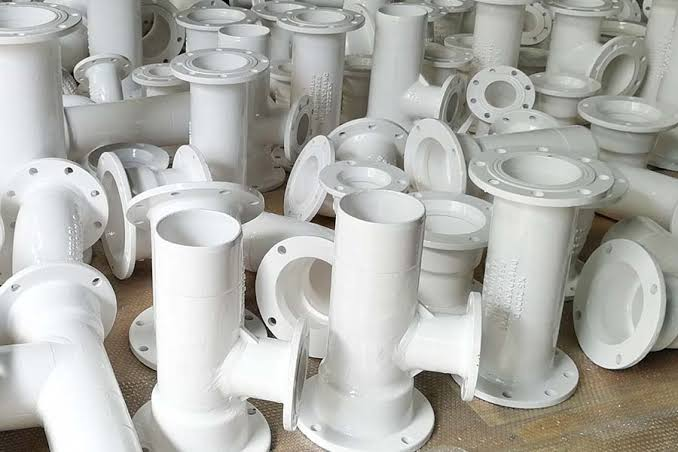
Before exploring the breakdowns, it’s important to understand why lost foam casting has gained popularity across major industries. These advantages come from its unique ability to eliminate traditional mold complexities and deliver superior design freedom.
1. Ability to Produce Complex Shapes
Lost foam casting excels at creating intricate geometries with internal passages and thin walls. Designers can create integrated structures without needing cores or splits. This significantly reduces machining and assembly.
2. Excellent Surface Finish
The ceramic coating used on foam patterns gives a smooth, high-quality surface. This reduces finishing time and improves product appearance. Many parts require little to no machining.
3. Reduced Material Waste
The foam evaporates completely, and the sand is reusable. This minimizes waste and makes the method more environmentally friendly. Foundries appreciate the lower cleanup requirements.
4. Lower Production Costs
By eliminating cores and minimizing machining, material and labor costs drop. Multiple components can often be combined into one casting. This enhances efficiency and lowers total production expenses.
5. Design Flexibility
Engineers gain freedom to innovate. Features like deep cavities, curved channels, and complex intersections are easy to produce. This supports modern lightweighting strategies.
6. Strong Dimensional Accuracy
Foam patterns maintain high dimensional stability. This results in repeatable accuracy for high-volume production. Manufacturers rely on this when tolerances are critical.
7. Lower Tooling Costs Compared to Investment Casting
Lost foam tooling is simpler and cheaper than the ceramic-shell tools used in investment casting. This makes it more cost-efficient for medium- to large-sized parts. Tooling can also be modified more easily.
Applications of Lost Foam Casting
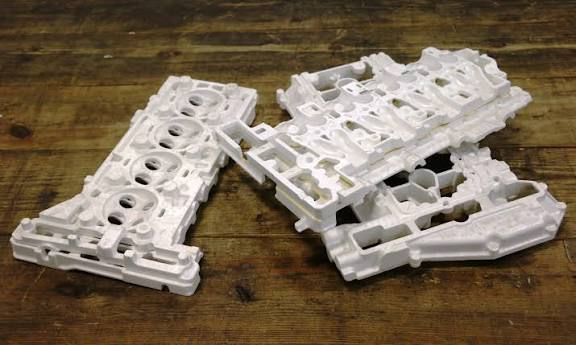
Before breaking down the applications, it’s important to understand that lost foam casting is chosen mainly when complexity, accuracy, and weight reduction are required. Industries that demand tight tolerances and innovative geometries benefit most.
Automotive Components
Lost foam casting is widely used for engine blocks, cylinder heads, intake manifolds, and suspension parts. It provides excellent dimensional accuracy, reducing machining. Automotive manufacturers value its ability to create lightweight, fuel-efficient components.
Aerospace Structures
Aerospace parts often require internal channels, thin walls, and high strength. Lost foam casting allows these complex structures to be created with fewer steps. This supports fuel efficiency and aerodynamic performance.
Machinery and Industrial Equipment
Housings, compressors, valves, and pump bodies benefit from the method’s high accuracy. These parts must perform reliably under pressure. Lost foam casting ensures stable, repeatable quality.
Energy and Power Generation
foam casting. These parts must withstand high temperatures and stress. The method’s precision supports long-term reliability.
Agriculture and Construction Equipment
Many agricultural and construction parts include rugged structural shapes. Lost foam casting produces levers, panels, and heavy-duty housings. These components must survive harsh environments and heavy workloads.
Railway Components
Rail systems require durable and precisely shaped parts such as braking components and coupler housings. Lost foam casting provides both durability and accuracy. It also helps reduce vibration and noise in railway assemblies.
Marine and Shipbuilding Components
Large boat engine parts, pump housings, and marine brackets benefit from the ability to produce corrosion-resistant alloys. Lost foam casting supports large castings with fewer defects. This is essential for marine applications where failure cannot occur.
Robotics and Automation
Robotic systems require lightweight, strong, and geometrically complex components. Lost foam casting supports integrated shapes that traditional casting cannot produce. This helps build more efficient, responsive robots.
How to Test the Quality of Lost Foam Casting?
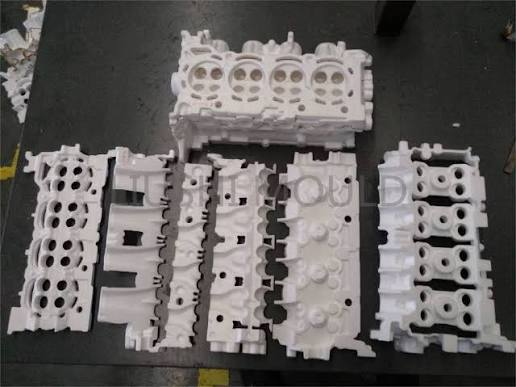
Before reviewing the breakdown, it helps to understand that lost foam casting involves both surface-level and internal testing. Each method ensures that the casting meets mechanical, dimensional, and structural standards.
Ispezione dimensionale
Dimensional checks ensure the casting matches its CAD model or engineering drawings. Tools like coordinate measuring machines (CMMs), laser scanners, or manual gauges verify accuracy. These inspections prevent fitment issues during assembly and guarantee interchangeability in mass production.
X-Ray or Radiographic Testing
X-ray testing reveals hidden defects such as porosity, shrinkage cavities, or internal inclusions. These issues can weaken the part or cause failure under stress. Radiographic inspection is essential for aerospace, automotive, energy, and critical machinery components that cannot risk failure.
Ultrasonic Testing (UT)
Ultrasonic waves travel through the metal and reflect off internal imperfections. UT can detect cracks, voids, lack of fusion, and density inconsistencies. It is fast, accurate, and non-destructive, making it ideal for thick or heavy components.
Surface Finish and Visual Examination
Surface inspection involves checking for roughness, penetration defects, ceramic residue, and irregularities. A good surface finish indicates proper coating and metal flow. Visual examination also detects warping, shrinkage, or cold shuts.
Mechanical Properties Testing
Mechanical testing includes tensile strength, hardness, impact resistance, and elongation testing. These tests confirm whether the casting meets the required engineering specifications. They are especially important for structural components exposed to mechanical stress.
Pressure and Leak Testing
For components like pump housings, valves, and engine casings, pressure testing ensures the casting can withstand fluid or gas pressures. Leak testing verifies that internal channels are free from cracks or porosity. This is critical in automotive, fluid control, and hydraulic systems.
Metallographic Examination
Metallography involves cutting a sample of the casting, polishing it, and examining it under a microscope. This reveals grain size, phase distribution, defects, and impurities. Metallography helps diagnose casting process issues and verify material quality.
Where to Find a Good Lost Foam Casting Company?
Choosing a strong supplier ensures consistent results, high quality, and reliable production timelines. A professional casting company should offer advanced equipment, skilled engineers, strong quality control systems, and experience across multiple industries.
Fuchun Casting is an excellent choice for companies looking for a reliable lost foam casting supplier. With advanced production facilities, professional engineers, and years of casting expertise, Fuchun provides precision castings for global customers. Their commitment to quality, technical expertise, and long-term reliability make them a trusted partner for complex casting projects.
When evaluating suppliers, look for certifications, material capabilities, engineering support, and previous work examples. A skilled supplier will help reduce costs, shorten lead times, and ensure your project meets performance standards.
Sintesi
Lost foam casting is a modern, flexible, and highly efficient casting process that enables the production of complex, lightweight, and accurate metal components. Its ability to eliminate cores, reduce machining, and support innovative design makes it ideal for automotive, aerospace, energy, machinery, robotics, and many other industries. With proper quality testing and an experienced supplier like Fuchun Casting, manufacturers can achieve exceptional performance and reliability.
This advanced casting method continues to grow as industries demand more precise, efficient, and cost-effective solutions — making lost foam casting one of the most important technologies shaping the future of metal manufacturing.

 Italian
  English
  Spanish
  Portuguese
  French
  German
  Arabic
  Russian
  Korean
  Chinese