
Table of Contents
Continuous casting can be considered a breakthrough in the working of metals. In continuous casting, it is possible to change liquid metal material to semi-fabricated in a very short time. The relevance of internet search queries about continuous casting can increase a lot for many technical, factory management, or procurement-level professionals by bringing more productivity, minimizing waste, or maintaining product quality. The present handbook will try to provide comprehensive details about continuous casting that may include but is not limited to definition, history, categories, processes, benefits, uses, product quality assessment, or advice for project-related associates.
What is Continuous Casting?
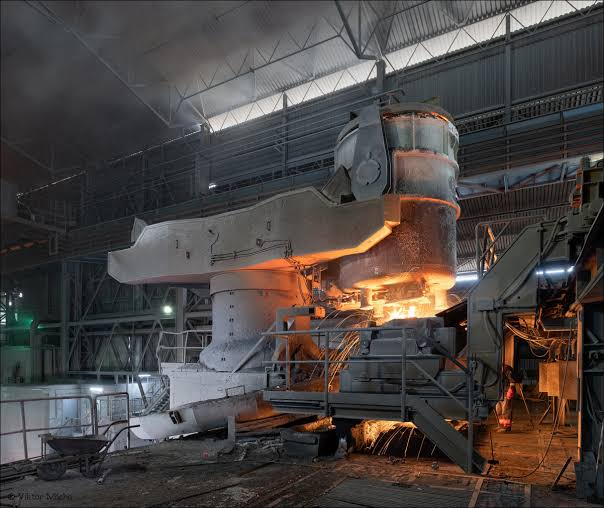
Continuous casting is a process in which a molten metal is solidified into a semi-finished steel product for further processing.
Mayer Hackman
This is, in fact, an advanced metalworking technology, in which the hot liquid metal is cast into solid semi-product slabs, billets, and blooms. Basically, this differs from ‘ingot casting’ because, while in ingot casting the hot liquid metal is cast into molds and cast in lots, in continuous casting there is a continuous input of hot liquid metal into a water-cooled mold.
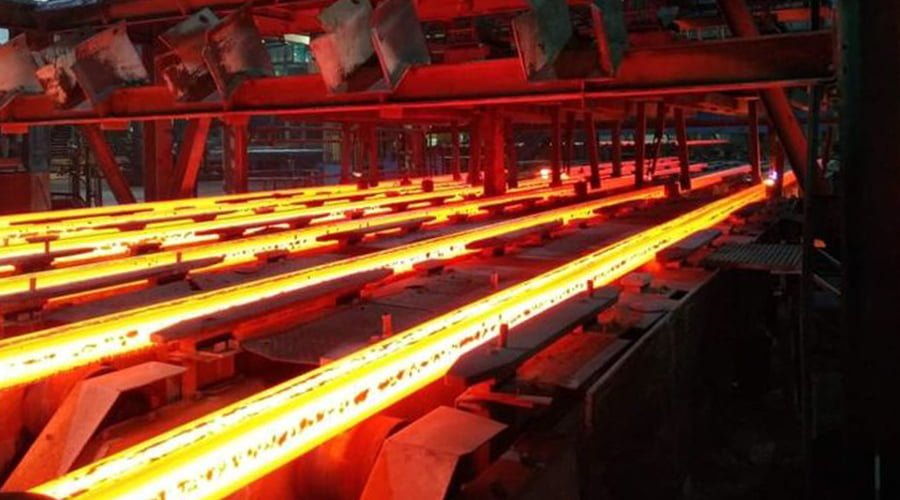
In the process of leaving the mold, the outer layer of the metal hardens, with the core remaining semi-liquid. As the strand cools down when falling, a piece is formed that can then easily be cut into the needed size for rolling, forging among other applications.
Present-day technology in continuous casting now involves highly advanced control systems, which include temperature, flow rate, mould oscillation, and secondary cooling. These allow for the control of microstructure formation and segregation, void, and crack defects.
The general application of continuous casting is done to steel, aluminum, copper, and other non-ferrous alloys. For steel, this technology has enabled the manufacture of slabs into plates and sheets, billets into rods, bars, and blooms into structural shapes. Improved strength properties, electrical conductivity, and cold workability are the key benefits of aluminum and copper alloys.
History of Continuous Casting
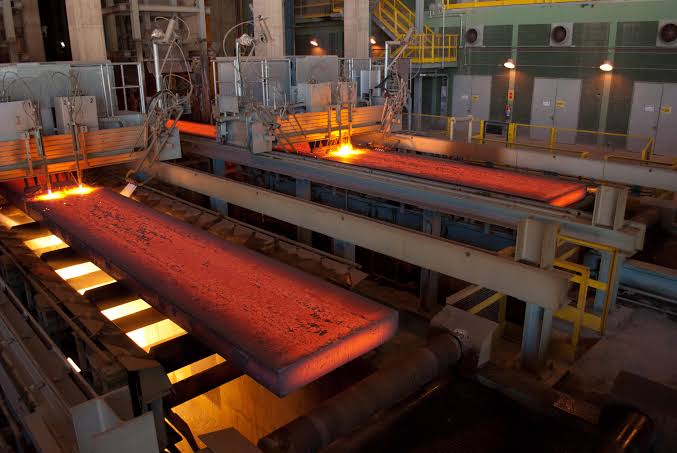
How this continuous casting has come to be is based on the understanding behind why this production process is the most used currently in the world for metal production. Early developments began in the mid-19th century, where one conducted experimental work in order to try and solidify molten metal between rotational parts.
The large-scale continuous casting processes became operational in Japanese and European steel works by the 1950s. The important developments in this case include water-cooled molds, roller withdrawal, and flow control. Continuous casting is less wasteful of material and energy compared to the ingot process of casting.
Technologies Available
With the introduction of mold oscillation, secondary cooling zones, and automation in the 1960s and 1970s, the quality of the castings was improved with a reduction of defects, which also made multi-strand casting practical. This, in turn, helped mass production and also alloy creation for purposes of automobile production by continuous casting processes.
By the end of the 20th century, continuous casting had become a worldwide practice. In fact, modern plants are completely automatic, starting from the process of creation and solidification of molten metal to, of course, metal forming, which produces thousands of tons of metal every day.
Types of Continuous Casting
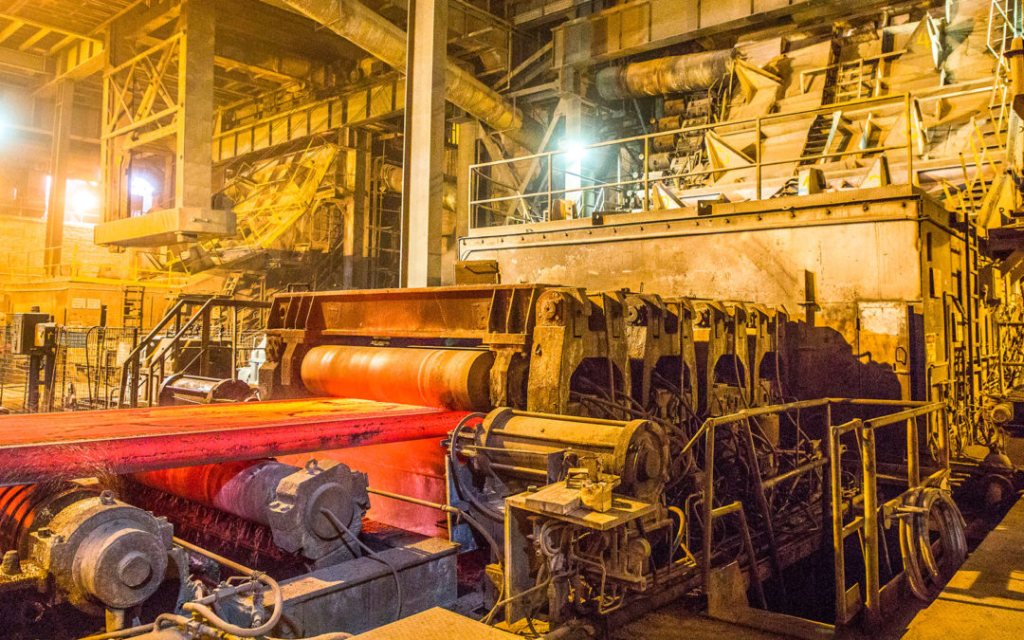
There are various methods of continuous casting. They depend on the shape of the end product, among other things. This knowledge is very essential to manufacturers as it enables them to select appropriate equipment and technologies.
Slab Continuous Casting
The continuous casting is a process in which wide slabs of product are produced which are further rolled into sheets, plates, or coils. Such slabs find applications in construction, shipbuilding, and manufacturing vehicles.
These rollers used for slab casting are capable of giving high output with consistent thickness and width of the product to be processed further.
Billet Continuous Casting
The billet casting is designed to form the squares or almost square sections for bars, rods, and several reinforcing materials. In most instances, the billet casters work with multiple strands so that the efficiency of work can be higher. Billet casting can create materials that are strong, of even sizes, and economical.
Bloom and Beam Blank Casting
A bloom is a medium-sized casting for making beams and rails. A beam blank is a near net shape casting for making I-beams and H-beams. Such casting techniques result in less intermediate processing but ensure high accuracy of dimensions as well as properties.
Continuous Casting Process
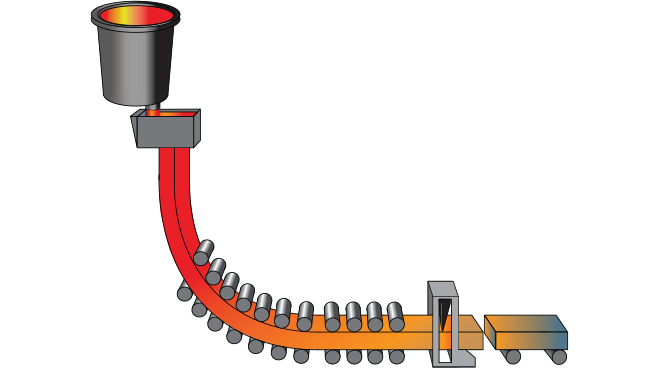
There are several continuous casting of metals processes involved in determining the end quality of the metal that is going to be produced, such as the molten metal preparation process to the cutting process of the strand, among many other processes involved in metal casting.
Preparation of the Molten Metal
The first process basically comprises smelting, where the materials are heated in a furnace till they melt. The process then comprises refinement, which basically aims at the elimination of sulfur, phosphorus, and gases in the melted metal. The chemical contents are also controlled since, in most cases, chemical changes can have adverse effects on metal strength, ductility, corrosion, and ease of processing, especially in situations where different types of metal are produced.
The molten metal is then subjected to heat treatment at the most appropriate temperature suitable for casting. The cast metal is then poured into the tundish. The tundish is a container lined with refractory placed between the pouring fountain/ladle and the molds. The main function of a tundish, apart from adjusting the rate of the metal flow into molds, is also to assist in the inclusion floatation, homogenization of temperature, and control of metal flow. All these are very vital in determining the quality of surface finish and internal cleanliness of the cast metal.
Mold Solidification and Secondary Cool
The hot metal coming out of the tundish flows through a copper mold cooled with water whose form decides the slagless product: slab, billet, or bloom. Due to contact between the steel and the surfaces of the mold, steel begins cooling and hardening rapidly as a result of the mold surfaces, forming an outer shell. This outer shell requires strength since it holds a liquid core of steel together at the time it is emerging from the mold, thus protecting it from breakouts.
As the strand comes out of the mold, it enters the secondary cooling zone, where the heat may be removed by water spray, air-mist cooling or by cooling jackets. The purpose of the secondary cooling stage is to cause solidification from the outer edge to the inner part. However, the uncontrolled cooling can cause a number of different casting defects like surface cracks, voids, segregation or distortion.
Strand - Strand Extracting and Cutting
Once the strand has developed a sort of mechanical strength, it is regularly taken out of the casting machine with the aid of rollers. In its movement through a curved or straight way, depending on the type of caster, this strand is supported by rollers. There has to be harmony in the rate of withdrawal for this to work in concert with the rate of solidification of the strand. As the strand that has been formed moves to the run-out table, it is cut into regular lengths with the aid of machines like mechanical shears, oxygen-fired torches, and lasers.
Advantages of Continuous Casting
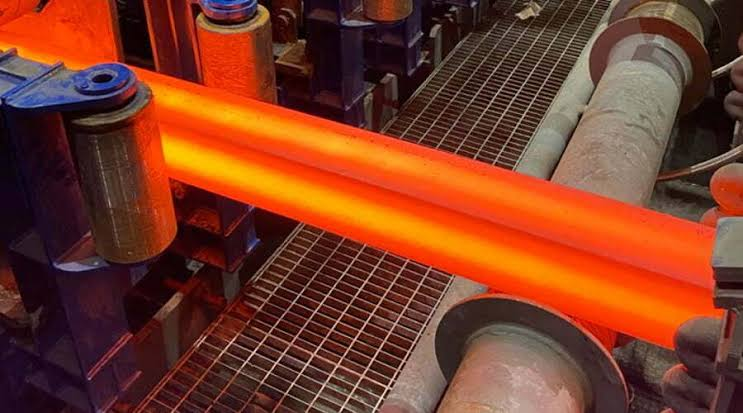
It confers a tremendous advantage over the traditional techniques of ingot casting.
Improved Efficiency and Productivity
The continuous process eliminates repeated handling, reheating, or batch processing. Automation enhances the efficiency of the process with more consistent quality.
Higher metal yield and reduction of wastes. Near-net-shape casting reduces the amount of trimming loss, scrap loss, and machining loss considerably. The yield is a factor that determines cost savings, in turn helping save
Energy Savings
Due to the fact that all operations such as melting, solidification, and shaping are performed all at once, continuous casting minimizes the need for energy-intensive reheating cycles, ensuring sustainability. Controlled solidification produces a homogeneous microstructure with fewer defects. Less post-processing is required for dimensional accuracy and smooth surface finish.
Labor and Operating Costs Lower
Automation involves less human labor and lesser errors by humans. As compared to the conventional way of casting, fewer operators are needed. Thus, the costs are reduced.
Shorter Lead Times
Continuous production allows for a smooth supply chain of semi-manufactured goods with lessened production and lead times, coupled with responsiveness to customers’ needs.
Alloy Production Flexibility
Controllable cooling rates allow for the creation of special alloys with specified mechanical and chemical properties. This helps in supporting high-performance applications in industries such as aerospace, automobile, and medicine.
Applications of Continuous Casting
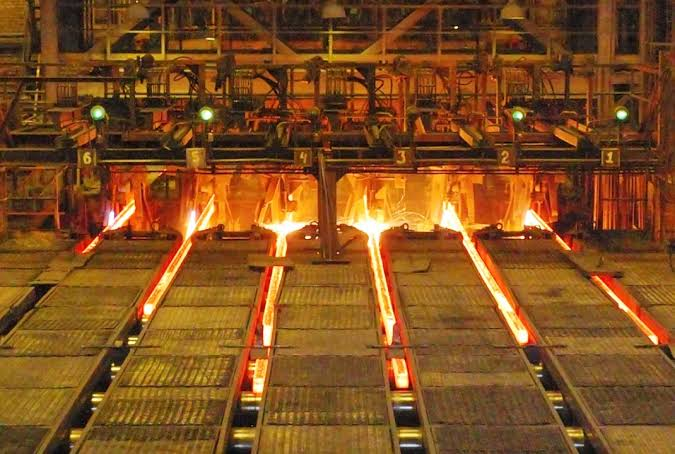
Aside from production,Continuous casting can be applied to any industry.
Steel Industry
Continuous casting of steel processes melted steel into slabs, billets, or blooms that may be further processed into materials used for building construction, machinery, and household goods.
Production of Aluminum and Copper
Also, billet and slab casting methods are widely practiced on aluminum and copper, with their respective excellent mechanical and electrical properties suitable for the automotive, packaging, and electronics industries.
Specialty Alloys & Advanced Materials
Controlled solidification is a desirable state in aerospace, energy, and medical applications of high-perform-ing alloys.
Construction Industry
Some of the cast products, such as beams, columns, and reinforcement bars, are popularly known for offering strength, accurate dimensions, and faster completion times.
Automotive Industry
Automakers use continuous casting processes to make structural components and engine components lighter, safer, and more consistent in their properties.
Shipbuilding and the Heavy Machinery
Plates, beams, and construction shapes manufactured by continuous casting provide the strength required by ships, cranes, and other industrial equipment.
Energy Sector
There are applications in pipelines, wind turbine parts, and power plant components for these high-strength, corrosion-resistant cast products.
Railway Industry
Continuous casting produces rails, sleepers, and structural steel sections that are safer, more durable, and metallurgically superior.
How to Test the Quality of Continuous Casting?
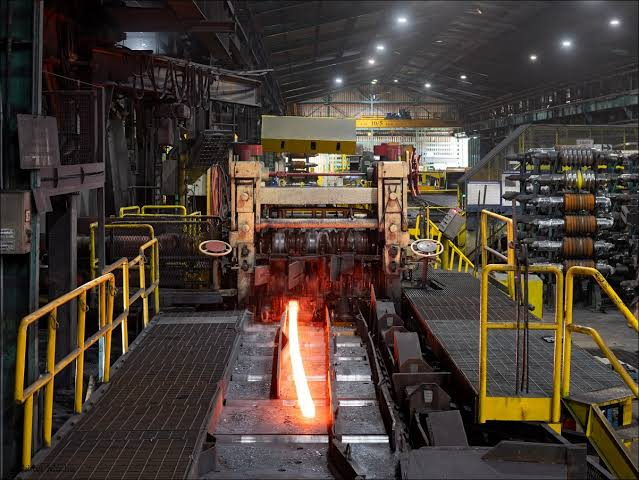
In most manufacturing processes Quality testing is performed in order to ensure that the products of continuous casting meet the requirements for mechanical properties, size, and metallurgical factors.
Visual Inspection
Surface inspections provide indications of any laps, cracks, or inclusions. This is vital to the avoidance of rework and maintaining a stable casting process.
Mechanical Dimensional & Testing
Precision testing instruments check width, thickness, straightness, tension strength, hardness, and resistance to impact as needed.
Metallurgical and Chemical Analysis
Internal structure analysis picks up segregation or porosity, and chemical analysis ensures it will meet required composition.
Finding the Right Continuous Casting Supplier
Finding a reliable continuous casting supplier is quite crucial in terms of quality, consistency, and delivery time. The chosen supplier should have advanced technology, a qualified labor force, and efficient quality control.
Fuchun Casting has experience and expertise in the continuous casting of various metals like steel and aluminum, including other alloys for various industries: construction, automotive, energy, and industrial. They are reliable owing to their implementation of advanced technology and strict testing procedures.
Conclusion
Continuous casting has caused a great revolution in the metal industry by introducing efficiency, quality, and flexibility that are unparalleled. Continuous casting is used for steel, non-ferrous metals, and high alloys for various industries with high standards for performance and reliability.
Knowledge of continuous casting technology, advantages, methodology of testing, and applications leads engineers and purchasers to make informed decisions. A reliable supplier needs to be chosen to ensure quality and long-term success.
Continuous casting is more than a manufacturing process; it is the backbone of modern metal production.

 English
  Spanish
  Portuguese
  French
  German
  Italian
  Arabic
  Russian
  Korean
  Chinese