
Table of Contents
A method called Vacuum Suction Casting makes metal parts very accurately, leaving them smooth with almost no tiny holes inside. When intricate shapes, slim sections, and reliable strength matter, professionals often look into this technique. Instead of investment, die, or sand casting, some find it fits their needs better – depending on what they’re building. From how it works to picking who supplies it, details here cover the full picture without skipping key points.
How Vacuum Suction Casting Works?
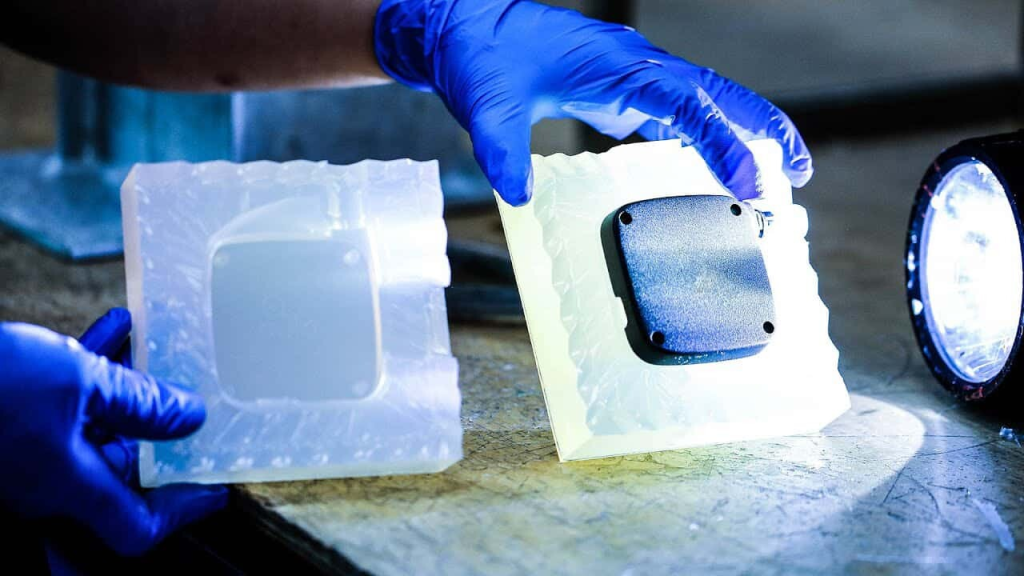
From inside out, suction pulls hot liquid metal through a casting space when air vanishes under vacuum force. Rather than waiting for weight alone to drop material down, pulled flow reaches fine details tightly. Fewer bubbles form since trapped gas escapes before hardening begins. Empty pockets shrink as pressure drops behind moving fronts.
Starting off, exact molds usually handle the job – ceramic shells pop up a lot, kind of like what you see in investment casting. Inside a vacuum, the molten metal moves more smoothly, packing the structure tighter. That tight pack means parts come out stronger, with cleaner surfaces too.
Looking for vacuum suction casting? You’re likely after parts that fit together perfectly. Precision matters most here, where even tiny flaws can cause big issues. Thin walls must hold strong without cracking under stress. Aerospace teams count on it when safety is non-negotiable. Medical device builders use it because consistency saves time later. Machines in factories run smoother with these reliable pieces inside. Automotive work demands clean inner surfaces free of hidden voids. Each detail stays intact thanks to controlled air removal during forming.
Starting off differently, vacuum suction casting beats regular gravity methods by delivering steadier outcomes. When shapes get tricky – think intricate forms – trapped air usually messes things up inside, but here that risk drops sharply. Because of this edge, performance-heavy uses lean on it without second thoughts.
History of Vacuum Suction Casting
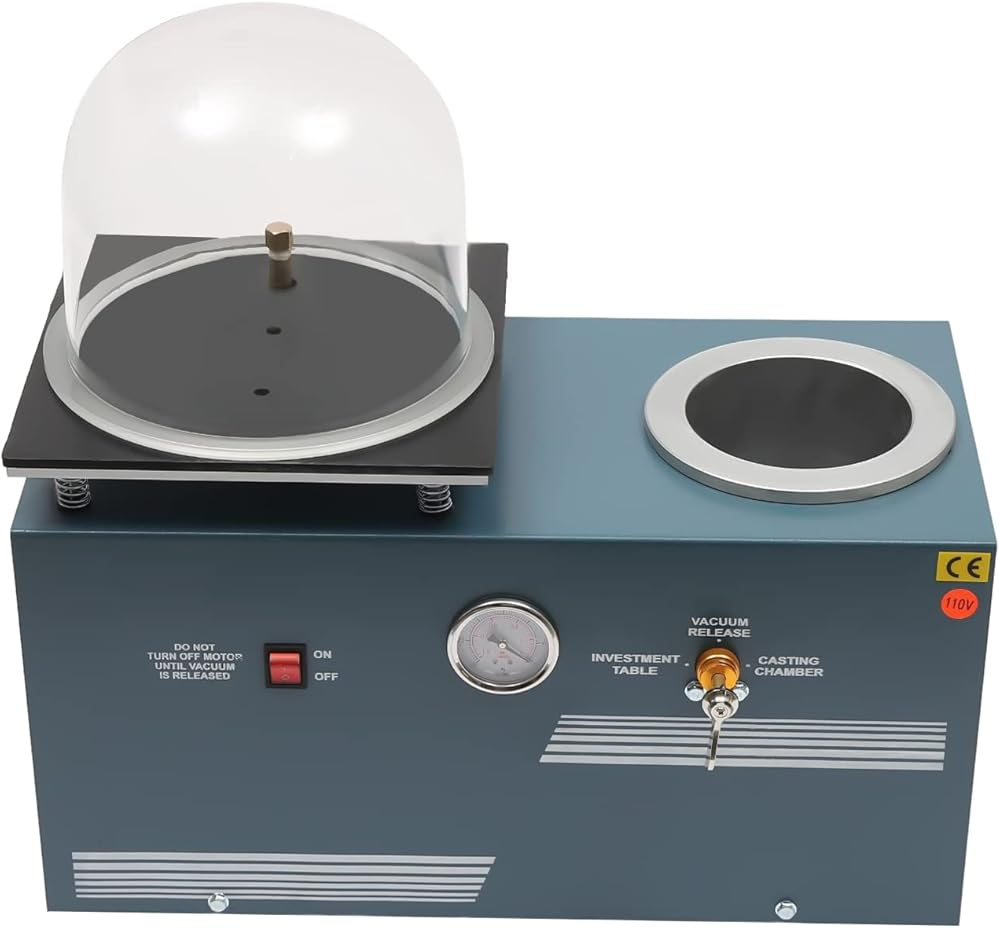
Midway through the 1900s, new methods for pouring molten metal started taking shape. Quality mattered more once factories needed stronger parts. So shops began testing setups that pulled air out during casting. Instead of leaving gaps inside, they tried enclosing molds completely. One approach used airtight boxes where pressure dropped before solidifying. Results improved when airflow stopped interfering. Better flow into detailed shapes followed soon after.
Out of necessity came innovation – aircraft demands pushed vacuum casting forward. Stronger planes needed tougher metals, so materials evolved under pressure. Because quality mattered most, vacuums removed flaws during shaping. Precision stepped up when airless methods took hold.
Faster machines slowly took over, their movements sharper, more exact. With better vacuum pumps came tighter grip on air flow, while sensors tracked every shift in heat. Because of these jumps in tech, pulling metal into molds under low pressure turned profitable. Machines that once struggled now ran steady, thanks to smarter controls watching each step.
From kitchens to control rooms, machines shape our world quietly. Vacuum suction casting stands out where quality cannot bend. Not just pouring metal – this method guides it carefully into place. Precision molds meet steady pressure, making flaws hard to hide. Engineering today demands clean results; this delivers without noise. Tough jobs find answers here, one solid piece at a time.
Types of Vacuum Suction Casting
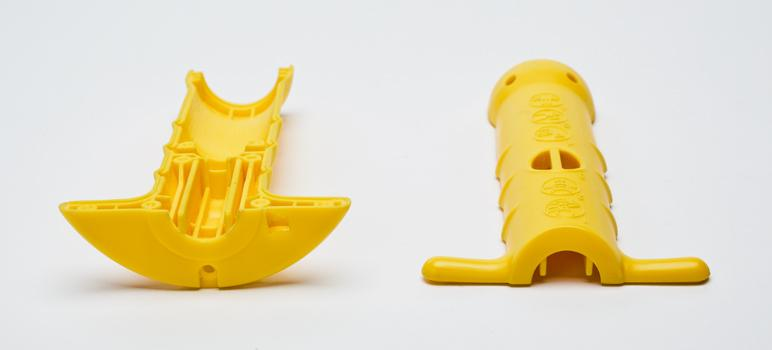
From sand molds to permanent ones, Vacuum Suction Casting shifts shape depending on what it’s made of. Metal choice plays a role too – each alloy behaves differently under pressure. Whether small batches or endless runs, output size changes how the process fits together. Engineers lean on these details when setting up their next build.
Ceramic Shell Vacuum Suction Casting
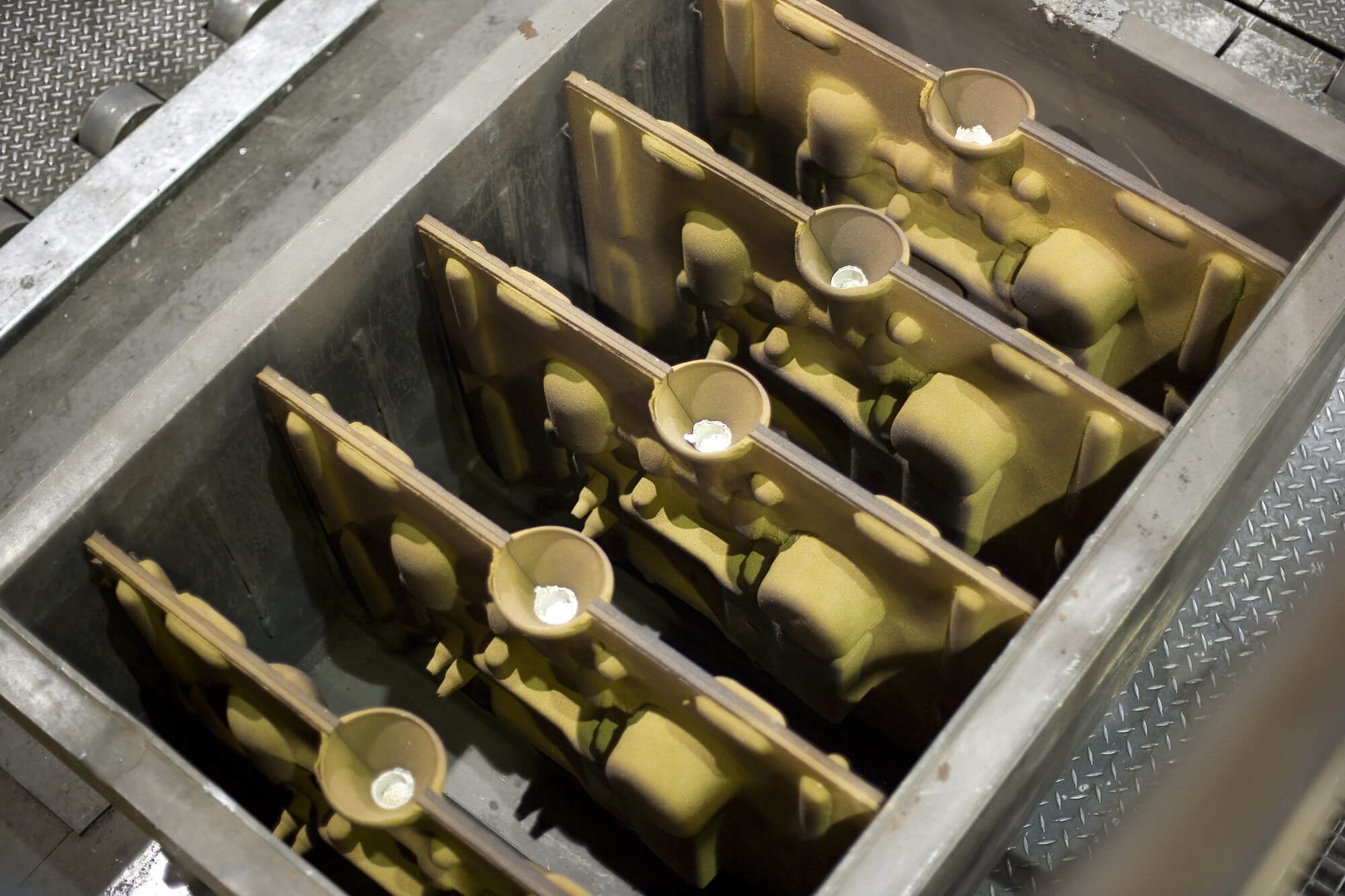
A ceramic shell mold, much like those in investment casting, defines this method. Perfect for intricate forms, it captures delicate surface features well. With a vacuum pulling the flow, liquid metal reaches even the narrowest areas fully.
Sand Mold Vacuum Suction Casting
Fine grains settle slower when weight matters more than shine. Though smoothness lags behind ceramic work, sucking air out packs the material tighter and keeps bubbles low. Bulk jobs lean on sand when mass defines function.
Metal Mold Vacuum Suction Casting
When you need things made many times, these solid metal molds work well under vacuum. Not only do they hold shape across batches, but the process moves quicker than traditional methods. Running them repeatedly doesn’t wear down precision. Speed picks up while measurements stay tight.
Alloy-Specific Variations
A mix of heat and pressure shifts how metals behave under vacuum. When stainless steel meets low air levels, its reaction isn’t like carbon steel’s. Aluminum acts one way – superalloys another. Getting the setup right shapes how strong the result turns out. Wrong settings can quietly weaken the structure.
Product needs shape the choice – complexity, cost, volume matter. Technical sketches guide makers when they suggest fixes. What fits one job might fail another.
Understanding Vacuum Suction Casting Methods?
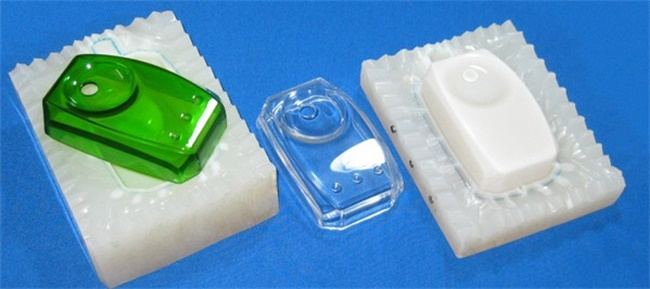
A single misstep during vacuum suction casting can undo weeks of precision work. Though unseen, pressure shifts inside the mold shape outcomes just as much as timing does.
Pattern Making
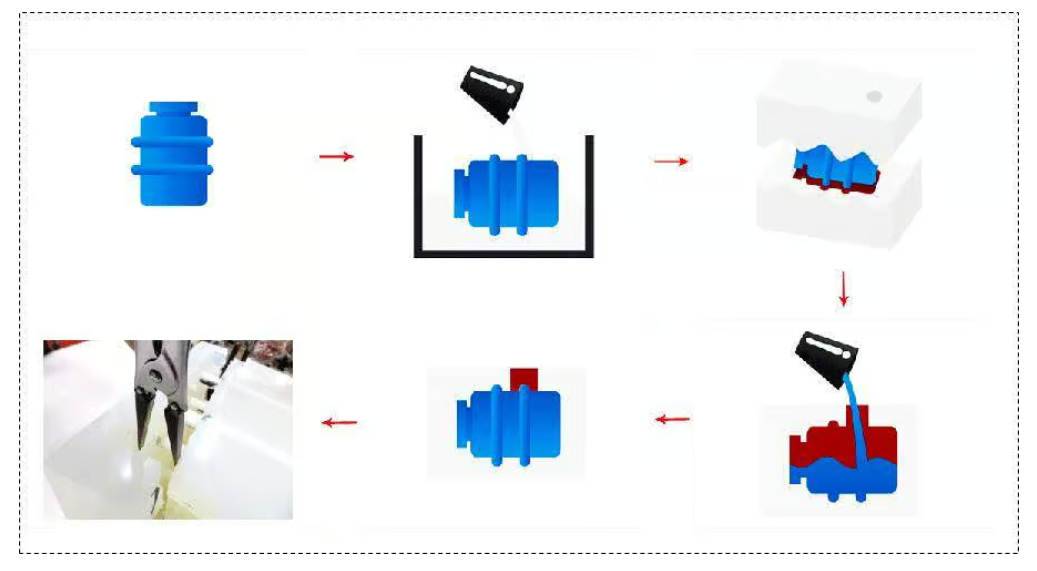
A shape takes form first. Usually wax shapes it, though other bendable stuff works too. What you get looks exactly like the finished part.
Mold Preparation
A thin coat of ceramic mix sticks to the model, followed by a sprinkle of sand. Layer after layer builds up slowly over time. Once thick enough, it firms into a rigid outer shape. Heat removes the inner wax completely. Behind remains an empty space shaped like the original.
Vacuum Setup
A container ready for casting goes into the vacuum room. Sealing happens tight so nothing leaks out. Pressure drops slowly, set just right ahead of the pour.
Metal Melting and Pouring
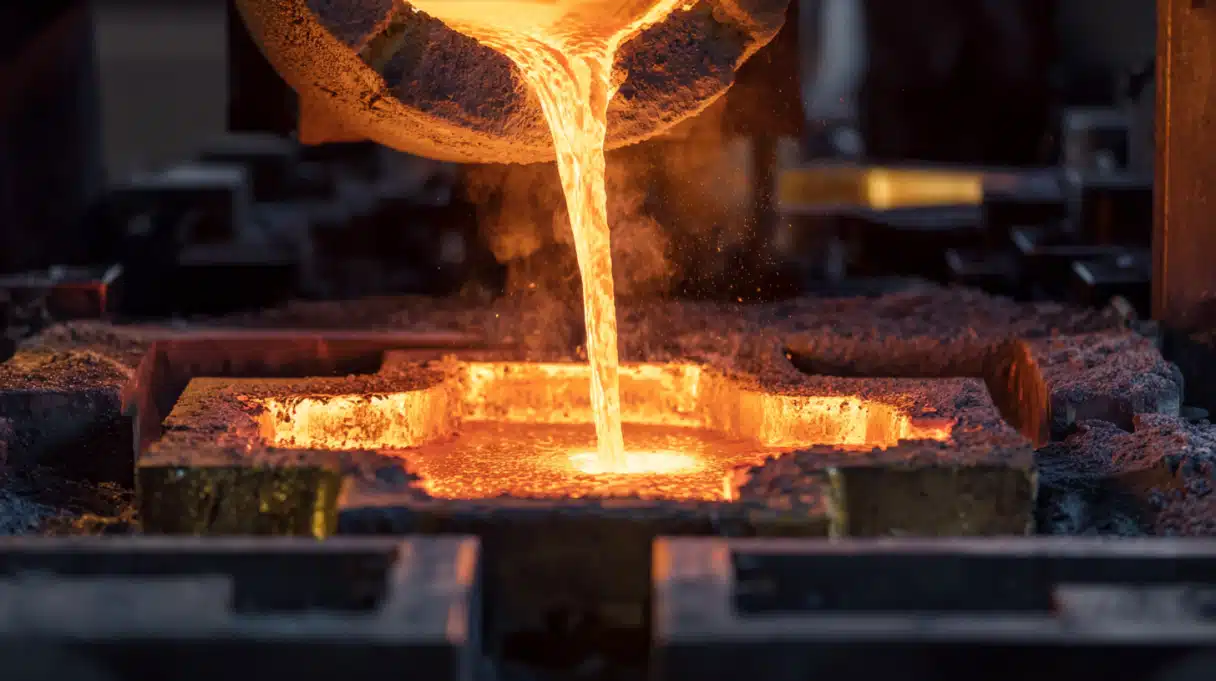
Poured when hot, the metal moves into place inside a sealed chamber. Because air is removed, it slips fully into every corner of the form. Pressure difference pulls it through completely.
Cooling and Solidification
Once filled, the metal hardens as it loses heat within the mold. To reduce gaps from shrinking, cooling happens under close watch. In the first moments of hardening, a vacuum might stay in place.
Removing Shell and Final Touches
After hardening, workers knock off the ceramic mold. Cleaning comes next, then trimming and surface work. Sometimes extra steps happen afterward – machining or heating, depending on need.
Fine adjustments shape how well each phase performs. Not just heat matters – pressure under vacuum plays a role too. Timing enters the picture right alongside them. Success hides in these details, never announced ahead of time.
Advantages of Vacuum Suction Casting?
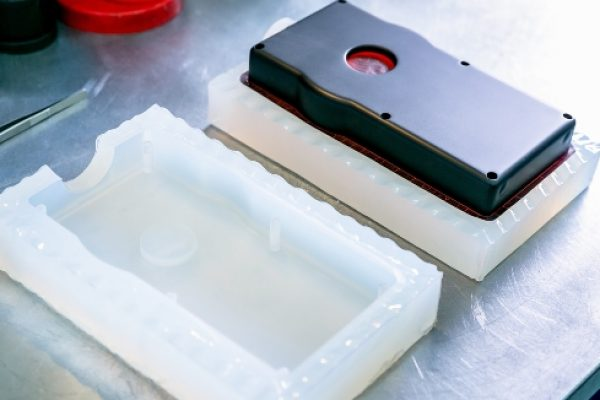
One reason folks look up Vacuum Suction Casting is how it skips some old-school issues. That’s followed by quieter results on the shop floor – less splash, less mess. It moves metal faster than traditional pouring, yet stays steady under pressure. People notice fewer flaws showing up in the final piece. This method also handles thin walls better, almost like it knows where to flow. Little wonder it pulls attention from those tired of rework.
Reduced Porosity
Pulling a vacuum sucks out trapped air and gas inside the mold. Because of this, bubbles form much less often deep within the part. Denser materials take shape. Strength throughout stays more consistent.
Superior Surface Finish
Metal moves easily through the system. Because of this, surfaces come out cleaner. There’s less need for extra work afterward when you look at sand casting methods.
Improved Mechanical Properties
Fatigue resistance improves when density increases, so stronger materials handle stress more effectively. Load-bearing parts benefit most because they endure constant pressure.
Good for thin walls
Filling thin areas – usually tough with gravity casting – works well here. So, lighter, smaller builds become possible.
Better Dimensional Accuracy
Pull from below helps fill molds more completely. Because of this method, detailed forms copy accurately.
Enhanced Alloy Performance
Fine metal mixes often work much better when cast in a vacuum. Because air is removed, unwanted reactions do not happen during shaping.
Reduced Defect Rates
Fewer pores lead to less waste in production. Because of that, factories spend less on materials and finish jobs faster.
Achieving tight tolerances comes naturally with vacuum suction casting. This method stands out where detail matters most. Performance under stress sees clear benefits too. Precision parts take shape reliably every time. High demands are met without compromise. Success shows up in consistency across runs
Using vacuum suction casting in manufacturing processes
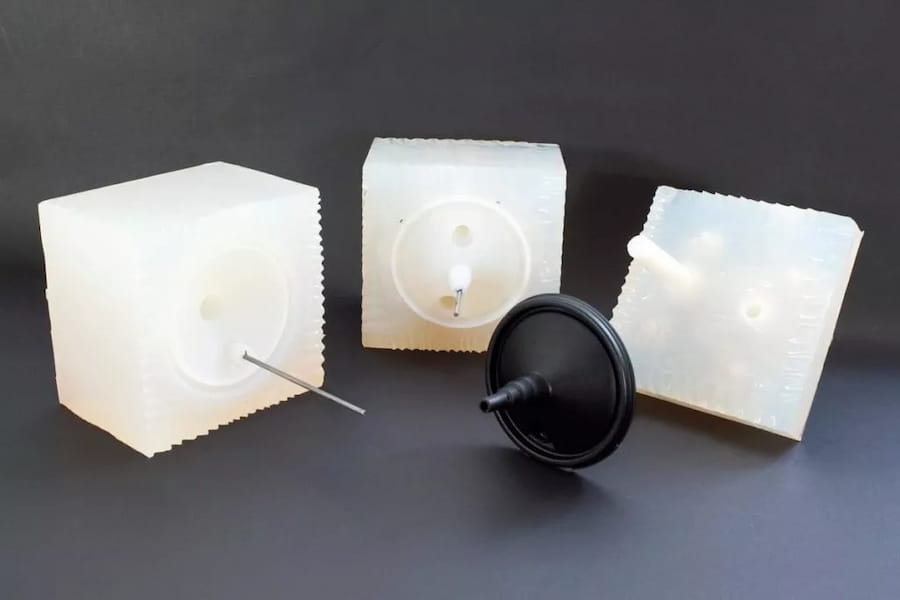
A method relying on vacuum pressure finds its place where precision matters most. Industries choose it when consistency cannot be compromised. With clean pulls and steady flow, performance stays high. Where outcomes must meet strict standards, this approach holds firm.
Aerospace Components
Starting off, aircraft pieces need strength plus exactness. For meeting those needs, vacuum casting steps in. Take turbine sections or support frames – they get big improvements this way.
Automotive Industry
Made strong by removing air, cast parts work well under stress. Because nothing fills the spaces inside, they last longer when pushed hard. Light versions come out just as solid. Vacuum-formed pieces handle tough jobs without adding weight.
Medical Equipment
A clean surface matters most for medical tools. Without dust, each piece fits exactly as needed. Because air gets pulled out during molding, tiny particles stay away. Surgical gear comes out right using this method. Implant parts take shape precisely under vacuum conditions.
Industrial Machinery
When parts face stress, tiny gaps inside can cause early failure. Stronger structure means they hold up longer over time.
Energy Sector
Parts made of metal last long in tough conditions found across energy sectors. Because these settings push materials to the limit, vacuum casting steps in quietly – delivering strength without fanfare. Machines keep running when methods like this hold up under pressure.
Why do engineers favor this method? Because it handles speed, precision, and budget demands without compromise. Sometimes one factor leads, yet none get left behind.
Testing Quality of Vacuum Suction Casting?
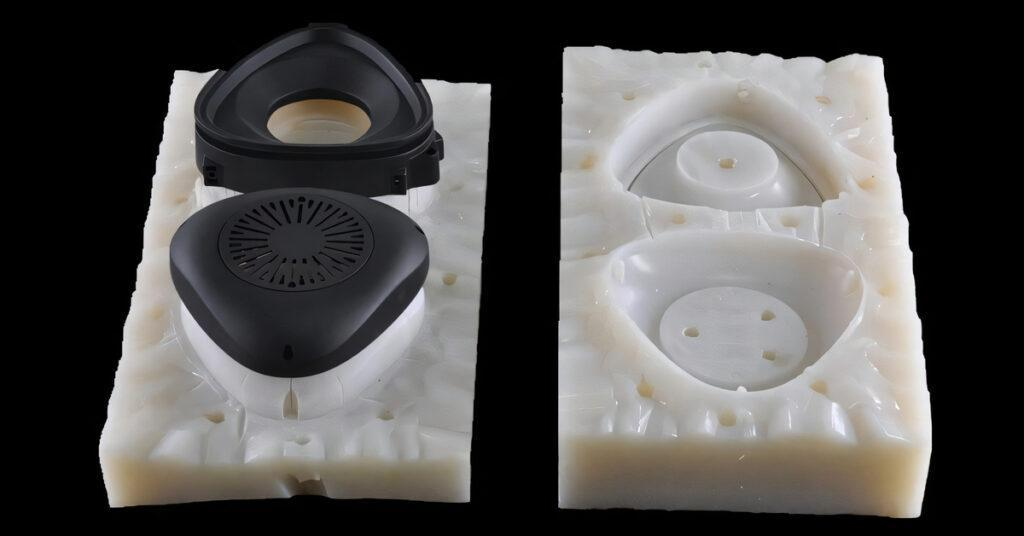
Without solid checks, Vacuum Suction Casting can go wrong fast. People looking into this usually care whether suppliers deliver consistently.
Visual Inspection
First up, workers inspect how smooth the surface feels along with its exact measurements. Cracks or small holes on the outside show up during this check. Then they mark those flaws for review.
Non-Destructive Testing (NDT)
Finding hidden holes inside metal? That is what X-ray scans do. Sound waves traveling through material reveal flaws deep within. Strong parts start with knowing what lies beneath.
Mechanical Testing
Firmness, how much pull it can take, also toughness get checked. These checks show everything meets the needed rules for building things right.
Chemical Composition Analysis
Finding what metals are inside happens with spectrometers. Material stays the same because checks like this catch differences early.
Dimensional Measurement
Finding exact points is what these machines do. Before any package leaves, small differences get verified.
Factories that stick to high standards build checks into every step. Because results must stay steady, each batch faces close review before leaving.
Find a reliable vacuum suction casting service?
One way to spot a solid Vacuum Suction Casting provider is by checking how long they’ve been around. Since track record matters, look into whether they hold proper certifications. Technical skill often shows in sample work, so that detail deserves attention. When output volume comes up, their production limits could make or break your timeline. Quality checks during manufacturing? Those processes tend to reveal consistency behind the scenes.
A solid business will show you exactly how things work behind the scenes. Because clear updates come hand in hand with reliable tech help. On top of that, picking a vendor used to shipping overseas makes sense when they pack high-end testing tools.
Need vacuum suction casting done right? Fuchun Casting provides smart manufacturing answers. Their site shows what they handle, how they do it, and which products come out of their shop. Relying on seasoned makers keeps results steady while meeting deadlines without fuss.
Pick up a sample or two – maybe even past project examples – before going all in on big batches. When engineers and makers talk early, mistakes that drain budgets tend to fade away.
Summary
Starting off quiet, Vacuum Suction Casting pulls molten metal into molds using suction force instead of gravity. This method cuts down air pockets while packing the material more tightly inside. Often found spinning through factories making airplane parts, it also shows up in car engines and surgical tools. Smooth outer layers come out naturally, almost by habit. Strength within the structure rises without much effort. Measurements stay sharp, matching blueprints closely every time.
Engineers gain clarity by walking through each step, spotting benefits, then checking how tests confirm quality. A steady supplier matters just as much when aiming for stable output over time.
Vacuum Sucking Molding steps in when shapes twist tight, walls stretch thin, yet strength stays critical. With steady pressure pulling material into place, it handles tricky forms others struggle to hold. When detail matters and structure can’t bend, this method keeps its grip.
 English
  Spanish
  Portuguese
  French
  German
  Italian
  Arabic
  Russian
  Korean
  Chinese