
Table of Contents
A heavy push while cooling gives squeeze cast parts their toughness. Instead of just pouring metal into a mold, force gets applied right away. This technique shapes pieces well plus makes them strong like forged items. Pressure stops holes and weak spots from forming as the material hardens. More sectors rely on it now when failure is not an option. Designs stay complex without sacrificing durability. The method sidesteps flaws regular casting often faces.
People working in engineering, buying parts, designing products, or leading manufacturing firms often look up squeeze casting when planning how to make things. When they search, what really matters is knowing how well it works, what it costs, under which conditions it fits best. Clear answers help them decide without wasting time on guesses. This piece aims to lay out just what you need before spending on tools or starting large runs.
Understanding Squeeze Casting?
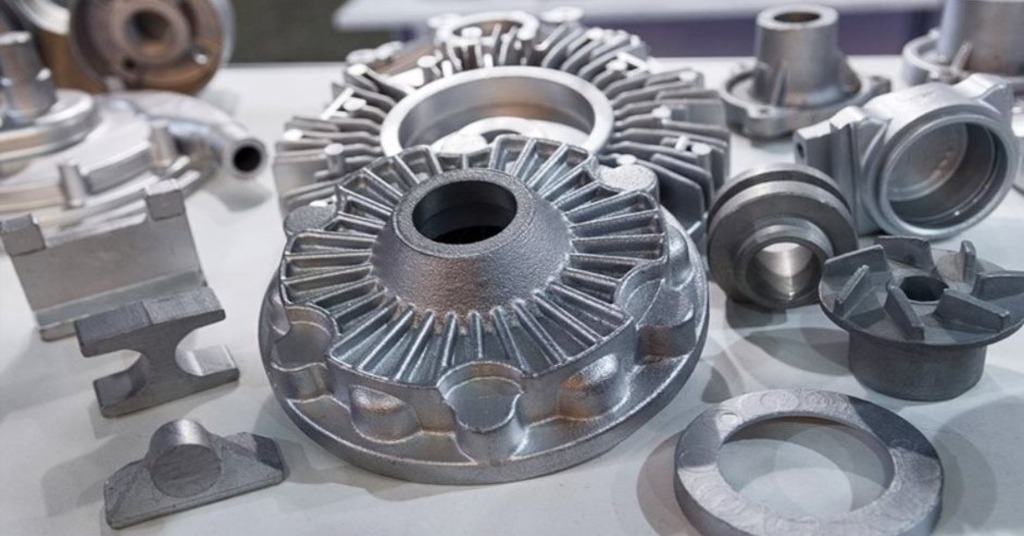
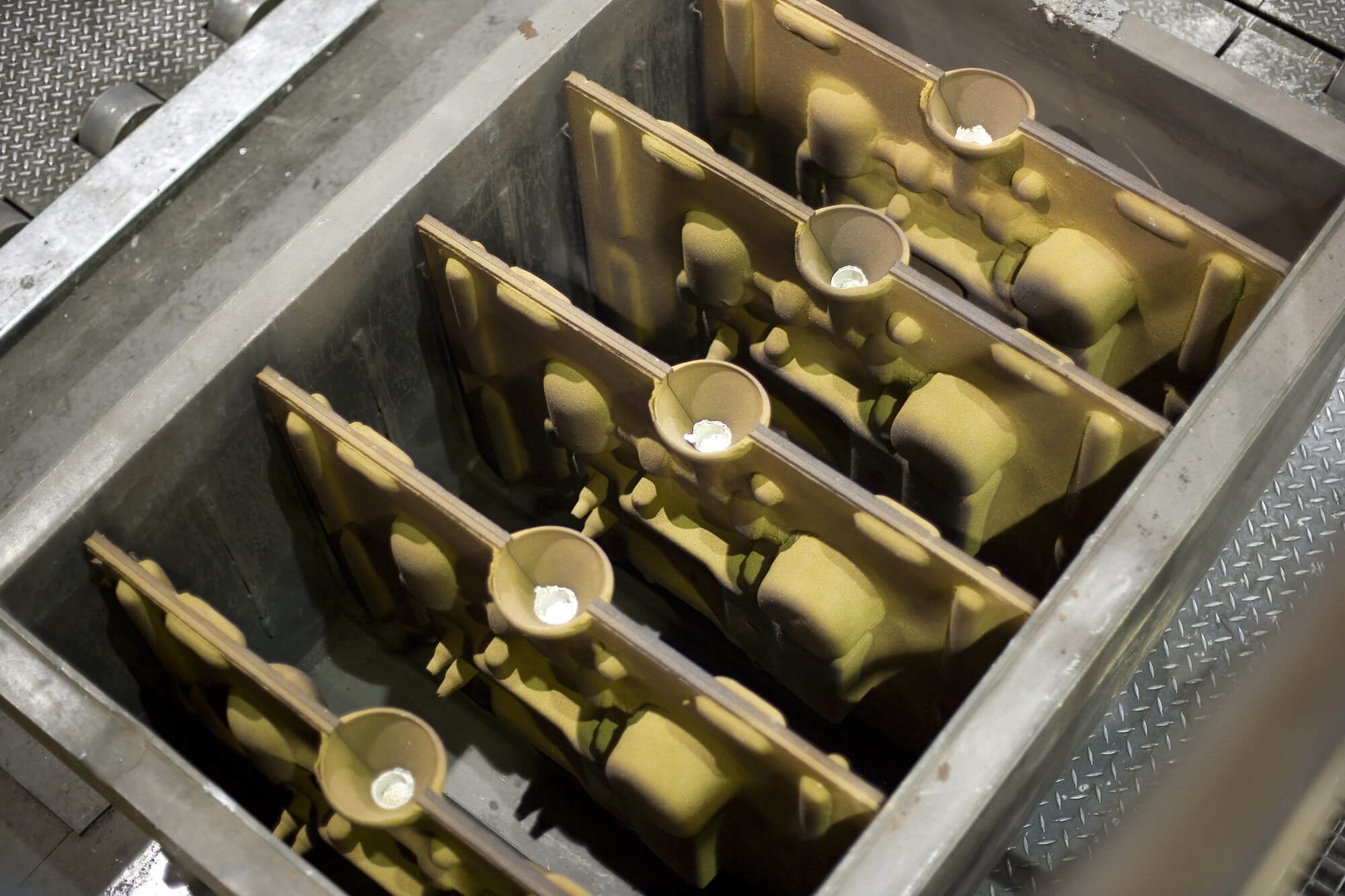
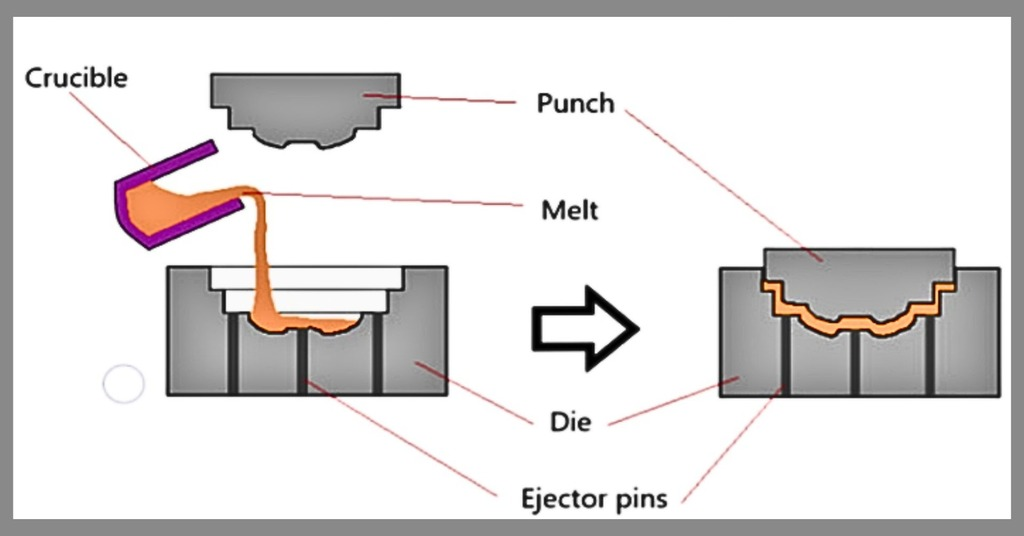
Under heavy force, hot metal takes shape inside a warmed mold during squeeze casting. With machinery pressing down fast, the liquid spreads fully before hardening begins. No waiting around – pressure locks it in place the moment it flows. Fewer bubbles or gaps show up when force stays on through cooling. Hydraulic systems make sure nothing gets missed inside the chamber. Solid structure comes out because squashing happens while still fluid.
Cracks and flaws drop off simply by holding steady weight from above. Metal settles tight without help from extra steps or additives. Once poured, it must stay compressed until firm throughout. Complete coverage wins every time when power meets flow at the right instant.
Pressure pressing instead of just pouring cuts down trapped air and tiny holes forming inside. Because force pushes liquid metal where it might otherwise pull away as it hardens. So each solidified piece packs tighter, works stronger once done. Finished shapes carry more heft through better structure.
History of Squeeze Casting
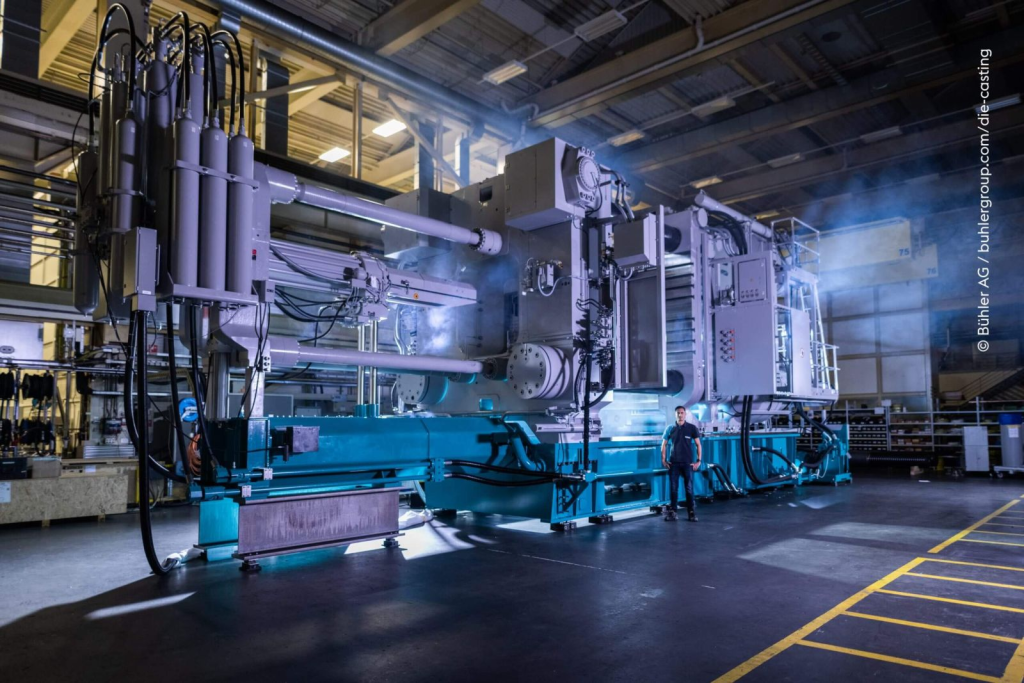
Starting in the past, squeeze casting emerged when makers looked beyond old-style casting flaws. Parts often ended up weak, full of tiny holes inside, because early techniques could not deliver steady results. As needs shifted toward tougher yet lightweight pieces, those shortcomings started to matter much more.
In the sixties and seventies, scientists found that pressing metals while they harden makes them stronger. Cars and planes started using it first, because lighter parts had to last. That real-world proof showed squeeze casting actually works in factories.
Years passed. Machines got better at pushing metal into shapes, thanks to stronger molds and smarter controls. Now people trust this way of building parts across industries. Step by step, computers guide robots to fine-tune every cycle. Software predicts problems before they happen. Results stay steady, batch after batch.
Types of Squeeze Casting
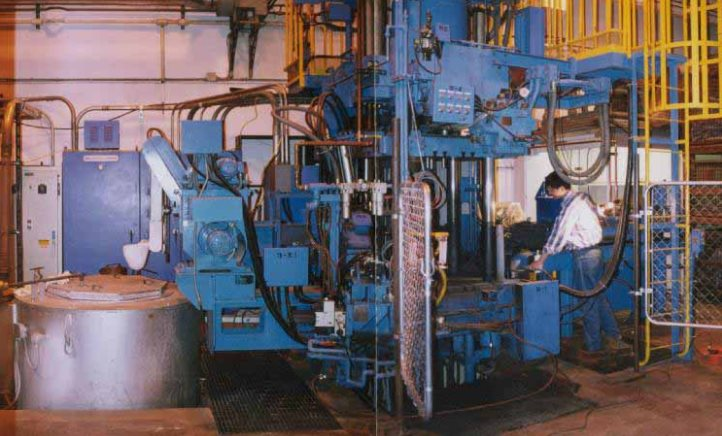
One way to look at squeeze casting is seeing it as several similar methods instead of just one rigid approach. Though they share core principles, how each handles molten metal movement sets them apart. Pressure timing shifts slightly depending on which version is used. Solidifying the material also changes based on setup details. Some versions slow things down; others push faster results.
1. Direct Squeeze Casting
Pouring hot metal straight into a mold sets the stage. Right when it starts to harden, a rod pushes down fast. That close touch – metal meeting tool – builds tight structure inside. Air pockets barely stand a chance.
Starting off strong, this technique works best with heavy-duty or dense pieces. Parts come out tough, built to handle stress without weak spots inside. Usually picked when the job needs something that holds weight or keeps things together. Ending here.
2. Indirect Squeeze Casting
Pouring hot metal into a shut mold happens at the start of indirect squeeze casting. Once full, force gets added to the liquid metal. Because the chamber fills entirely before pressure begins, movement of the material stays steadier.
Starting off, indirect squeeze casting handles intricate forms along with narrow walls more effectively.
3. Semi-Solid Squeeze Casting
Filling the mold happens after the metal starts thickening slightly, not while fully liquid. Because of that slower movement, there’s less swirling as it enters. Less trapped air means fewer tiny holes inside the part. Shape holds better when cooling finishes.
Starting off, this approach delivers strong durability along with a smooth outer layer. Still, getting it right means watching heat levels closely while having solid know-how on hand. Usually seen in parts where tight accuracy or top function matters most.
Understanding Squeeze Casting Methods?
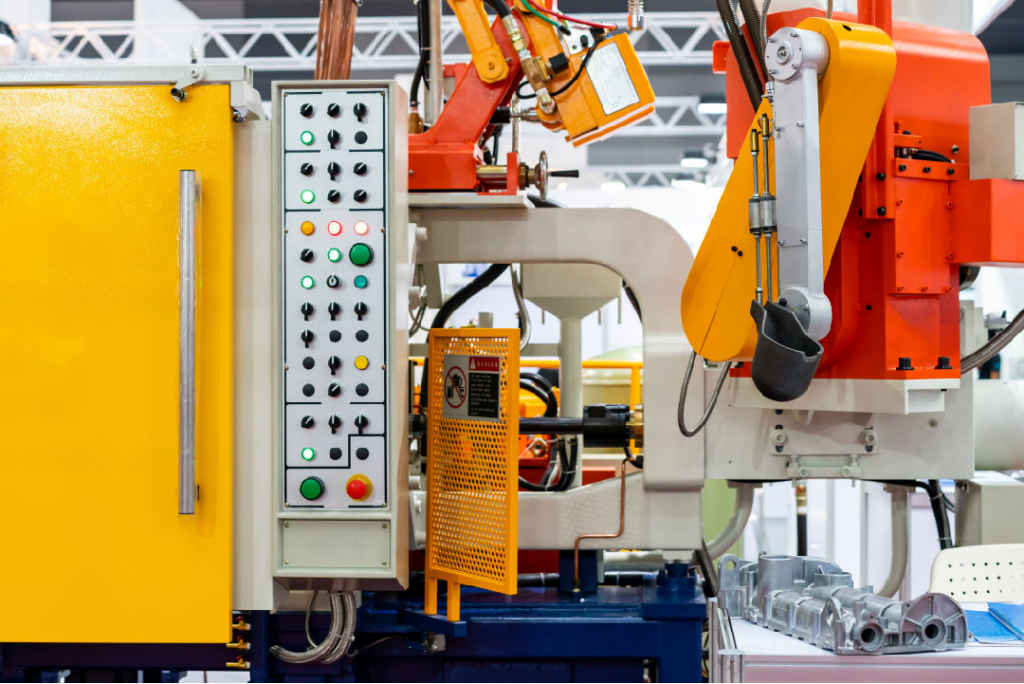
First thing you notice is how each phase in squeeze casting stays under strict control. A single stage can shape the end result more than expected. Buyers start seeing differences when they follow every move closely.
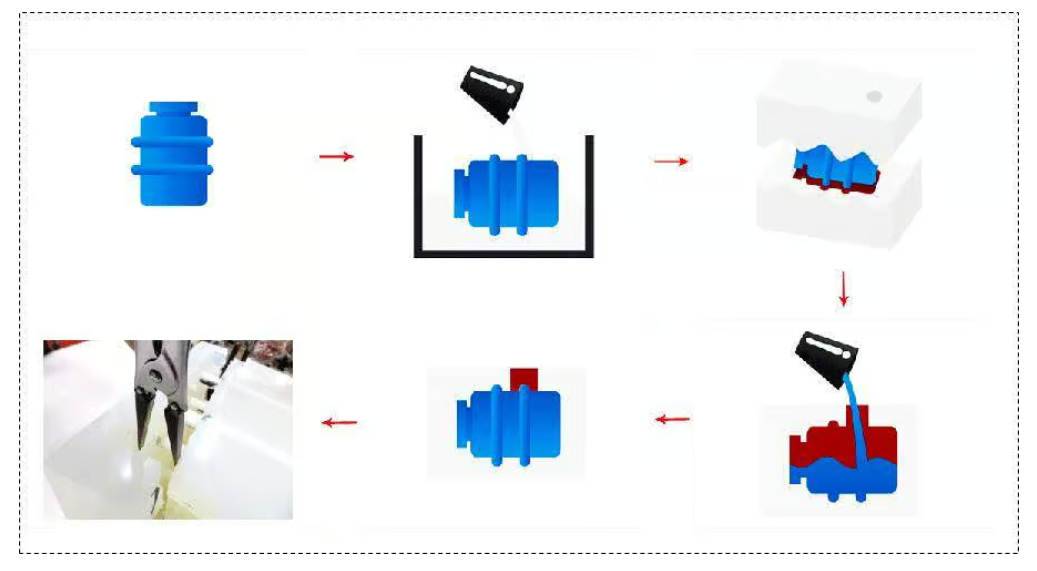
1. Mold Preparation
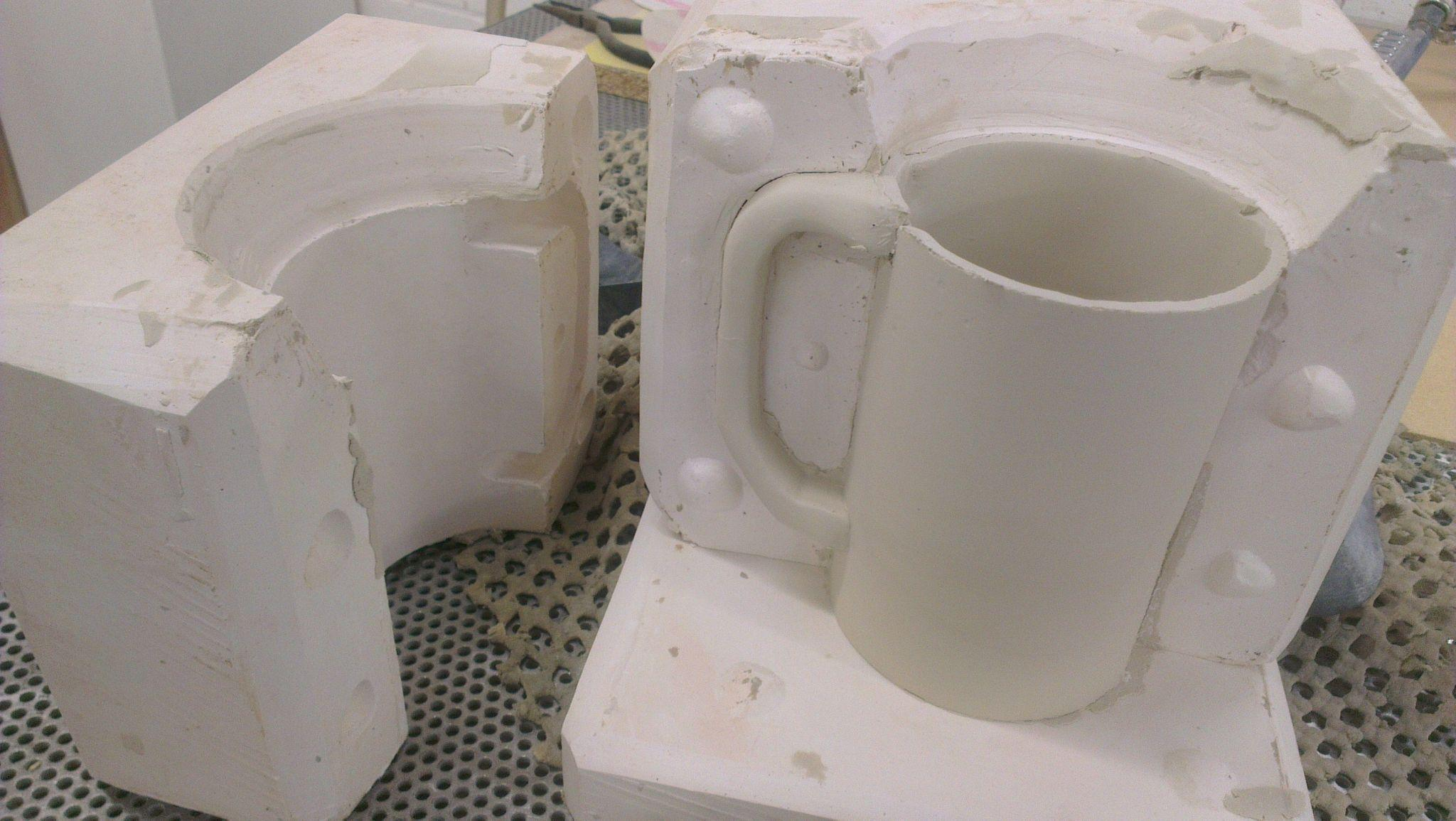
Starting off, someone gets the mold ready by cleaning it well. After that comes applying a release layer so things won’t stick later on. Then heat slowly brings the mold up to just the right warmth. When done right, liquid metal moves easily inside without flaws showing up afterward.
2. Metal Pouring
Hot liquid metal flows into the cavity, cooled just enough to stay workable. Right when it arrives matters – too soon or late ruins the flow before squeezing begins. Without jerks or stops, the stream slips in quiet and even. Air stays out where motion behaves.
3. Pressure Application
With the mold full, liquid metal gets squeezed by a heavy hydraulic push. All during hardening, that squeeze stays strong. Shrink gaps get closed because of this steady force. Voids inside disappear under constant pressure.
4. Solidification and Ejection
Once the metal hardens completely while pressed, pressure lifts. Out pops the piece from its mold. Because it holds shape so well, hardly any touch up needed.
Benefits of Squeeze Casting
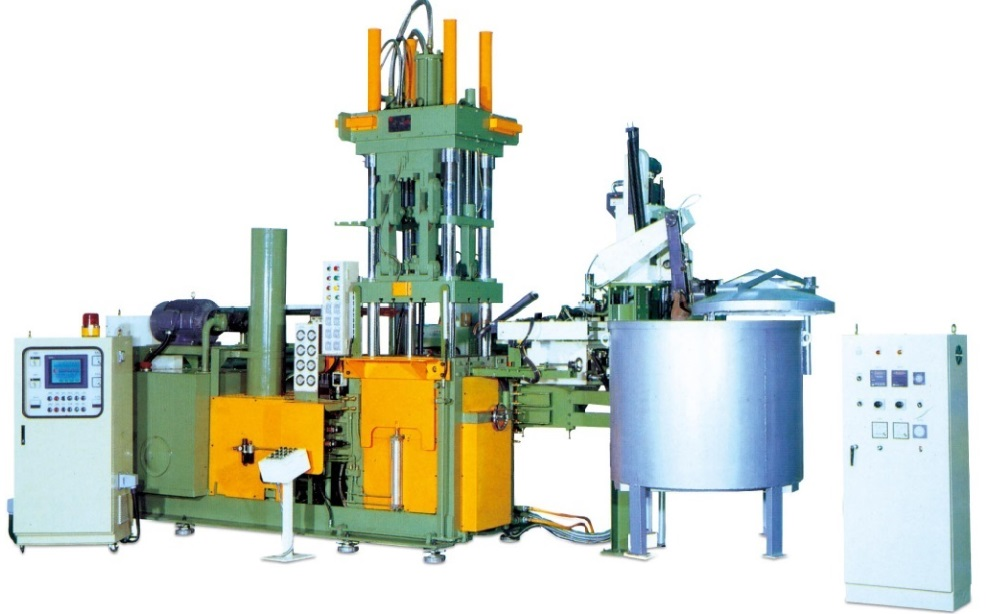
One big draw? It fixes flaws typical in regular casting. That’s what pulls engineers and buyers toward it. Pressure during solidification makes parts stronger. Less porosity shows up in the final product. This method handles complex shapes without extra effort. Material waste drops when precision goes up. Cooling happens faster under squeeze pressure.
1. Extremely Low Porosity
Pressure during squeeze casting keeps parts dense by reducing tiny air pockets. As metal hardens, force fills gaps left by shrinking material. Stronger structures come out because nothing gets trapped inside. What forms is solid through and through.
2. High Mechanical Strength
Stronger under tension, squeeze cast pieces resist deformation well. Because pressure shapes finer grains during cooling, durability increases across the board. Structural uses fit naturally with these traits.
Often, squeezed metal pieces work just like forged ones. Weight drops without losing strength.
3. Superior Fatigue Resistance
When parts face repeating stress, how they handle tiredness matters a lot. Because squeeze casting leaves fewer flaws inside, the material lasts longer under strain. Cracks are less likely to start here.
When it comes to cars or planes, that edge really matters. Over time, things hold up better because of it.
4. Excellent Surface Finish
Smooth surfaces come from tight touch of metal and mold. Because of better size precision, less cutting work follows after forming. With tighter control during shaping, extra finishing steps shrink down naturally.
5. Improved Dimensional Accuracy
Poured under force, squeeze casting holds shapes closer than old-style methods. Because pressure pushes through, the material sets evenly. Wobbles or bends show up far less often.
With such exactness, parts fit together just right. Because of that, each batch comes out looking much like the last.
6. Enhanced Metallurgical Structure
With pressure applied during cooling, grains become finer. Because of this change, the material gains better strength, lasts longer under friction, hardens more evenly. Every section of the piece ends up with uniform metal properties.
When tiny structures inside a material get better, heat moves through more easily. That matters most where performance counts. What happens next depends on how electricity behaves too.
Squeeze Casting Uses
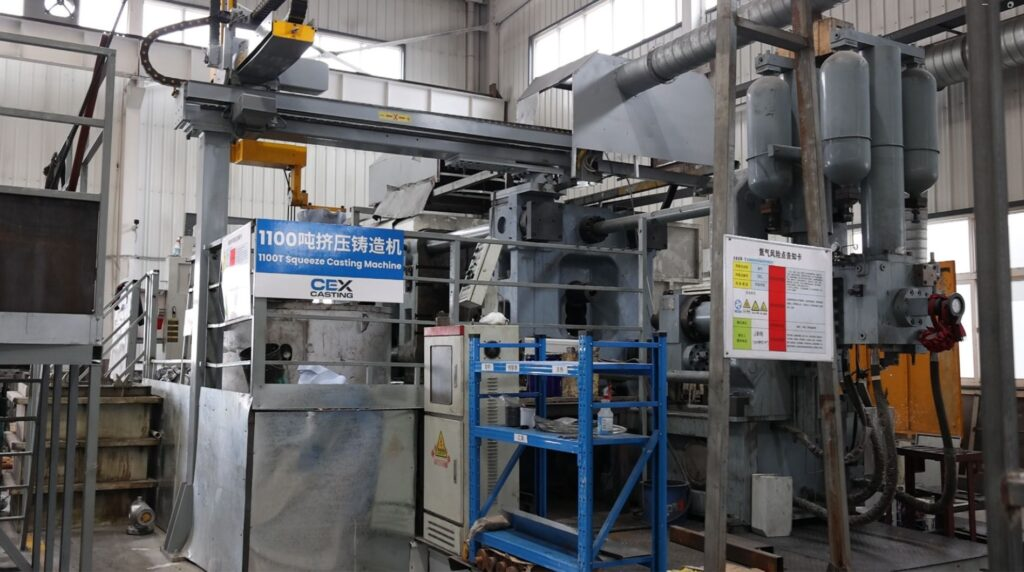
Strong, dependable, plus flexible – that’s what keeps squeeze casting common in so many fields. What these uses show explains the steady rise in need.
1. Automotive Structural Components
Few car components see more stress than suspension arms, yet squeeze casting handles the demand well. Steering knuckles take shape through this method, benefiting from its dense structure. Control arms emerge stronger thanks to reduced porosity during forming. Strength matters most when forces shift constantly on roads.
2. Automotive Powertrain Parts
When it comes to powertrain parts like mounts and housings, having less internal voids works well. Getting the size just right helps everything fit during build. Heat doesn’t warp them as much anymore.
Under intense heat, squeeze casting holds up well. Because of this, it lasts longer when used heavily.
3. Aerospace Structural Parts
Tiny flaws matter a lot when parts fly high. Uniform strength comes straight from squeeze casting. Safety gets a boost where air pockets stay low.
Fewer pounds on the scale – that’s one big win. Think aluminum, think magnesium, these materials show up everywhere.
4. Industrial Machinery Components
Heavy machines need strong parts like brackets, frames, and casings. Because they handle intense pressure. Durability matters most over time. While built to last, these pieces must resist wear. Their job lasts years, not days.
Because it holds everything together tightly, there is less need for upkeep later on. Strength stays consistent over time due to how parts connect during setup.
5. Electrical and Electronic Heat Sinks
Heat flows fast through squeeze-cast heat sinks because their structure stays tight and solid. A smoother outer layer helps release warmth more easily. When parts fit together without gaps, everything lines up just right during setup.
Power electronics depend heavily on this app. Better reliability means the system runs more smoothly.
Testing Squeeze Casting Quality?
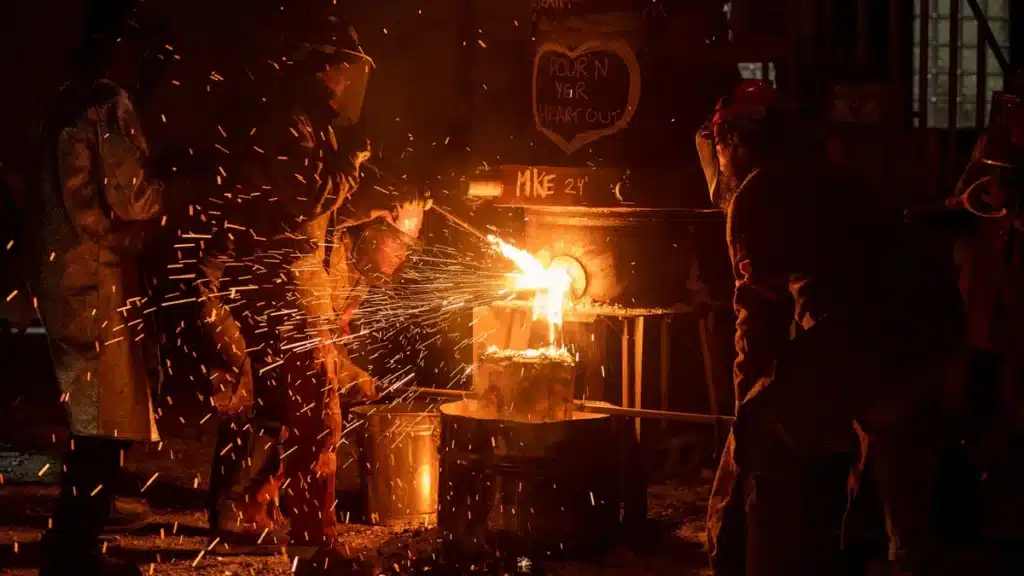
Every batch gets checked so squeeze cast components fit what they were made for. Different ways of looking closely happen at each step along the line.
1. Visual Inspection
Out of every production run, the very first thing that happens? A person looks closely at each piece. Cracks show up fast when light hits just right – so do spots where metal never quite joined together properly. Sometimes a mold doesn’t fill all the way; those gaps stand out during this stage. Catching these issues early keeps flawed parts from moving further down the line.
2. Non-Destructive Testing
Squeeze casting often relies on non-invasive checks. Inside flaws like voids show up when rays pass through. Waves traveling through material reveal how uniform it is.
Checking without damage keeps parts safe during inspection. Because they matter so much, these techniques guard vital pieces.
3. Mechanical Testing
From time to time, machines pull materials apart to check how strong they are. Repeated stress cycles show whether a part wears out too soon. Toughness and stretch get logged alongside resistance to dents. What comes out matches what was promised on paper.
Fresh proof backs approval of goods. Confidence grows when buyers see it works.
4. Metallurgical Analysis
Fine details of metal crystals come into view through metallurgical study. Yet deeper insight emerges when checking how phases spread across the sample. Composition gets confirmed by probing the chemical makeup. Only then does confidence grow in uniformity from batch to batch.
Find a Reliable Squeeze Casting Company?
Every project needs a solid partner for squeeze casting – choices here shape results. When it comes to materials, knowing the specific metal you need matters most. Watch how well they manage steps in production; skill shows up there. Their grasp of design challenges tells you what’s under the surface.
Looking for someone who knows squeeze casting well? Fuchun Casting comes recommended. Years spent working with non-ferrous metals have built solid know-how. Quality results reach clients around the world. Accuracy matters here – each piece meets tight standards. Support adjusts to what buyers actually need. Consistency runs through every step they take.
Summary
Pressure shapes the metal as it hardens, creating strong parts without weak spots. Solidifies under force instead of cooling freely, which helps avoid flaws seen in standard casts. Parts come out smooth, tough, well-formed – ideal where strength matters most. Works by pushing material into shape while setting, blocking gaps and bubbles before they form. Used often when reliability cannot be left to chance.
Starting off, the method holds up well under stress while keeping costs low. Not only that, it allows for a wide range of shapes and configurations. From cars to planes, gadgets to heavy equipment, many fields put it to regular use. Because it adapts so easily, more keep turning to it over time.
 English
  Spanish
  Portuguese
  French
  German
  Italian
  Arabic
  Russian
  Korean
  Chinese