
Table of Contents
Engineers, sourcing specialists, and design teams often land on shell mold casting when hunting for ways to make accurate metal parts. While weighing choices like green sand, investment, or die casting, trade-offs around price, tightness of specs, smoothness of surfaces, and how many units matter. Often, less finishing work matters – alongside steady dimensions and consistency across batches that run into the thousands. Knowing how deep the method goes technically gives those making picks a clearer path forward.
Trusted by makers of cars, machines, pumps, valves, and large industrial gear – shell mold casting stands out. Accuracy jumps up, surfaces get smoother, yet it keeps the adaptability of sand molds. Starting long ago, evolving through decades, its story unfolds naturally here.
What is Shell Mold Casting?
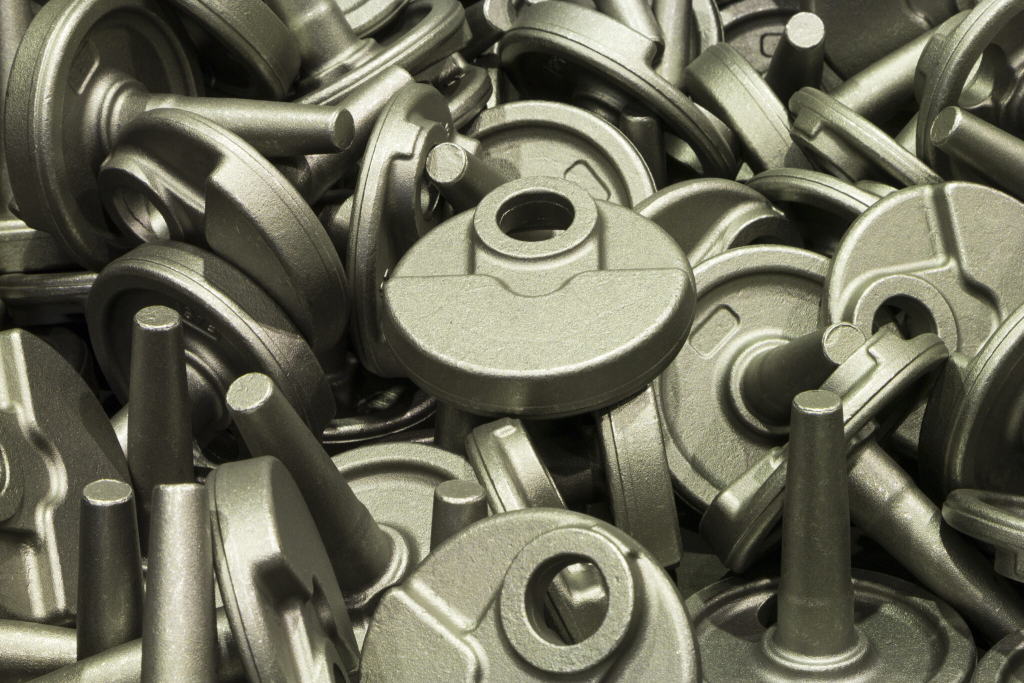
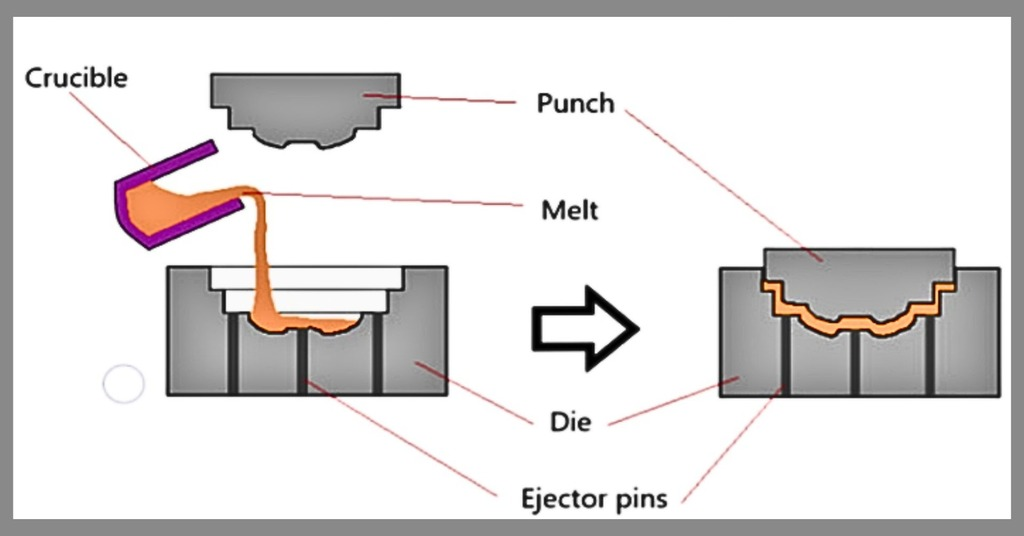
A thin shell takes shape as resin-dusted sand meets a warm metal model, hardening on touch. Heat triggers the bond – sand grains lock together under a skin of curing plastic. Out of this forms one half of a hollow frame, crisp and firm. A second copy joins it, fitted like puzzle pieces forming space inside. Into that gap flows liquid metal, filling every curve left behind.
What stands out here is the slim mold wall – usually between 5 and 10 millimeters. Though narrow, it holds up well under stress and keeps its shape reliably. Because of that, parts come out with finer details plus a more even surface than what you get with standard green sand methods.
Tiny foundries often pick shell mold casting when working with gray iron, though ductile iron fits just as well. Steel variants – plain or mixed with extras – slide neatly into this method too, along with some copper-based blends now and then. Parts sized modestly, never huge, come out steady in shape thanks to this process. Strength matters, so builders trust it when consistency counts. Factories weighing price against accuracy tend to land here more than elsewhere.
History of Shell Mold Casting
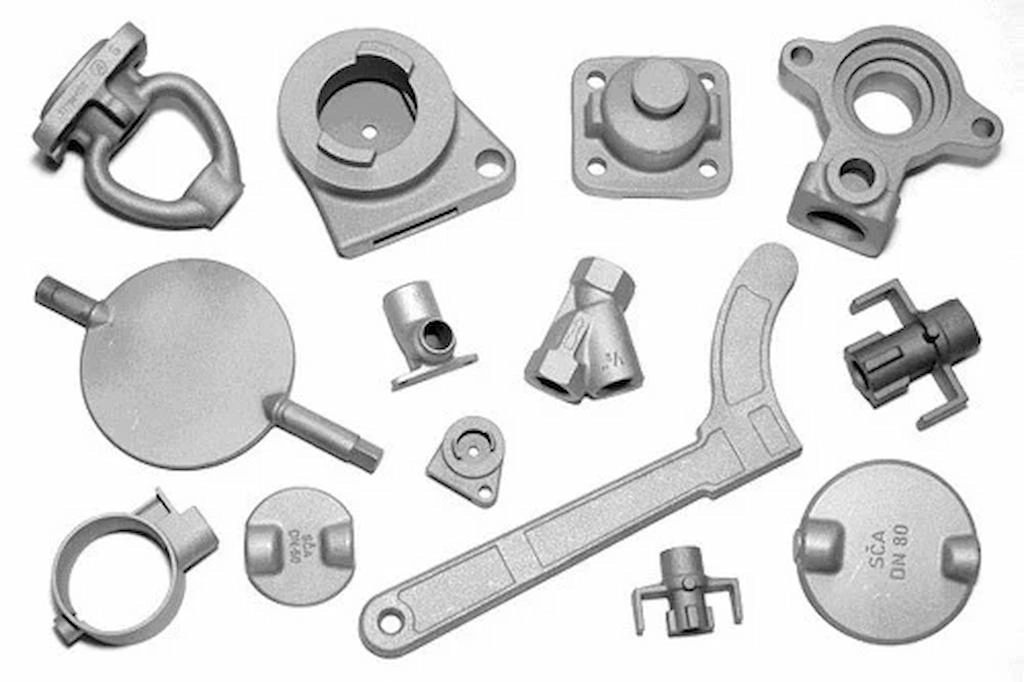
Back in the 1940s, a German named Johannes Croning came up with shell mold casting. Because faster results were needed, he shaped a method that focused on precision for war equipment. Since timing mattered so much then, factories adopted it fast – its consistency stood out under pressure. Though born in conflict, its sharp detail and speed gave it staying power beyond the battlefield.
Few years past the war, machines crossed oceans – landing in both the U.S. and Japan – with automakers quickly putting them to work. Driven by demand for exact engine pieces made at scale, companies poured money into refining how things were built. That push turned shell mold casting into the go-to method for making transmission cases, exhaust manifolds, even key body sections of cars.
Today’s foundries run on precision, thanks to steady gains in material science. Machines handle coating jobs once done by hand, making results more consistent. Heat management has grown smarter, reducing flaws across batches. Programmed ovens adjust timing without constant oversight. Forms take shape quickly at dedicated workcells, guided by preset routines. Robots move molten metal with steady paths, avoiding spills. Little by little, each update tightened quality while expanding output limits.
Types of Shell Mold Casting
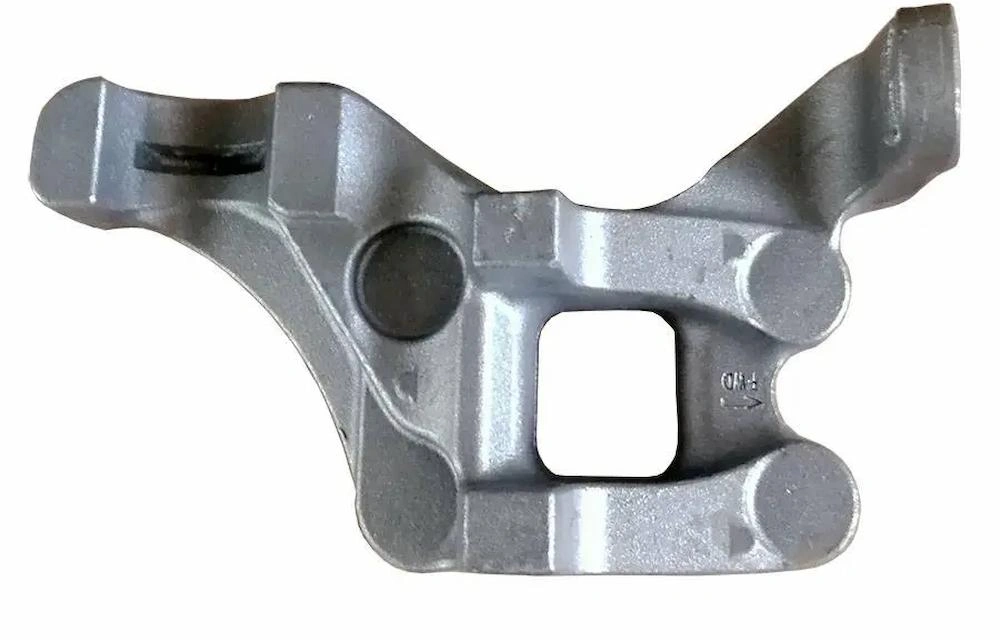
A different kind of shell mold casting shows up when materials change shape or form. Where one design fits tight spaces, another handles heavier loads – depending on structure. Complexity shifts based on whether cores run straight through or branch oddly inside. Some versions meet strict rules for strength, others adjust for how things move during use.
Iron Shell Mold Casting
Shell molding with iron dominates the field. Thanks to solid performance in casting ease, durability under friction, and handling vibrations, gray iron often shows up – ductile iron too. Car parts like brakes make regular use of it. So do pieces such as exhaust manifolds and casings for differentials.
Solidifying slowly helps ductile iron shells grow rounder graphite shapes. Because of this, they handle stretching better and resist breaking more easily. Since shell molds keep their shape well, each batch comes out with nearly identical internal structure.
Steel Shell Mold Casting
Heavy loads demand tougher materials – that’s where steel shell mold casting steps in. Parts made from carbon or alloy steel handle serious stress, common in big machines and support frameworks. Pouring steel runs hotter than iron work, pushing molds to their limits just to stay intact.
Non Ferrous Metal Casting Using Shell Molds
When tight tolerances matter, shell mold casting works well with aluminum and copper alloys. Lightweight build plus strong defense against rust gives aluminum castings an edge. Such traits lead to use in frames and machine covers instead of heavier materials.
Starting off hot, but not too hot – temperature matters when filling non-iron molds. Cooling must walk a tightrope; too fast brings flaws, too slow wastes time. Smooth outer layers show up more often than with old-style sand methods. Tiny holes inside shrink in number, thanks to steady solidifying. When lightness teams up with strength needs, factories find this route works better. Gains edge without shouting about it.
Shell Core Production
Starting off differently, beyond outer molds, shell methods often shape inner parts with tricky shapes inside. These core types hold their size better plus stand up stronger than old-style sand versions. That means less chance they’ll cave in when hot metal pours through.
Shell mold casting steps?
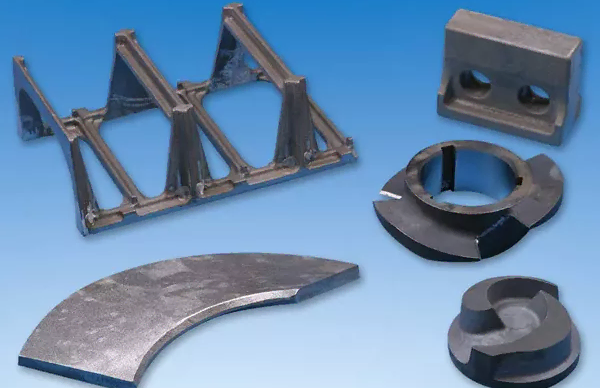
Starting off, the shell mold casting method moves through stages meant to hit exact specs every time. One phase after another shapes how well parts fit and handle stress later on.
Pattern Making and Heat Treatment
A metal shape takes form first, cut carefully from steel or aluminum by exact machine work. Shrink space plus needed adjustments live inside its design from the start. Heat arrives next, gentle and managed, pushing temperature between 200 and 300 degrees Celsius.
Shell Formation
Hot patterns get covered when sand coated in resin drops or gets pushed onto them. Once warmed, the resin hardens, gluing grains together into a firm layer. After waiting a set amount, leftover sand falls away – this shapes how thick the shell becomes.
Mold Assembly
Out comes two hardened shell pieces, fitted snug. Where hollow spaces inside matter, solid inserts slide in first. Into a rigid frame the joined shells go next, held firm by dense support stuff packed all around.
Pouring and Solidification
Into the mold goes molten metal, carefully guided by steady control. Cooling happens fast yet even because the shell stays slim. When solidification is managed well, grains tighten up – strength follows.
Shakeout and Finishing
Once hardened, the mold cracks open to reveal the cast part. With less sand involved, clearing leftover bits takes less effort than in traditional sand methods. Runners, feed points, and extra metal get cut off. The piece shows its shape after these parts go.
Benefits of Shell Mold Casting?
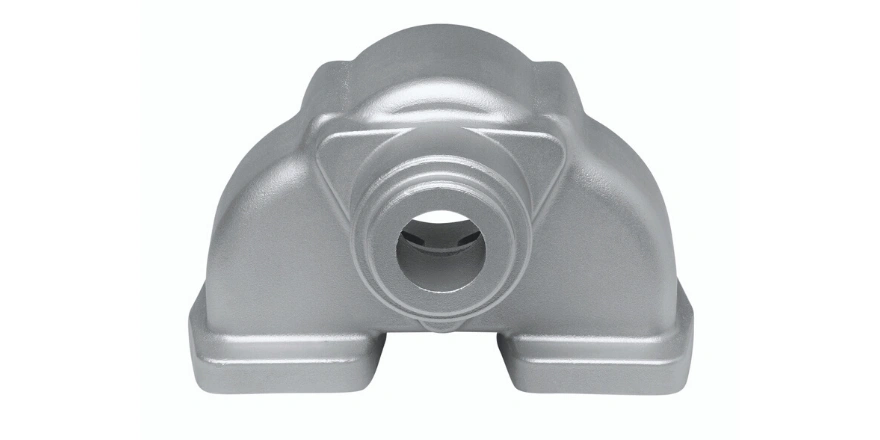
Shell mold casting offers multiple technical and economic advantages that make it attractive for precision manufacturing.
Superior Dimensional Accuracy
Holding its shape firmly, the hard shell mold keeps everything aligned while metal flows in and solidifies. Accuracy improves a lot compared to standard sand molds. Because of this precision, less cutting is needed afterward, which also means fewer scraps pile up.
Improved Surface Finish
Fine grains of resin-treated sand create castings with a sleeker finish. Often, these surface measurements fall below those seen in traditional green sand methods. Less cleanup work is needed because of it, which also gives parts a cleaner look.
Reliable and Steady Results
After the equipment is built, it keeps making the same part over and over without changing. Because machines handle most steps, each piece comes out nearly identical. Factories depend on this steady output when building things at scale.
When things stay steady, the flow of goods holds firm. Predicting how gear runs becomes possible over big manufacturing stretches.
Enhanced Mechanical Properties
Fine grains form when cooling happens slowly, spreading strength evenly throughout. Fewer trapped flaws mean less chance of breaking under stress. Because of that, shell cast parts handle heavy loads without failing.
When parts fit together just right, things last longer. Because of that, fewer problems pop up later on. Fewer surprises mean less chance something will break down too soon.
Production Efficiency
Faster cycles mean more parts get made in less time. Because machines handle much of the work, fewer people are needed on site. Automation levels can shift depending on production needs. Lower hands-on involvement cuts daily expenses over time.
Shell Mold Casting Uses
Frequently found where durability matters most, shell mold casting suits work needing exact shapes. While strong results come through careful process control, accuracy stays central to its role across manufacturing areas.
Automotive Industry
Few parts like engine blocks, gearbox cases, brake clamps, or exhaust manifolds come out of this process. Accuracy means they fit right into robotic building chains. Because each piece matches the last, making thousands of cars stays smooth. With every run nearly identical, factories keep pace without slowdowns.
Pumps and Valves
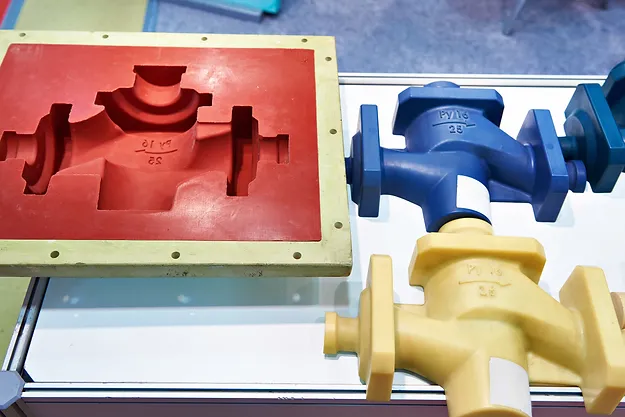
Inside shapes must match exactly, while seals need a flawless finish. Thanks to shell molds, measurements stay precise enough to stop leaks before they start. Strength in form means it holds up over years of use.
Agricultural and Construction Machinery
Built tough, gear housings along with their supporting frames handle intense pressure without failing. Shell castings bring long life into play while keeping results steady over time. When things are made exact, shaking drops off, parts line up better mid-use.
Industrial Equipment
Out in the shop, machine frames need exact sizes to work right. Because of shell casting, parts line up cleanly under stress. That setup spreads forces evenly across components. Over time, machines last longer when things fit just so.
Testing Shell Mold Casting Quality?
Fine-tuned checks keep results steady while matching strict engineering rules.
Dimensional Inspection
Not everything fits unless it’s checked first. Machines that map points in space make sure parts stay within allowed limits. When tight spots matter, handheld tools give real readings instead of guesses. Getting numbers right early stops mismatches later down the line.
Surface and Visual Check
Faults like cracks show up just by looking closely at the material. Because flaws on the outside point to deeper issues, checking texture matters too. When problems are caught sooner, fixing them later takes less time and money. Roughness measurements confirm if the surface meets needed specs.
Mechanical Testing
Strength shows up clearly when materials face stretch, dent, and shock trials. When weight pushes on them, their behavior gets checked closely. Same outcomes over time mean the making method holds steady.
Non-Destructive Testing (NDT)
Inside flaws show up through sound waves, while X-ray checks catch hidden gaps. Cracks on metal surfaces appear when tiny magnetic bits gather there instead. Trust builds into heavy-duty systems because these tests run first.
Chemical Composition Analysis
A spectrometer checks if an alloy matches its required mix. Because chemistry is tightly managed, how the material behaves under stress stays consistent. With clear traceability logs, confidence in quality processes grows.
Find a Reliable Shell Mold Casting Service?
Picking the right supplier means looking closely at how well they handle technology, manage output volume, their approach to maintaining consistent quality matters too. Advanced tools for shaping materials matter, especially when machines hold steady temperatures – accuracy counts just as much during checks after production. Proof of standards like ISO shows routines are followed, not guessed.
What you know about certain fields really matters too. Take cars, pumps, or machines – each needs parts that behave in unique ways. Someone who understands these areas might help refine how a part is shaped, show how molten metal flows during casting, or point out where expenses could shrink.
Finding a reliable maker? Fuchun Casting delivers precise shell mold castings tailored to cars, machines, yet built for heavy-duty uses. Their edge lies in modern tools paired with tight checks at every stage. Precision matters here – each piece repeats exactly, shaped by client needs instead of generic rules. Behind it all stands a team ready with know-how when challenges pop up. Trust builds slowly; they aim to earn it batch after batch.
Summary
Apart from standard methods, shell mold casting delivers tighter measurements and smoother finishes. Resin-treated sand creates slim yet sturdy molds, boosting part consistency while cutting down on later shaping steps.
Starting off, it works with iron, steel, and metals that aren’t ferrous – common in cars, pumps, industrial machines, and big machinery. Because of how it runs, parts come out closer to exact sizes, feel smoother to the touch, show improved internal structure, while also allowing output to grow without losing consistency.
Engineers who handle purchasing need to grasp how processes work, what materials are available, because choices affect outcomes. Working alongside a seasoned maker like Fuchun Casting shifts shell mold casting into a practical option, one that delivers tough parts without driving up costs.
 English
  Spanish
  Portuguese
  French
  German
  Italian
  Arabic
  Russian
  Korean
  Chinese