
Table of Contents
Stronger, lighter metal pieces keep factories searching for better methods. Old-school casting does the job sometimes, yet flaws pop up – tiny holes, uneven cooling, too much cutting afterward. Enter semi-solid pouring, a different path that skips some classic problems.
Metal shaped while partly solid – this method sits between pouring and hammering. It gives stronger parts, closer sizes. Here’s where it came from, how it works, why some pick it, where it’s used, plus what to watch when picking a maker. Not fully melted means less shrink, smoother outcomes. A look back shows slow steps forward until machines caught up. Strength matters in car bits, medical tools, so this way fits. Factories using it must control heat like clockwork. Picking one? See their record, gear, know-how first.
Shops with clean floors often run tight scripts. Outcomes surprise only if you miss the pattern. Done well, it hides stress before cracks start. History hid bumps till materials woke up. Uses grow quiet-like across tough fields. Pick steady hands, not flashy names. How they cool defines shape later. Few see inside at first glance – but gaps show after time. Smooth entry needs prep most skip. Trust comes from repeats, not talk.
What is Semi-Solid Casting?
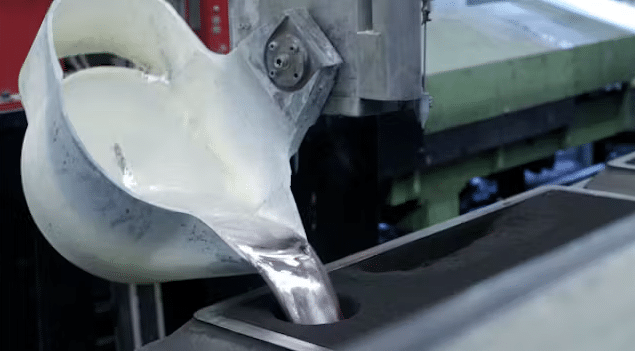
Half-melted metal takes center stage in semi-solid casting, where alloys move between states. Not quite liquid, not quite solid, the mix gets shaped during this phase. Rather than using completely melted material, this method relies on a thick fluid form. Flow happens easily, yet pieces of solid remain inside. Structure holds together even as movement begins.
Exploring the Semi-Solid State
Starting off with tiny solid bits mixed into molten metal, semi-solid casting uses an alloy that’s partly liquid, partly solid. Spheres dominate the mix instead of branching crystals, which helps the goo move smoothly under pressure. Filling shapes precisely becomes possible since this goop holds together well during molding. Flaws drop down thanks to the even way it spreads inside cavities.
Slowed flow happens because of the thicker mix. As a result, air pockets and sinking spots show up less often compared to standard poured metal methods.
Manufacturers Choose Semi Solid Casting For Better Metal Flow
From a slushy mix of metal, parts gain strength through semi-solid casting. Though partly liquid, the material shapes tightly controlled forms. Because it flows smoothly under pressure, detail stays sharp across batches. With less shrinkage than traditional methods, pieces hold their specs longer.
Favored heavily wherever lightness teams up with toughness in design. In cars and planes, makers lean on it when the frame can’t afford to fail.
Starting elsewhere, the journey of this high-tech production method unfolds through history. What came before shapes how it works today.
History of Semi Solid Casting
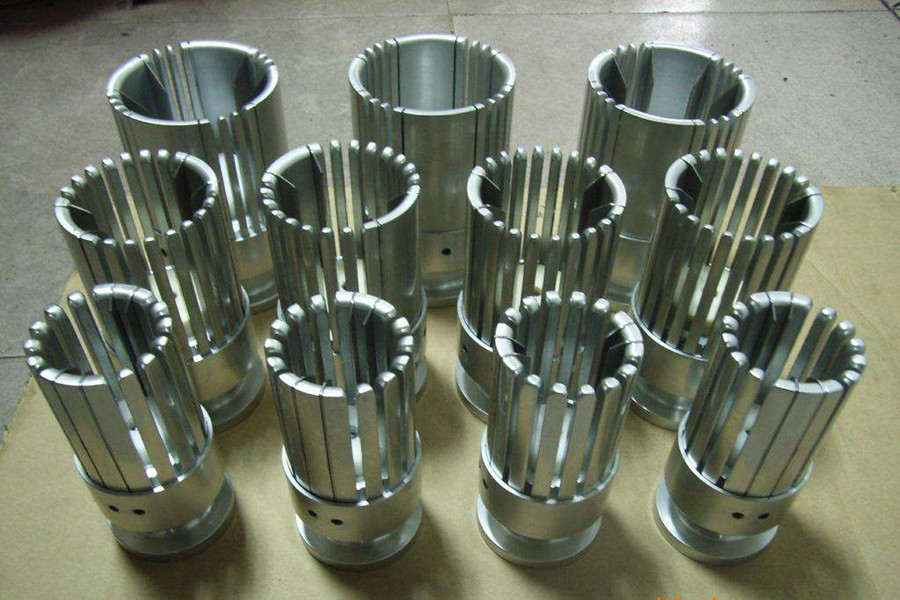
Back in the 1970s, tests on how metals flow led to an accidental find. When cooled halfway, certain molten mixes acted strangely under movement – almost like thick paste shifting slowly. That odd behavior sparked something different. From there, a fresh way to shape parts began taking form.
Initial Exploration and Testing
Back in the day, a team at MIT kicked off work on how metals act when they’re partly liquid. Shaking things up made the metal mix move smoothly, almost like syrup. Left alone, it stiffened again, holding its shape. Those first tests opened doors to handling molten materials in new ways.
That way of acting let people shape metal mixes while pouring them. Not long after, those who build things started testing uses in factories.
Commercial Adoption
Into the eighties and nineties, companies began taking a closer look at semi-solid casting. Car makers took an early interest, using it to make aluminum components instead of older methods.
Faster progress came once tools improved, while tighter control over steps sped things up even more. Now it shows up across industries where performance matters most.
How it grew over time makes clearer why so many versions of the method show up now.
Types of Semi-Solid Casting
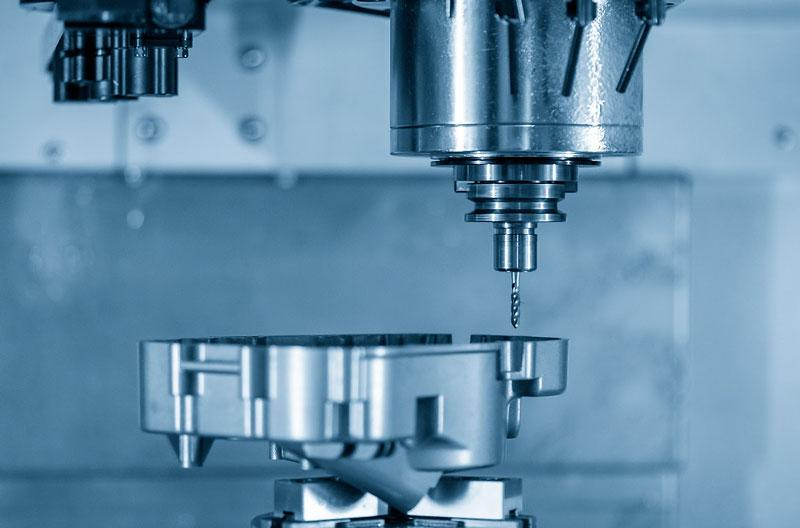
From time to time, metals take on a goopy state before turning solid – this phase helps shape parts through special techniques. Not every approach handles that goo the same way when squirting it into shaped holes.
Thixocasting
Starting halfway between solid and liquid, thixocasting warms unique metal slugs just enough. Their round-grained internal shape helps them move easily when pushed into molds.
From there, heat brings the substance back to flow. Into a mold it goes, pushed by machinery much like what shapes metal under pressure.
Rheocasting
From liquid metal, rheocasting creates a thick mixture right away. Rather than warming solid pieces again, the process cools the melted material slowly. Stirring it along the way helps shape round grains inside. Treatment during cooling does the same job – building globular structures as it goes.
Usually, this approach cuts down on how much it takes to get materials ready when you stack it against thixocasting.
Thixomolding
Magnesium alloys usually take shape through thixomolding. Inside a custom-built unit, flakes of metal warm slowly – just enough to turn gooey before sliding into cast forms.
A different way begins by mixing plastic molding into how metals are poured. Some steps borrow from both shaping methods at once.
Finding our way through the main categories makes what comes next clearer. Step by step, the method behind semi-solid casting begins to unfold in a different light.
What are the Semi-Solid Casting processes?
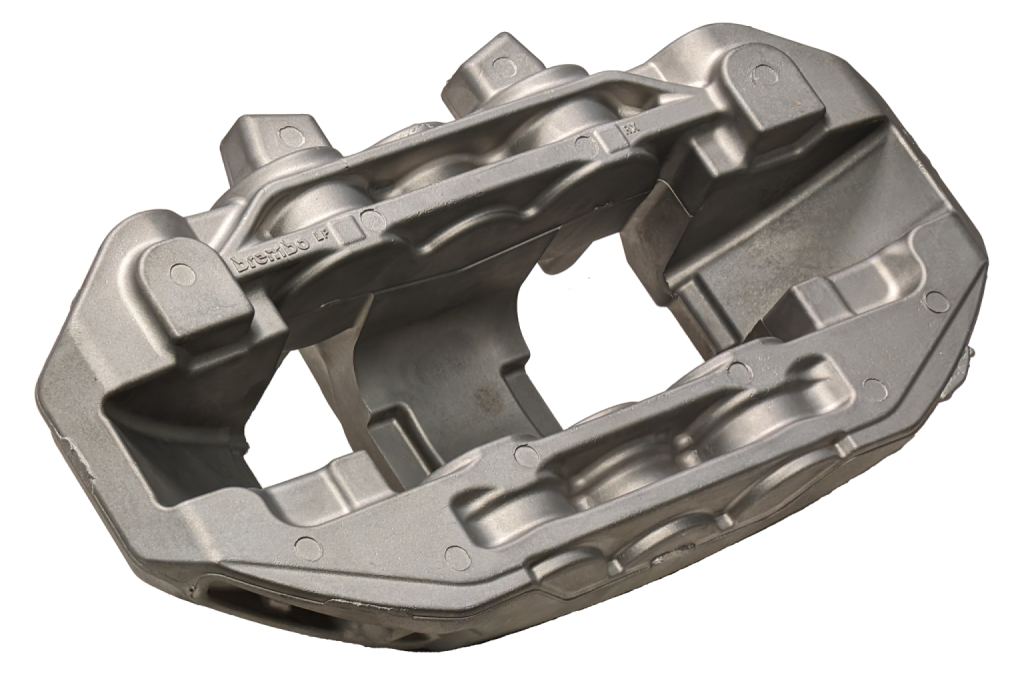
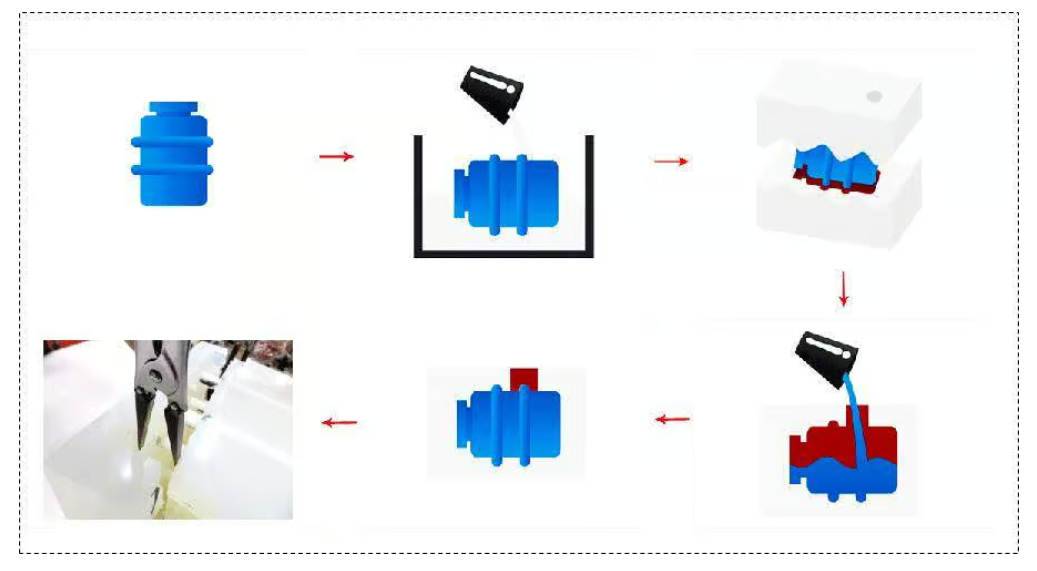
Frozen just enough, the material moves through steps one by one. With every step, consistency stays right – thick but still flowing – as it takes shape.
Slurry Preparation
A thick mix comes together when billets get warmed up again. Or it forms if liquid metal slowly loses heat, shaped just right along the way.
A rounder grain shape helps material move easily through the mold. Smooth progression depends on how evenly those tiny structures form. What matters most shows up when everything flows without catching. Little spheres make space for steady advancement. Filling works better if each particle rolls into place.
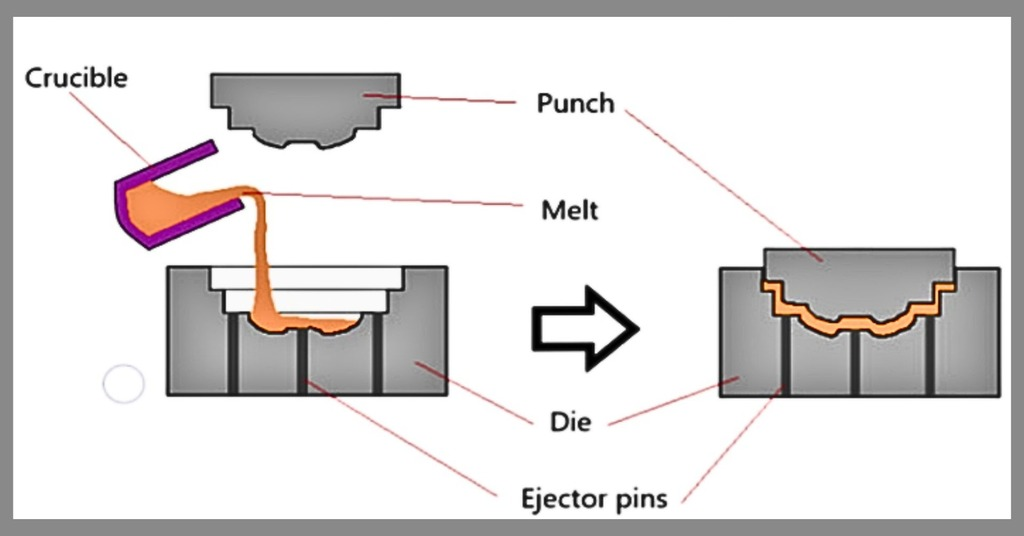
Injection or mold filling
With the mix just right, pressure pushes it into the form. Filling each gap completely usually needs strong force behind it.
Flow stays smoother since the substance isn’t fully liquid, unlike melted metal which churns more.
Solidification and Cooling
Once the mold is full, cooling begins slowly. That near-set state helps even hardening across the piece.
Less material is lost during processing, which means the finished part holds up better under stress.
Folks who get how it works often wonder next – what pushes companies toward semi-solid casting when older ways exist?
What are the advantages of Semi-Solid Casting?
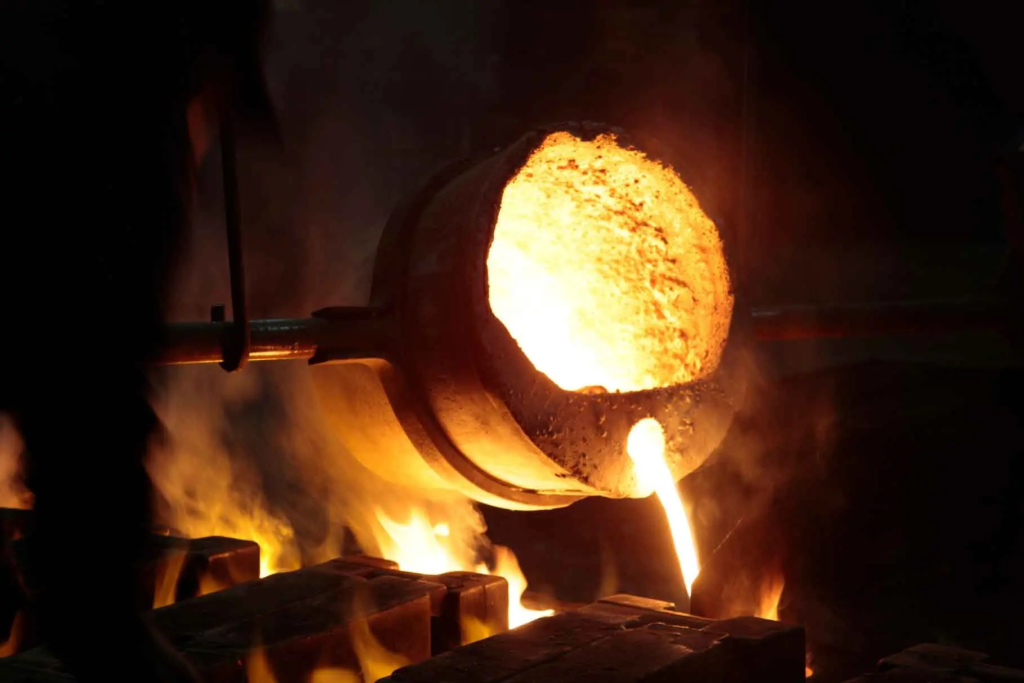
One reason folks pick semi-solid casting? It handles detail better than older methods. Quality matters most when parts must perform under stress, so shops keep coming back. Smooth flow during pour means fewer flaws hide inside the metal. That reliability suits tough jobs in aerospace or medical gear. Less rework saves time without cutting corners. Shops stay busy because results beat standard approaches.
Improved Mechanical Properties
Stronger parts often come from semi-solid casting methods. Because of the round-shaped grain structure, they handle stress better. This kind of internal layout boosts how much bending it can take before breaking. Lasts longer under repeated loads thanks to that smooth texture inside.
Facing tough conditions, these parts hold up better over time.
Reduced Casting Defects
Slippery thick liquid eases into forms without churning much. Because of that, holes from trapped air or sinking material show up far less often.
Fewer mistakes mean less stuff gets tossed out. Machines running steady keeps expenses down too.
Better Dimensional Accuracy
Poured while thick, the metal holds shape well. Because of this, fewer cuts are needed once shaped.
Fewer steps in the process mean factories finish faster while output climbs steadily. Machines run smoother when tasks line up right, cutting delays without extra effort.
Because of what it offers, plenty of fields stick with this tech without thinking twice.
Applications of Semi-Solid Casting
Few manufacturing methods shape metal like semi-solid casting, especially where strength matters without added weight. Though exactness counts, this technique holds up well under demands for durability.
Automotive Industry
Few industries rely on semi-solid casting like car manufacturing does. From suspension pieces to parts that guide how vehicles turn, these elements often come from this process. Housings for gear systems also take shape here more than you might expect.
Lighter pieces still hold up well under stress. Though built thinner, they resist breaking better than before.
Aerospace Industry
Heavy loads mean planes need strong yet light parts. Because of this, makers turn to special metals. One method shapes aluminum and magnesium just right. It uses a goop-like state to form pieces. That way, they hold up under pressure. Still, weight stays low. Performance gets better without adding bulk.
Planes use less fuel because of this, while also holding up better under stress.
Electronics and Industrial Equipment
From phones to factory gears, it shows up in device casings, cooling elements, besides heavy-duty components. Precision takes shape through semi-liquid pouring, along with solid heat transfer traits.
Built for precision, this suits intricate parts needing exact measurements. It handles strict specs without compromise.
Fresh off the production line, parts need to pass tight checks before landing in buyer’s hands.
Testing quality in semi-solid casting?
Checking quality matters a lot when making semi-solid cast items. To confirm pieces handle stress and hold their shape, companies run different kinds of tests.
Microstructure Analysis
Finding tiny round grains matters most when checking cast pieces under magnification. Microscopes help engineers look deep inside the material instead of guessing what lies beneath.
Structure that holds its shape often means the semi-solid mix was handled right.
Mechanical Testing
Firmness, toughness, strength – these come from mechanical checks. When results line up with expectations, the cast part passes. What holds under stress usually works right where it needs to.
Faults in how things are made can show up more easily because of them.
Non-Destructive Testing
Inside flaws show up through techniques like X-ray checks, while keeping parts intact. Sound wave scans also reveal hidden issues within materials. These ways avoid harm to the object being examined.
Faults like cracks or tiny holes won’t go unnoticed thanks to these checks. Hidden weaknesses inside the cast get revealed through careful testing. Flaws buried beneath the surface show up when examined closely. The structure stays sound because problems are caught early.
Finding solid foundries becomes key after setting those quality benchmarks.
Where to find a good Semi-Solid Casting company?
Starting strong means picking a solid semi-solid casting partner without cutting corners. Equipment that runs smoothly makes a difference – so does having engineers who know their way around the process. Quality checks? They need teeth, not just paperwork. Behind every good batch stands consistency you can count on.
A name that stands out among makers here? Fuchun Casting. Check their site – https://www.fuchuncasting.com – to see how they shape metal, what tech runs their shop, plus the know-how behind their builds.
Businesses looking for strong parts might find what they need through teams such as Fuchun Casting. Their work in semi-solid methods brings results that hold up over time. What matters most shows in every piece made. Trust builds slowly when quality stays steady. Each project moves forward without surprise setbacks because of tested processes behind it.
One smart choice opens doors to smarter production methods. A solid team-up turns complex tools into real results. Working alongside the right expert makes high-level manufacturing click. Good timing plus shared goals unlock what machines alone cannot.
Summary
Starting halfway between liquid and solid, metal takes shape through semi-solid casting. This method mixes traits from both pouring and pressing metals. Parts come out strong, precise, close to perfect. Fewer flaws appear when the material moves slowly into form. Shaping happens gently, not fully melted, not entirely hard.
These days, you’ll find the tech everywhere – from car factories to space gear and gadgets. It started out just in labs, but slowly moved beyond those walls.
Faster production needs mean semi-solid casting will likely play a bigger role soon. This method builds tough metal parts without wasting time or material.
 English
  Spanish
  Portuguese
  French
  German
  Italian
  Arabic
  Russian
  Korean
  Chinese