
Table of Contents
Getting parts made with smooth surfaces and exact sizes often leads people to try plaster mold casting. This method fits well when shapes are tricky but spending on hard tools does not make sense. People in charge of design or buying notice it more now because products keep getting harder to build. Since details matter more today, this older technique finds fresh attention among those who shape how things are made.
Looking into plaster mold casting? Most folks check how it stacks up against other methods. A closer look reveals its process flow, step by step. Material options come next – what fits, what doesn’t. Reliability tends to pop up often in searches too. Suitability for small batches versus mass runs matters just as much. Clear answers sit right here, laid out without detours.
What is Plaster Mold Casting?
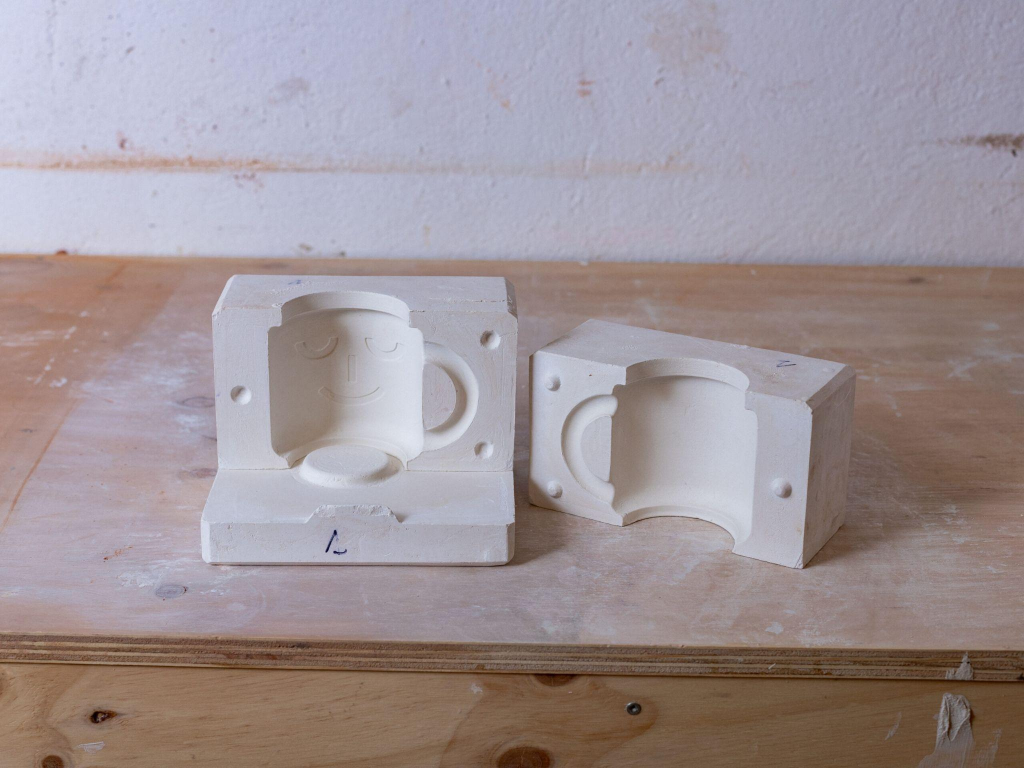
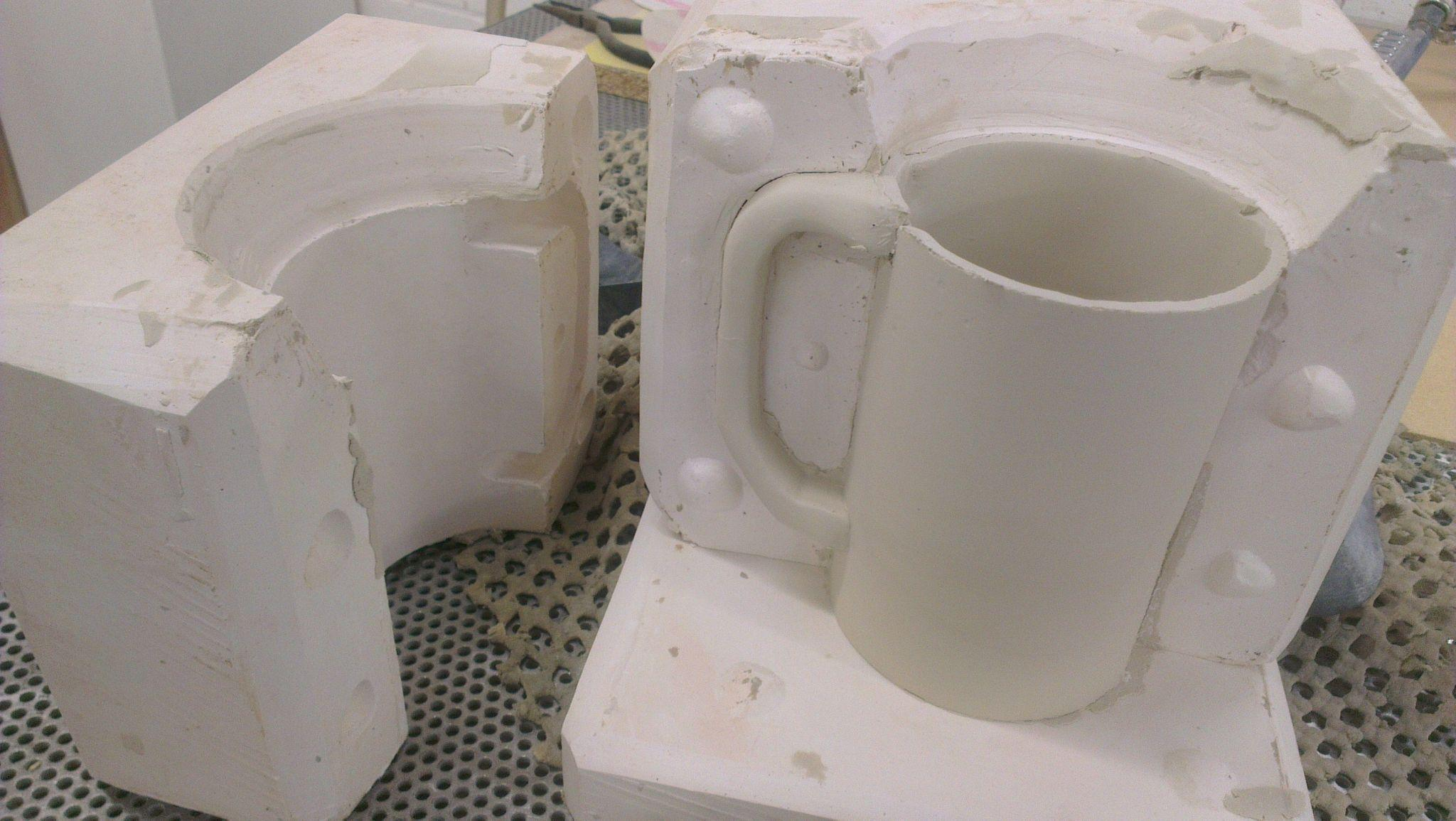
Starting off with a soft mix of gypsum, workers shape it into forms meant just for one use. Once firm, these molds receive glowing liquid metal. From there, the material takes its new shape as things cool down slowly. When fully solid, hands knock apart the brittle shell to reveal what’s inside.
With its tiny particles, plaster molds pick up fine textures and even finishes. Because of this, the finished surface looks better compared to sand casting. Less post-processing work is needed thanks to that precision.
Fewer heat demands make aluminum, magnesium, zinc, or copper alloys fit well. These metals dominate since they won’t crack the mold. Plaster casting leans on such lighter-duty melts.
History of Plaster Mold Casting
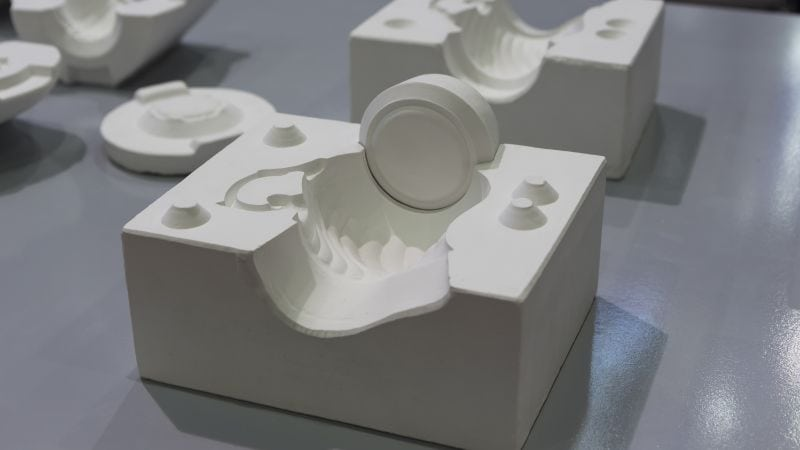
From old times, people shaped metal using casts made of plaster. Long ago, societies molded useful and ornamental items with earthy materials. Detail stayed sharp because the substance held fine shapes well.
Began in factories, plaster mold casting grew through the 1800s. Strength jumped when makers tweaked the mix. Heat held up better, too. So parts for machines started coming from these molds instead.
Nowadays, factories often turn to plaster mold casting. This method sticks around since it mixes tight tolerances with adaptability and low expense. Precision components? They come from this process across many fields.
Plaster Mold Casting Variations
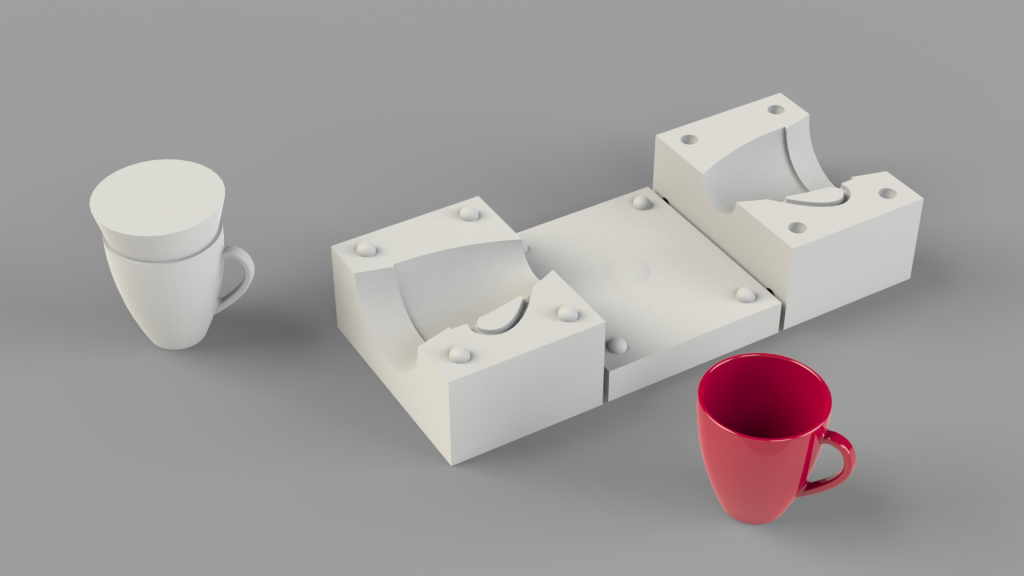
A way of making things with plaster molds isn’t stuck to just one fixed process. Some versions pop up depending on what shape or finish a product needs. Buyers get clearer options when they see how each kind differs.
Traditional Plaster Mold Casting
A single kind of plaster mold casting shows up more than others. Built around a mix of gypsum plus extras that adjust firmness and drying speed, it holds its own across many jobs. Most pieces made from aluminum or copper alloys fit right into this process. People pick it when trying out ideas or making small batches – quietly practical, never flashy.
Vacuum Assisted Plaster Mold Casting
With suction helping the flow, plaster molds fill more completely during casting. Air pockets shrink that way, so surfaces come out smoother. Thin parts with fine details turn out better using this approach. Precision matters most – that is why engineers pick it.
Stronger plaster mold casting
Starting strong, reinforced plaster mold casting mixes in fibers or ceramic bits right inside the mold structure. Because of these added materials, the mold holds up better under stress while resisting cracks more effectively. When it comes to big parts or shapes with tricky insides, this version works especially well. Holding its shape tighter during production gives it an edge in consistency.
What are the Plaster Mold Casting processes?
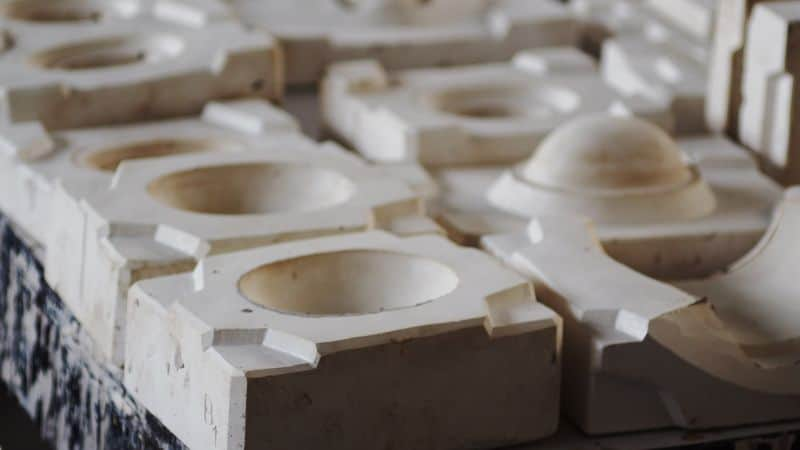
Start by seeing how things move through the system – it shapes what you can build and how well it works. Every stage touches precision, smoothness, and strength in some way. When conditions stay steady, outcomes tend to match up every time.
Pattern Design and Preparation
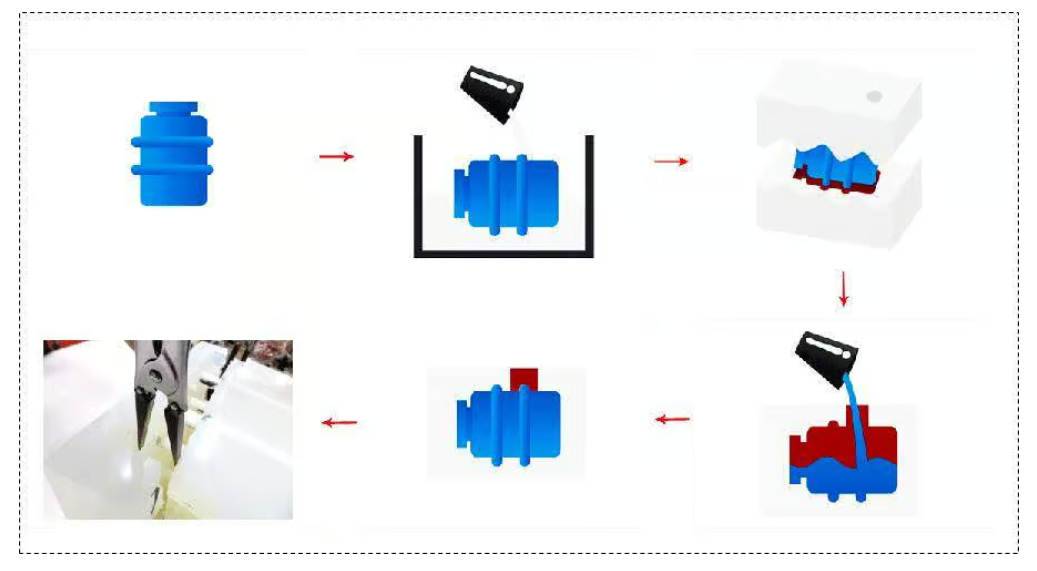
Starting off, someone sketches the shape needed. These models come in materials like metal, sometimes plastic, occasionally wood – each built a bit larger to handle shrinking later. When the outline fits just right, mistakes drop way down. If it is wrong, the final piece might end up twisted or out of size.
Mixing plaster slurry and forming molds
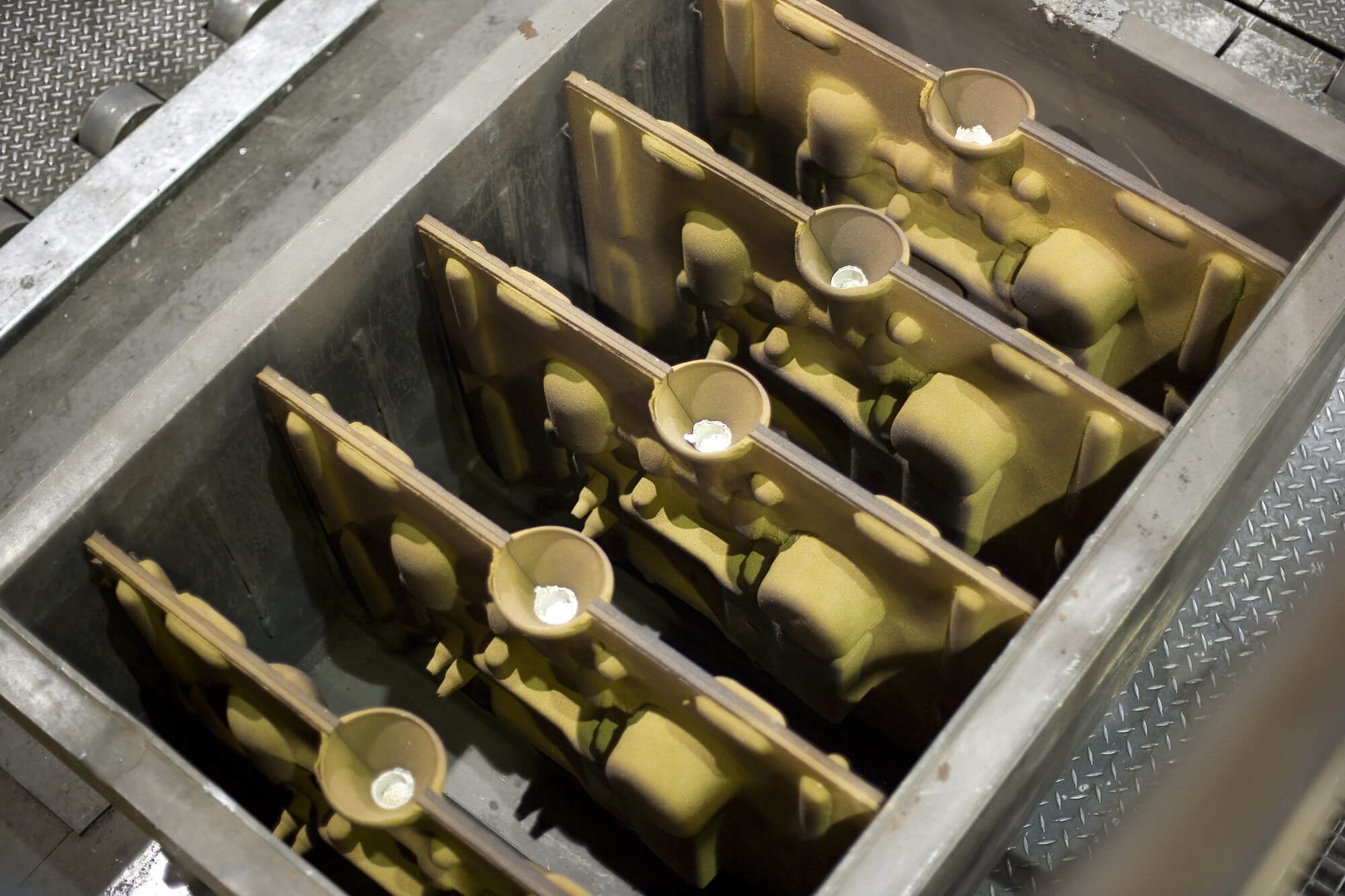
Pouring begins after blending gypsum, water, and helpful extras into a smooth mix. Over the model it flows, filling space where metal will later run. When stirred just right, every part holds together well yet lets gas escape. How cleanly that pour settles shapes how fine the outer skin turns out.
Mold Drying and Preheating
Once set, off comes the mold – into the oven it goes. Moisture vanishes during drying, stopping unwanted gas pockets later. Preheating follows, warming the mold so molten metal moves better. Getting the heat right here makes all the difference.
Metal Pouring and Solidification
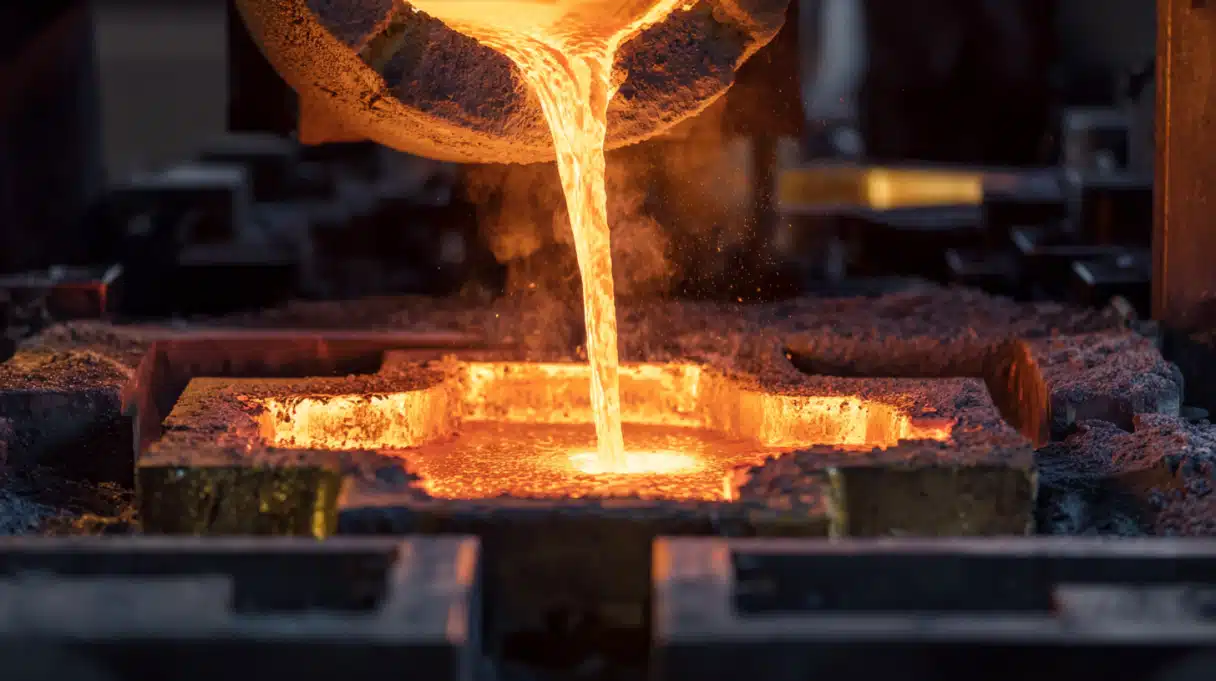
Into the warm mold flows molten metal, steady and even. Because timing matters, each pour moves slow enough to avoid rough splashing. This gentle approach keeps the mold intact longer. As heat fades, the liquid begins to harden. What happens next depends on how fast cooling occurs – slower drops tend to form larger crystal patterns inside.
Mold Removal and Finishing
Now hard, workers knock off the mold piece by piece. After that, leftover bits like gates and risers get knocked out too. A quick surface cleanup follows, just enough to smooth things out. Sometimes a light machine touch happens – only when needed. From there, it heads straight into checkup rounds.
What are the advantages of Plaster Mold Casting?
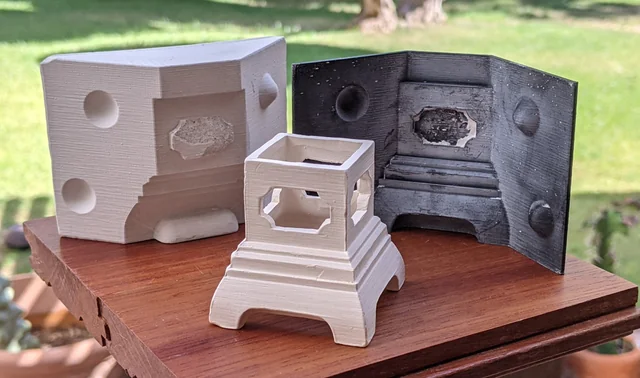
One reason shops pick plaster mold casting? It handles fine details without fuss. What stands out next is how smoothly it reproduces complex shapes. Some favor it because tooling costs stay low over time. Another point – surface finish tends to beat other methods hands down. Buyers also notice less need for extra machining after casting. Then there’s the speed of prototyping, which quietly adds up in value. Weight accuracy matters too, especially for parts needing balance. Fewer secondary steps show why some teams return to this process again.
Excellent Surface Finish
Smooth results come from plaster mold casting, capturing tiny details well. Unlike sand, plaster holds shapes more precisely. Less cleanup means time saved later on. Because less cutting is needed, things move faster overall.
High Dimensional Accuracy
Few changes happen to plaster molds during use. Because of that, they hold very close measurements. Parts match better when sizes stay true. Less fixing needed later on.
Ability to Handle Intricate Shapes
Sharp edges along with thin sections? Possible. Accuracy shapes what happens inside. Freedom in form brings better function. Fewer parts make up the whole thing now.
Lower Tooling Costs
One-time molds cut down on tooling costs. Because they cost less up front, they work well when compared to permanent mold methods. These are helpful during early testing or limited batches. Mistakes become less costly this way.
Works With Non Ferrous Metals
Fine results come from using aluminum alongside copper mixes in plaster setups. Because these melt at cooler temperatures, the mold stays strong. Choices in metals aren’t tightly limited here. Better output shows up when materials are matched wisely.
Reduced Machining Requirements
Fewer machine passes happen on slick finishes. Because of that, workers spend less time shaping parts. Tools last longer between replacements. Orders move faster from start to finish. The whole line runs with fewer pauses.
Improved Part Consistency
Mold prep done right makes results repeatable. When things stay steady, less material gets tossed out. What you get turns out about the same every time. People who buy care if it holds up.
Faster Prototyping Cycles
Out of nowhere, patterns shift fast. When tweaks show up, designs adapt without hassle. Development moves quicker once changes land. Getting products out the door? That part speeds up too.
Better Edge and Detail Definition
Molded plaster holds crisp edges well. Because fine shapes stay intact, both look and function matter just as much. The result feels clean to see. When surfaces work right, they also appear true.
Cost Efficient Small Batch Manufacturing
Not every method keeps expenses down while holding up well. This one skips the heavy machinery costs. Better finish than most budget options shows here. Odd little items tend to fit right in. Still, it does not try to handle mass runs.
Applications of Plaster Mold Casting
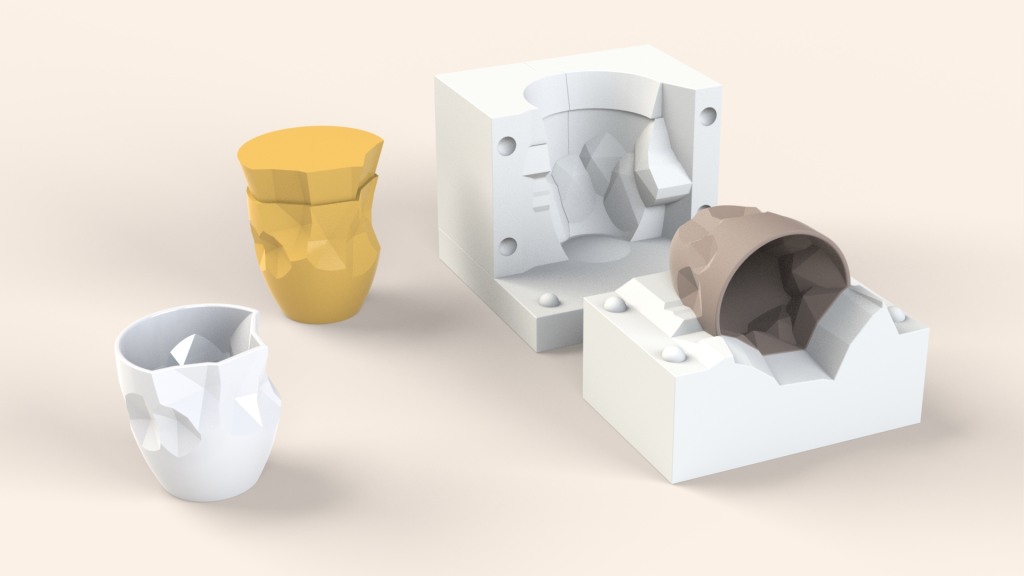
A finish that holds tight to detail keeps plaster mold casting in play across tough markets. Where smooth surfaces count, different fields turn instead of walking away empty-handed. Actual shop floor needs shape how often it shows up on blueprints.
Aerospace Components
Not just precise – aircraft components must work without fail. With plaster molds, staying within narrow limits becomes doable. Lighter builds? That can happen too. Finishes matter a great deal here. What meets the eye often decides performance.
Car prototypes and small batch parts
With plaster molds, automotive engineers build prototype parts. This way, designs get tested quickly. Some unique pieces come from it too. Mistakes in development happen less often.
Medical Equipment Components
Tiny medical pieces need exact details plus flawless finishes. Because plaster molds handle fine forms, they fit health standards well. Intricate designs come out clear. Getting measurements right matters above all else.
Industrial Machinery Parts
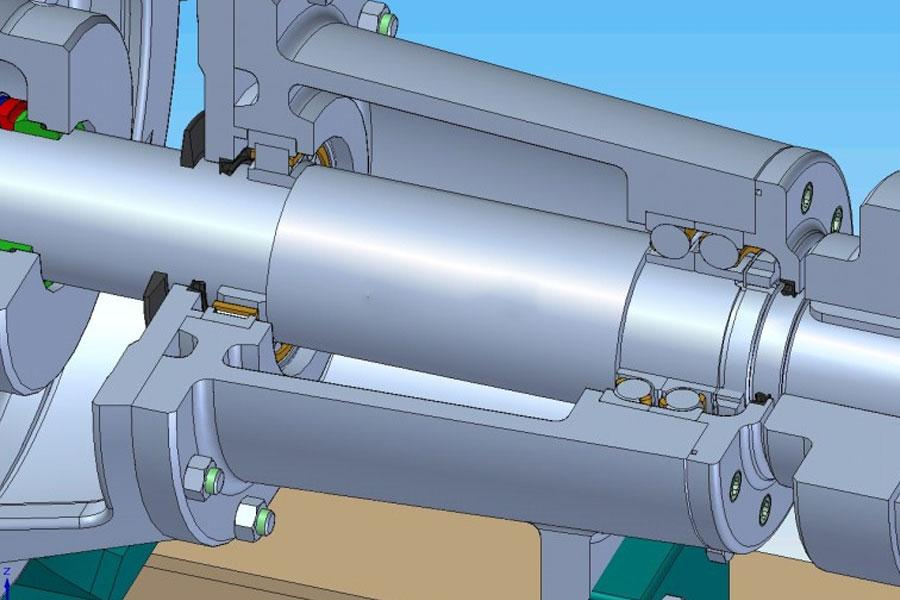
Inside parts of machines sometimes include hidden channels. Because plaster mold casting can handle such shapes, it works well here. Take pump casings – they show how useful this method is. How things line up counts. So does how long they last.
Cast Metal Designs For Buildings And Decor
Fine details show up clearly in decorative metal pieces. Because textures transfer precisely, surfaces look exactly as intended. When unique patterns are needed, they can take shape without issue. The result? Visual appeal that holds strong from every angle.
Electrical and Electronic Housings
Got it right every time when things line up just so. Sliding together without catching helps keep the cold out. Staying true to size matters more than most think. Count on it working if built to last.
Defense and Military Parts
Tiny flaws can’t survive inspection here. Through careful shaping, plaster molds meet tight standards. These mixes include metals built for toughness. Failure isn’t an option when performance matters most.
Energy and Power Equipment
Stability begins with solid parts inside energy setups. Efficiency gets a boost when housings fit just right. Performance finds help through plaster mold casting. What lasts over time holds importance. Reliability isn’t built overnight.
Research and development prototypes
Quick tweaks keep researchers moving. When designs shift, adjustments happen without delay. Money stays within limits because of steady oversight. New ideas move faster under this rhythm.
Custom Industrial Hardware
Out there, custom gear usually means small batches. Shapes that stand out? They need a process that bends rules. Plaster molds step in – easy to tweak, without breaking budgets. Expense stays flat, even when forms get odd.
How to test the quality of Plaster Mold Casting?
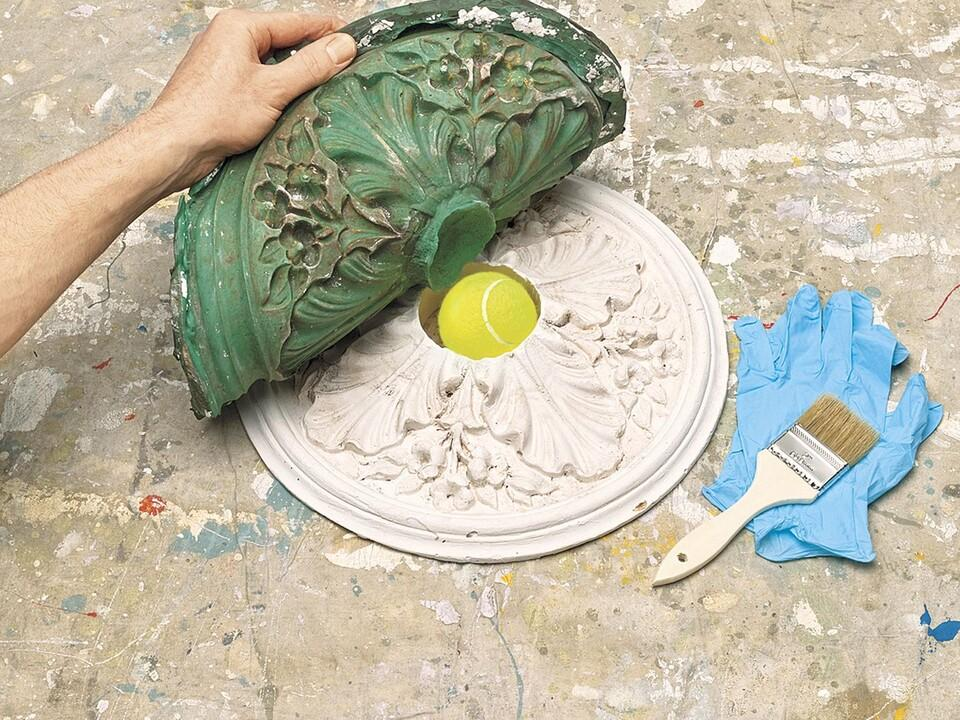
Checking quality makes sure plaster mold parts fit what they need to do. Good suppliers look at things many different ways. One check does one job only.
Visual and surface inspection
Looking closely at surfaces, inspectors spot cracks. Porosity shows up under careful review. Misruns get caught before things go further. Spotting issues early keeps bigger problems away. How a part looks matters just as much as how it works.
Dimensional Accuracy Testing
Fine detail shows up clearly when tools check dimensions. Whether it’s calipers or a machine doing the work, results stay consistent. The tighter the numbers match design, the better the mold turns out. Parts come together smoothly only if measurements hold true.
Mechanical and Material Testing
Strength plus hardness get checked through mechanical trials. What the alloy contains comes clear after chemical scans. Each performance rule ends up confirmed by testing steps. Risk stays low because safety rules hold firm.
Non-Destructive Testing Methods
Faults inside show up through X-rays. Cracks on the outside appear with dye tests instead. Components stay intact throughout. Better dependability follows from these checks.
Documenting Steps and Connections
Every batch leaves a paper trail. Because checks happen regularly, someone always answers for results. When you follow the path backward, doing it again becomes possible. Requesting proof? That comes down to whoever buys.
Find a Reliable Plaster Mold Casting Service?
Picking a solid supplier makes a big difference. What counts: how long they’ve been doing it, how well they manage their work, and if their quality checks hold up. When someone knows their stuff, problems happen less often. Better results start with who you choose.
Behind every strong cast is a team ready to help with design tweaks. When experts weigh in early, outcomes get better without extra steps. Machines that keep pace mean fewer surprises down the line. Sticking to routine checks keeps quality steady. What counts most shows up in repeat runs.
A solid pick when searching for someone who makes plaster molds well is Fuchun Casting. With sharp attention to detail and deep knowledge in design, they deliver accurate castings every time. Quality checks run tight throughout each step of their process.
Summary
Starting off, plaster mold casting delivers sharp details along with smooth surfaces. Because of its precision, intricate shapes become possible without much effort. Usually found in workshops that handle small batches, it fits well when volume isn’t extreme. From automotive parts to artistic pieces, different fields keep using it regularly.
Knowing how it works, its benefits, its uses – this shapes smarter choices. Performance stays consistent when tests check quality. Picking the right supplier matters just as much.
When paired well, plaster mold casting brings solid returns. Still strong today, it holds its place in current production methods.
 English
  Spanish
  Portuguese
  French
  German
  Italian
  Arabic
  Russian
  Korean
  Chinese