진공 주조: 궁극의 가이드

목차

Vacuum casting is a common manufacturing technology for the production of high-quality plastic and rubber parts. Its biggest advantages lie in prototyping and low-scale productions in terms of speed, accuracy, and aesthetics. Many product developers use this technology to pre-manufacture a design before mass-producing it.

Individuals on the look-out for vacuum casting may be comparing manufacturing processes or vendors. They would like to know more about price, material, quality, or reliability. These concerns will be answered by this guide.

What is Vacuum Casting?

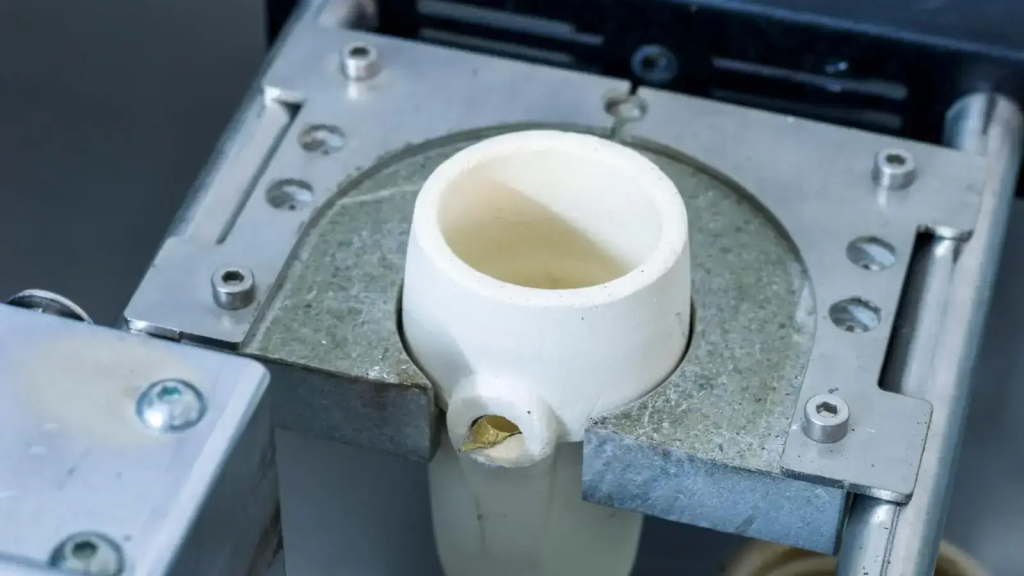
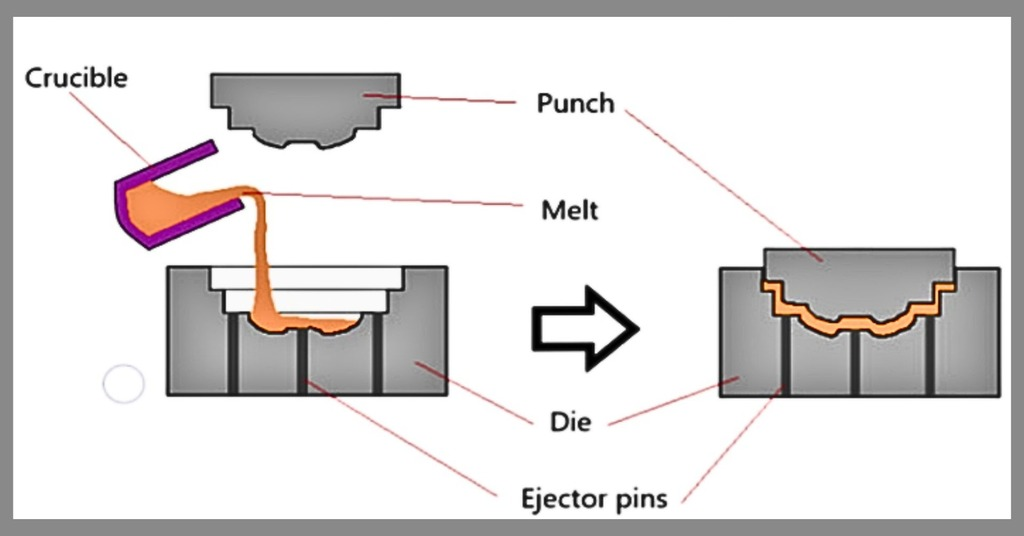
Vacuum casting is a manufacturing process involving the use of silicone molds manufactured through vacuum casting to produce a part. The process involves pouring liquid resins into the mold while evacuating the space. This eliminates any possibility of bubble formation as well as ensuring a smooth finish on the part produced.

This method is preferred for small-scale production as well as functional prototypes. It bridges the gap between three-dimensional printing and injection molding. Various sectors apply this method in order to cut costs and shorten the development process.

Vacuum casting is highly accurate. It can recreate details as well as complex shapes. This is ideal for testing as well as viewing.

History of Vacuum Casting

Vacuum casting started as a method of duplicating models without expensive tooling. It was applied for the first time in industrial design studios. Designers required fast and flexible methods for replication.

The growth of rapid prototyping ensured wide adoption of vacuum casting. Quicker development cycles were needed by manufacturers. A practical solution came from vacuum casting.

Today, vacuum casting is a mature manufacturing technology. Improved materials and equipment have widened the circle of its application. Nowadays, the method is common for many industries.

Types of Vacuum Casting

There are several types of vacuum casting, each with variations in materials and applications. Each variation presents different mechanical and aesthetic properties. Understanding options will help buyers make informed decisions.

Polyurethane Resin Vacuum Casting

The most common vacuum casting material is polyurethane resin. It can simulate ABS, PP, nylon, or rubber-like plastics, and thus is ideal for functional prototypes.

These resins offer good strength and surface finish. They are suitable for rigid and semi-flexible parts. Many industries rely on them for performance testing.

Silicone Rubber Vacuum Casting

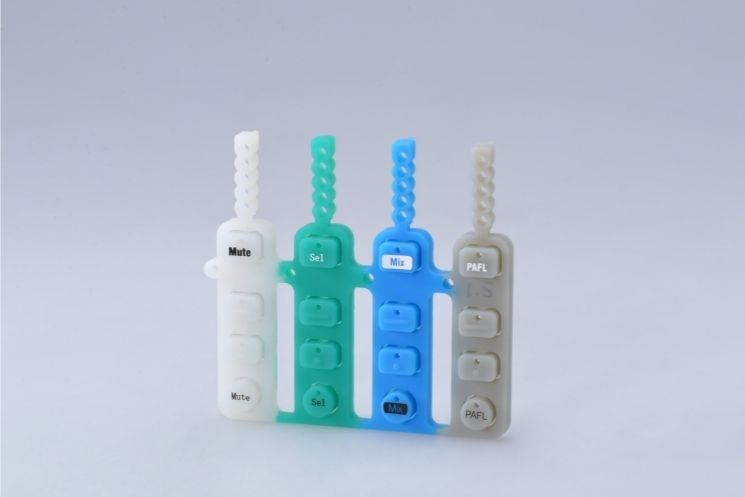
Silicone rubber vacuum casting is employed for soft and elastic components. It finds common usage in medical and consumer applications. The main advantages are flexibility and toughness.

It avoids tearing and repeated deformation; therefore, it performs well in dynamic environments. That is the reason it is suitable for seals and soft-touch parts.

Clear translucent vacuum casting

Clear vacuum casting is a method that incorporates transparent resins for optical or visual parts. These are usually polished after casting. Quite high clarity can be attained in this process.

This type is used for lenses and light covers. It allows the evaluation of light transmission. Visual realism is very high.

Casting of High-Performance and Special Materials

Some applications require heat resistance or flame retardancy. Special resins are used in industrial and electronic environments in which performance standards have to be met.

Materials that ensure reliability under stress. Selection will be done on a per-project basis. This flexibility is among its major advantages.

Rigid Plastic Vacuum Casting

Rigid plastic vacuum casting is used for hard structural parts. These materials simulate ABS or polycarbonate behavior. They are ideal for housings and frames.

Parts maintain dimensional stability. They perform well under load. Functional testing becomes reliable.

Flexible Polyurethane Casting

Flexible polyurethane casting creates rubber-like components. It is used where bending or compression is required. Many consumer products use this option.

Different hardness levels are available. Performance can be tuned precisely. Application requirements are easily met.

Color-Matched Vacuum Casting

Color-matched vacuum casting produces parts close to final appearance. Pigments are added during casting. Painting may not be required.

This is useful for marketing samples. Visual consistency improves. Branding requirements are supported.

What are the Vacuum Casting Processes?

Understanding the vacuum casting process helps buyers assess quality and reliability. Each stage influences accuracy and surface finish. Professional suppliers control every step carefully.

Master Pattern Creation

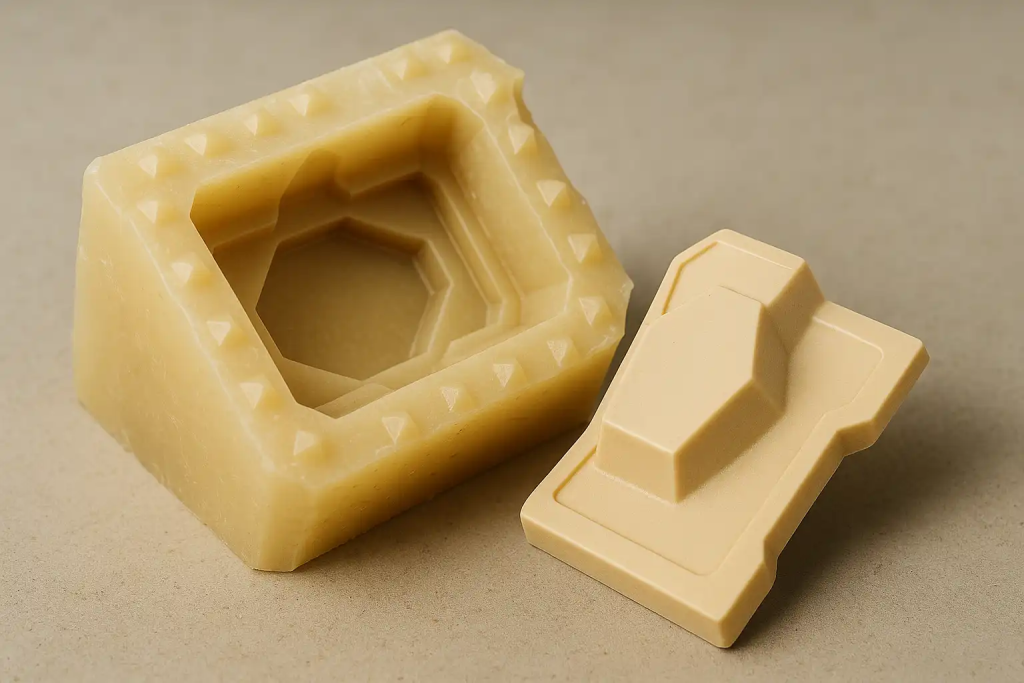
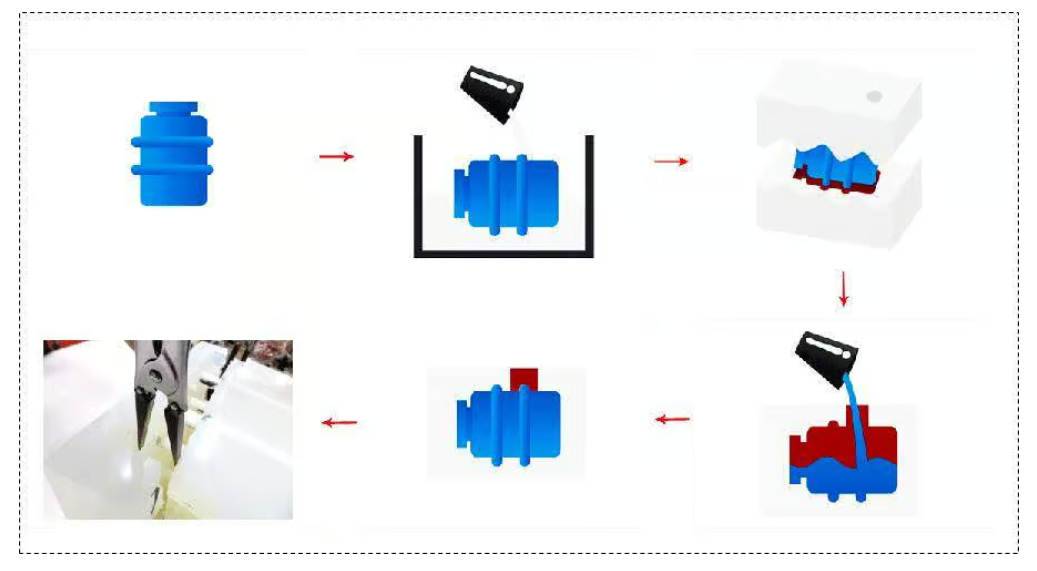
The process starts with a master pattern. It is produced using CNC machining or 3D printing. The master defines final geometry.

Accuracy is critical at this stage. Any defect will be replicated. High-quality masters ensure consistency.

Silicone Mold Making

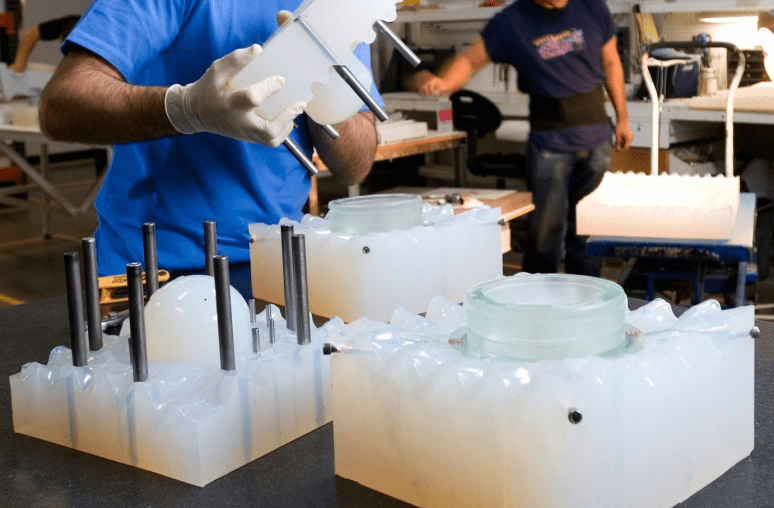
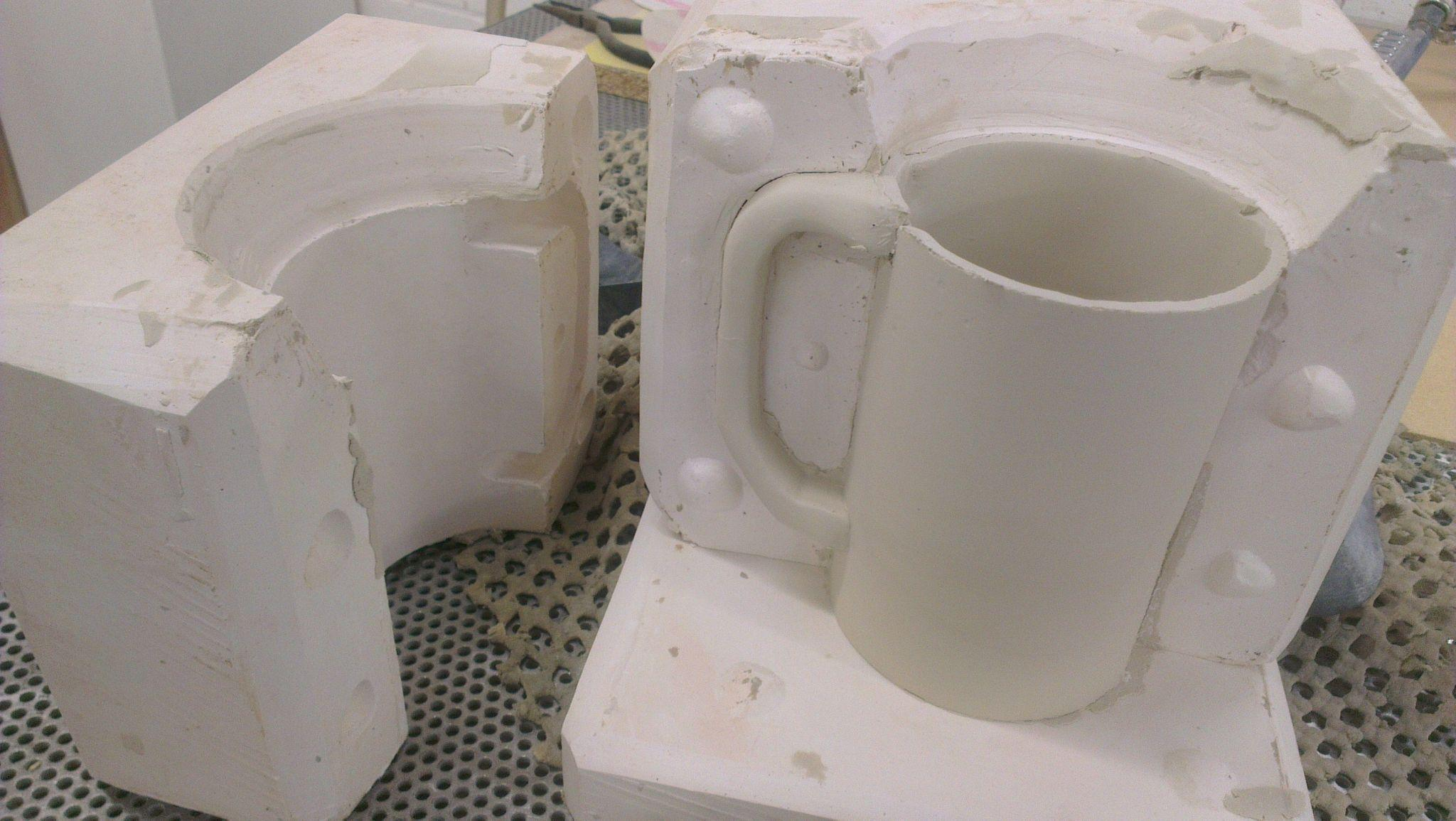
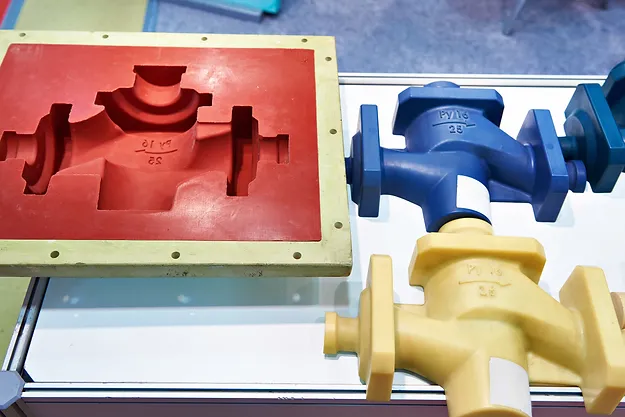
Liquid silicone is poured around the master. It cures into a flexible mold. The mold is carefully split.

Silicone molds capture fine details. They can be reused multiple times. Tooling cost is reduced.

Vacuum Degassing and Pouring

Casting materials are mixed and degassed under vacuum. This removes trapped air. The material is then poured into the mold.

Vacuum conditions prevent bubbles. Surface quality improves. Structural integrity increases.

Curing and Demolding

The mold is left to cure under controlled conditions. Curing time depends on material choice. Consistency is ensured.

Once cured, the part is removed. Minor trimming may be needed. The cycle is completed.

Material Mixing and Ratio Control

Accurate mixing ratios are essential. Resin balance affects strength and curing. Strict control prevents defects.

Experienced suppliers follow precise procedures. Consistency depends on this step. Quality risks are minimized.

Vacuum Chamber Control

Vacuum pressure must be stable. Proper control prevents air entrapment. Surface defects are reduced.

Modern chambers allow precise adjustment. Repeatability improves. Quality remains consistent.

Post-Casting Finishing

Post-casting finishing improves appearance and function. Trimming removes excess material. Surface treatment may follow.

Optional painting or coating is available. Durability improves. Final presentation is enhanced.

What are the Advantages of Vacuum Casting?

Vacuum casting offers multiple benefits for product development. It combines speed, flexibility, and quality. These advantages make it widely adopted.

뛰어난 표면 마감

Vacuum casting produces smooth and detailed surfaces. Minimal post-processing is needed. Visual quality is high.

Textures and logos are replicated accurately. Presentation models look professional. Customer approval improves.

Low Tooling Cost

Silicone molds cost far less than metal tooling. Initial investment is low. Small batches become economical.

This benefits startups and developers. Risk is reduced. Budget control improves.

Fast Production Time

Vacuum casting offers short lead times. Parts are delivered within days. Development cycles accelerate.

Design changes are easy to implement. Iteration becomes faster. Time-to-market improves.

Material Flexibility

A wide range of materials is available. Properties can be customized. Realistic testing is possible.

Simulation of final materials improves confidence. Performance evaluation becomes accurate. Design decisions are supported.

Ideal for Low-Volume Production

Vacuum casting is perfect for small batches. It avoids high tooling costs. Production remains flexible.

Pilot runs are cost-effective. Market testing is supported. Scaling decisions improve.

Easy Design Modifications

Design changes are simple to implement. Silicone molds are quick to remake. Iterations cost less.

This supports agile development. Innovation cycles shorten. Engineering flexibility increases.

High Detail Replication

Vacuum casting captures fine details. Sharp edges and textures are preserved. Accuracy is high.

This benefits aesthetic and functional parts. Visual realism improves. Design intent is maintained.

Applications of Vacuum Casting

Vacuum casting is used across many industries. Its adaptability supports diverse needs. Each application benefits differently.

Automotive Prototyping

Automotive manufacturers use vacuum casting for interior and functional parts. Fit and performance testing is supported. Costs are reduced.

Design validation occurs early. Tooling risks decrease. Quality improves.

Medical Device Components

Medical companies use vacuum casting for housings and enclosures. Precision is critical. Low-volume production is common.

Parts support testing and demonstrations. Material performance is reliable. Compliance requirements are supported.

소비자 가전

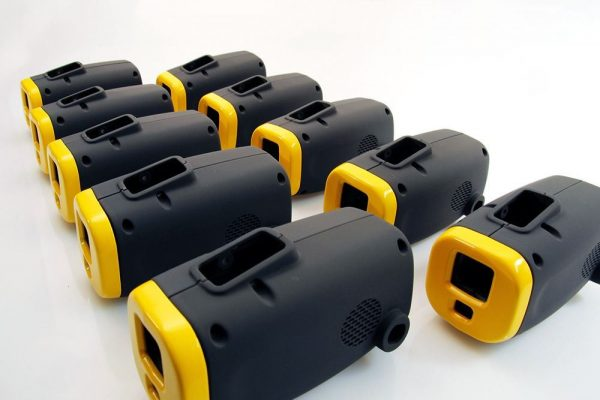
Vacuum casting produces electronic casings and connectors. Appearance closely matches final products. Visual accuracy matters.

Assembly testing improves. Marketing samples are realistic. Production risks decrease.

Industrial and Mechanical Parts

Industrial manufacturers use vacuum casting for custom components. Low-volume needs are met efficiently. Downtime is reduced.

Replacement parts are produced quickly. Tooling delays are avoided. Operations remain flexible.

Product Design Validation

Design teams use vacuum casting for validation models. These simulate final products. Feedback is gathered early.

Issues are identified before tooling. Development costs drop. Product quality improves.

Marketing and Display Models

Vacuum casting creates high-quality display parts. These are used for exhibitions and sales. Appearance is critical.

The finish looks production-ready. Customer confidence increases. Sales efforts are supported.

Aerospace and Defense Prototypes

Precision and reliability are needed in aerospace projects. Complex geometries are supported in vacuum casting. Low volume is fulfilled.

Test components are created swiftly. Performance is reviewed. Compliance is aided.

Testing Vacuum Casting Quality

Vacuum casting quality testing is imperative for ensuring that the parts fabricated have functional and aesthetic qualities needed by consumers or have functional abilities that make them marketable. In most cases, consumers searching for this product want quality and functional performance.

Quality tests must start right after molding and continue until a final inspection. Each type of test is centered on a different potential failure mode and, when done together, they offer a complete level of confidence regarding a failed part.

Visual Surface Inspection

Visual inspection is the initial step that requires immediate quality checking. It basically starts with the observation of the material for surface imperfections like bubbles, flow lines, sink marks, and textures. These are mostly signs of improper vacuum degassing.

Surface finish is also assessed for its uniformity and ability to reproduce details. It is important that logos, details, and sharp edges appear well defined. Any deviation may have an implication on the aesthetic as well as the practicality.

Early visual checks aid in the detection of systemic issues.

Dimensional Accuracy Measurement

Dimensional inspection is a process whereby a cast part is inspected for its dimensional accuracy by ensuring that the part fully meets the CAD design. This is accomplished by using calipers or coordinate measuring machines. Furthermore, critical dimensions are given preference along with zones of tolerance.

Dimensions must be precise to assemble correctly. Even tiny errors may result in discrepancies or mechanical conflicts. These specifications remain relevant, especially when it comes to combining or enclosing components.

Dimensional data is typically measured and compared within samples. This serves to verify process stability. Stability is just as important as accuracy.

Material Property Testing

Material testing verifies that the selected resin performs as expected. Properties such as hardness, tensile strength, and flexibility are evaluated. Tests are chosen based on the part’s intended use.

For functional prototypes, material accuracy is critical. The goal is to simulate final production behavior as closely as possible. Incorrect material performance can invalidate testing results.

Material tests also confirm proper curing. Incomplete curing can weaken parts and reduce durability. This step ensures long-term reliability.

Fit and Assembly Testing

Fit testing checks how the vacuum cast part interacts with other components. Parts are assembled into their intended systems or fixtures. Alignment, clearance, and interface accuracy are evaluated.

This step helps identify design or tolerance issues. Problems discovered here are far less costly than after tooling investment. Adjustments can be made quickly.

Assembly testing also validates real-world usability. It confirms that the part performs its intended function. This is especially important for functional prototypes.

Bubble and Void Detection

Internal bubbles and voids are problematic for vacuum cast components. Such damage might not always project from the surface.

Voids usually occur because of improper vacuum control or pouring. Their detection is an affirmation of effective degassing. Bubble-free components assure successful processing.

Removal of internal defects helps remove weaknesses or flaws in strength as well as increase durability. It also helps remove flaws associated with appearance. This process is important when it comes to a load-bearing or stressed surface components.

Repeatability and Batch Consistency

It assists in determining whether a batch of components is consistent with each other. Dimensions, surface finish, material properties, and other factors are checked among sampling components. Differences are observed carefully.

A low volume requires consistency. This is because the performance of the product remains the same. Unstable products affect the process.

Reliable suppliers check repeatability on a continual basis. Close process control eliminates uncertainties. Thus, customer trust is cultivated over the long run.

Documentation and Inspection Reports

Inspection reports document all testing results. Measurements, material data, and visual findings are recorded. This creates traceability for every batch.

Documentation is especially important for regulated industries. It supports audits and compliance requirements. Buyers often request these records.

Clear inspection reports also improve communication. Customers gain transparency into quality processes. Confidence in the supplier increases.

Where to Find a Good Vacuum Casting Company?

To select a vacuum casting supplier, it is necessary to carefully assess several aspects. Experience, materials, and quality systems count. Additionally, communication and lead time need to be factored in.

This represents the importance of a good supplier. A good supplier will provide design assistance as well as reliable production. Such a company will have knowledge of the industry;

푸춘 캐스팅 is a trusted vacuum casting manufacturer with extensive experience. Through its website, customers can explore professional vacuum casting services. The company focuses on high-quality parts, strict inspection, and customer-oriented solutions.

Working with an experienced company like Fuchun Casting ensures consistent results. Projects progress efficiently. Overall performance improves.

요약

Vacuum casting is a flexible and reliable manufacturing process. It is ideal for prototyping and low-volume production. Speed and quality are key benefits.

Understanding materials, processes, and testing methods helps buyers make informed decisions. Supplier selection is critical. Risks and costs are reduced.

With the right partner, vacuum casting delivers excellent results. Companies like Fuchun Casting provide dependable solutions. Vacuum casting remains essential in modern manufacturing.

ko_KRKorean