
목차
Low pressure casting has become one of the most reliable methods for producing high-quality metal components. Industries such as automotive, aerospace, and machinery rely on it because it delivers strong, accurate, and consistent parts. As manufacturers demand lighter materials and tighter tolerances, this process continues to gain attention.
Many people search for information about low pressure casting when they want to reduce defects or improve the quality of their existing cast products. They are often comparing it with gravity casting or high-pressure die casting and want to understand which method offers the best balance of cost and performance. Low pressure casting stands out because it controls the metal flow from the furnace to the mold, reducing turbulence and contamination.
This guide breaks down the process, advantages, applications, and how to choose a reliable casting supplier.
What is Low Pressure Casting?
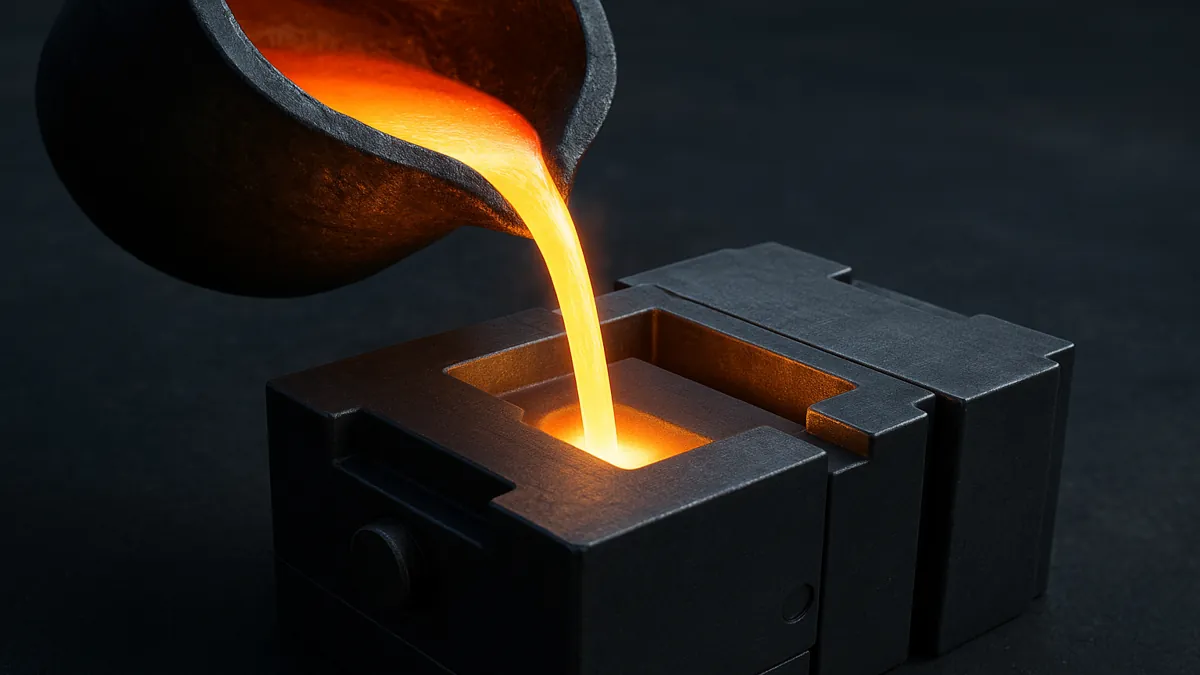
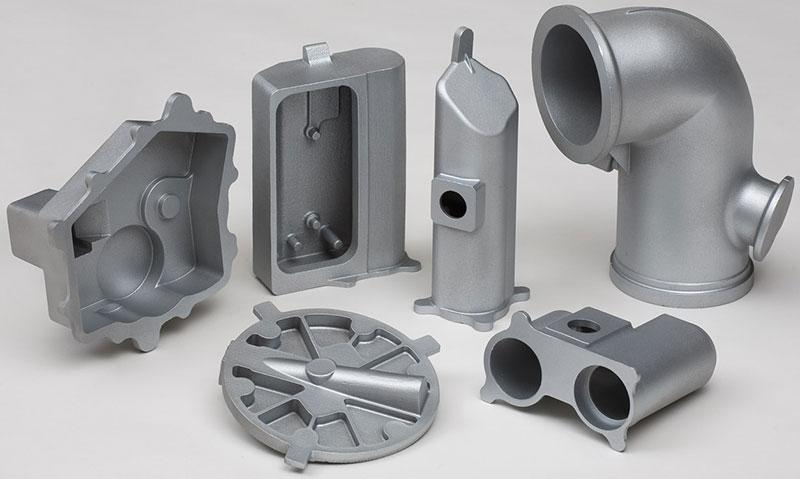
Low pressure casting is a controlled metal casting technique where molten metal is pushed upward into a mold using low, steady air pressure. Unlike gravity casting, where metal simply falls into the mold, this method ensures a smoother flow and reduces turbulence. The result is a denser, stronger, and more accurate final product.
This process is especially valued for producing high-integrity aluminum and magnesium components. Because the metal rises gently from the furnace into the mold, it avoids contamination and gas absorption. This controlled filling significantly improves mechanical properties and reduces common casting defects.
Many industries prefer low pressure casting because it balances cost, quality, and repeatability. It allows manufacturers to produce complex shapes that remain dimensionally stable. Engineers and product designers rely on it when they need performance-level parts with consistent results.
Low pressure casting also supports automation, making it ideal for medium to high production volumes. The automated pressure system minimizes human error and ensures uniformity across all castings. This makes the process both efficient and predictable for demanding industrial needs.
History of Low Pressure Casting

The development of low pressure casting began as manufacturers sought a cleaner, more reliable alternative to gravity-fed methods. Early industrial foundries struggled with porosity, inconsistent filling, and high defect rates. Engineers realized that controlling the pressure could significantly improve how molten metal entered the mold.
By the mid-20th century, the first functional low pressure casting systems were introduced in Europe. These early systems used basic pressure controls and were primarily used for simple aluminum parts. Their success quickly caught the attention of manufacturers looking for better structural components.
In the 1970s and 1980s, the growing automotive industry accelerated the adoption of low pressure casting. Car manufacturers needed lighter yet stronger parts to improve vehicle performance and fuel efficiency. Low pressure casting became essential for producing wheels, suspension components, and engine parts with high reliability.
Advancements in furnace sealing, ceramic tubes, and pressure control evolved the technique further. By the late 1990s, the method had become standardized in many industries due to its precision and repeatability. Today, it remains a key casting process used globally for both complex and large-scale components.
Modern low pressure casting continues to advance with digital monitoring, automated pouring systems, and real-time quality control. These innovations have made the process more stable, more accurate, and more competitive than ever before. As industries push for lighter materials and higher performance, the method’s relevance continues to grow.
Types of Low Pressure Casting

Manufacturers use several variations of low pressure casting depending on the material, part design, and production goals. Each type has strengths that fit different industries.
Low Pressure Sand Casting
Low pressure sand casting uses sand molds instead of permanent dies. It offers more flexibility for larger parts or parts with complicated geometries. Because sand molds are easier to customize, this type is ideal for medium-volume or large structural components.
Low Pressure Die Casting
Low pressure die casting uses permanent metal molds, which provide excellent surface quality and dimensional accuracy. The metal mold allows faster cooling, improving the strength and grain structure of the final product. This type is widely used for automotive wheels, engine components, and precision industrial parts.
Low Pressure Investment Casting
In this variation, ceramic shells from the investment casting process are used along with low pressure filling. It combines the detail accuracy of investment casting with the uniform filling of low pressure methods. This allows manufacturers to create highly complex shapes with superior mechanical properties.
What are the Low Pressure Casting Processes?

The low pressure casting process involves a series of controlled steps designed to ensure smooth filling and strong final products. Each stage plays an important role in consistency and quality.
Preparing the Mold
Manufacturers begin by designing and creating the mold, whether sand-based or made from permanent metal. The mold must be clean and preheated to prevent thermal shock. Preheating also helps the metal fill evenly and reduces defects.
Melting the Metal
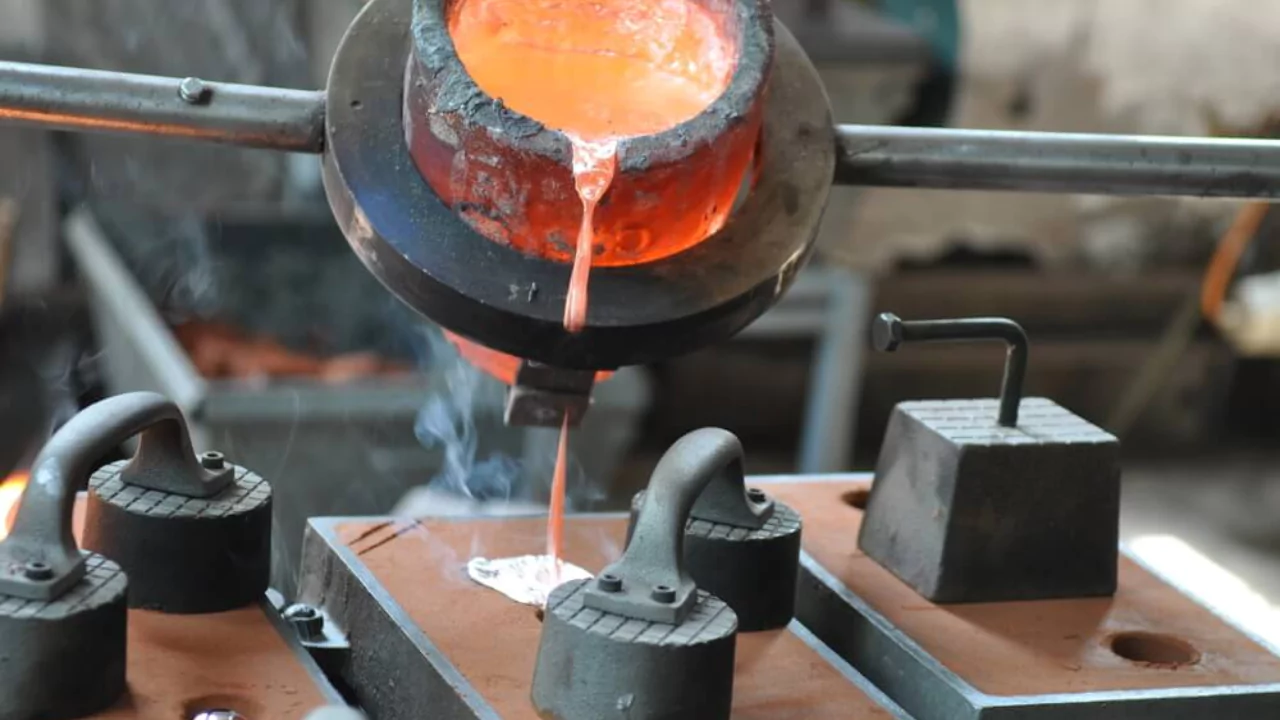
The selected metal, often aluminum or magnesium, is melted in a sealed furnace. The furnace is connected directly to the mold through a riser tube. Keeping the furnace sealed minimizes contamination and keeps the metal pure.
Applying Controlled Air Pressure
Low air pressure is applied to the top of the furnace, forcing molten metal upward through the riser tube. This pressure is usually very gentle to avoid turbulence. The controlled upward flow ensures a smooth fill and excellent density.
Filling the Mold
The metal rises steadily until the mold is completely filled. Because the metal fills from the bottom upward, air is pushed out easily, reducing porosity. This improves the strength and appearance of the final part.
냉각 및 응고
Once the mold is full, pressure is maintained until the metal begins to solidify. Keeping the pressure stable prevents shrinkage defects. The mold is then cooled at a controlled rate to achieve optimal grain structure.
Removing the Casting
After cooling, the mold is opened and the solidified casting is removed. Excess material such as gates or risers is trimmed off. The part then moves to finishing processes like machining or surface treatment.
Inspection and Testing
Manufacturers inspect the cast part to ensure it meets quality standards. Common tests include dimensional checks, strength evaluations, and internal defect detection. This step guarantees the reliability of each final product.
What are the Advantages of Low Pressure Casting?

Low pressure casting offers significant benefits that make it a preferred method for high-quality metal components. These advantages help businesses reduce costs, improve performance, and achieve consistent production results.
높은 차원 정확도
The smooth upward flow of metal ensures precise filling of the mold cavity. This leads to tighter tolerances and minimal distortion. Manufacturers can produce complex shapes that require little to no machining afterward.
Improved Mechanical Strength
Because the filling is slow and controlled, the metal solidifies with fewer internal defects. This creates a denser structure with improved strength. The final parts are more reliable for structural or load-bearing applications.
뛰어난 표면 마감
Low turbulence reduces surface roughness and imperfections. This results in smoother surfaces straight out of the mold. Many parts require less polishing or secondary finishing.
Reduced Porosity
The controlled filling process minimizes air entrapment. Fewer gas pockets mean stronger, more durable components. This makes low pressure casting ideal for safety-critical or high-stress parts.
Efficient Material Use
The method uses only the amount of metal needed to fill the mold. Less waste reduces production costs and improves sustainability. It also simplifies recycling of excess metal.
Better Production Consistency
Automation and pressure control make the process highly repeatable. Each batch has uniform quality with minimal variation. This is essential for industries demanding strict reliability.
Supports Complex Geometries
The gentle metal flow allows intricate mold shapes to be filled completely. Designers can create modern, lightweight, and detailed parts. This reduces the need for welding or assembly.
Applications of Low Pressure Casting

Low pressure casting is used across many industries due to its reliability and quality. Its versatility makes it suitable for both everyday products and advanced engineering components.
자동차 산업
Automotive manufacturers use low pressure casting for wheels, suspension parts, brake components, and engine housings. These parts require strength, durability, and precision. The method ensures they remain lightweight yet structurally sound.
Aerospace Components
Aerospace parts demand extreme reliability and low porosity. Low pressure casting provides the precision and density needed for turbine housings, brackets, and structural supports. It also supports the use of lightweight alloys that improve efficiency.
산업 기계
Machinery components such as pump housings, impellers, and gearbox cases benefit from the method’s stability. These parts must withstand continuous stress and friction. Low pressure casting ensures they perform consistently even in harsh environments.
Energy and Power Systems
Generators, wind turbines, and electrical housings often rely on cast aluminum components. Low pressure casting provides the structural integrity needed for heavy-duty use. The method also supports large, complex shapes common in the energy sector.
Consumer Products
High-end electronics, lighting equipment, and outdoor gear sometimes require strong yet sleek metal parts. Low pressure casting produces visually smooth, attractive components. Its accuracy helps manufacturers achieve refined product designs.
Marine and Transportation Equipment
Parts exposed to harsh, corrosive environments need excellent density and sealing. Many marine components like propeller parts, steering housings, and mountings use this process. The method ensures stability and long-term performance.
How to Test the Quality of Low Pressure Casting?

Quality testing ensures low pressure cast parts meet industry standards and customer requirements. Manufacturers use several key tests to confirm performance, durability, and internal soundness.
치수 검사
The part’s measurements are checked using tools like calipers, CMM machines, or digital scanners. This ensures the casting matches the exact specifications. Manufacturers look for accuracy and uniformity across batches.
X-Ray or CT Scanning
These non-destructive tests reveal internal porosity, shrinkage, or hidden defects. They provide a detailed view inside the casting without cutting it. This is essential for safety-critical parts.
Mechanical Strength Testing
Tensile, compression, and hardness tests measure the part’s durability. These tests confirm whether the material can withstand real-world stress. Strong mechanical properties indicate good solidification.
Surface Roughness Evaluation
Special instruments measure the smoothness of the outer surface. A high-quality low pressure casting should have a clean, even finish. This reduces the need for additional polishing.
Leak and Pressure Testing
Components like housings, cylinders, or pump parts undergo pressure checks to ensure they are airtight. This verifies structural integrity. No leaks mean the casting is fully sealed and dense.
Where to Find a Good Low Pressure Casting Company?
A reliable low pressure casting partner should have modern equipment, strong technical expertise, and a track record of producing consistent, high-quality parts. They should also offer design support, alloy guidance, and quality testing services to ensure the final product meets your expectations.
If you are seeking a reputable manufacturer, Fuchun Casting is an excellent option. With professional capabilities and advanced equipment, the company provides reliable low pressure casting services for global customers. You can learn more or contact them directly through their website at fuchuncasting.com.
요약
Low pressure casting is a powerful manufacturing process that offers precision, strength, and efficiency. Its controlled filling method reduces defects and creates high-quality metal parts suited for demanding industries. Whether you need automotive wheels, aerospace components, or industrial housings, this casting method delivers dependable results.
By understanding its types, processes, advantages, and applications, you can make informed decisions when sourcing cast components. Partnering with an experienced company such as Fuchun Casting ensures consistent quality and professional support. Low pressure casting continues to be a valuable solution for modern manufacturing needs.

 Korean
  English
  Spanish
  Portuguese
  French
  German
  Italian
  Arabic
  Russian
  Chinese